



Vgenomics is using AI to diagnose rare genetic diseases
Vgenomics offers RgenX, an AI-powered cloud platform that diagnoses rare genetic diseases and accelerates drug discovery by analysing patient symptoms and DNA.

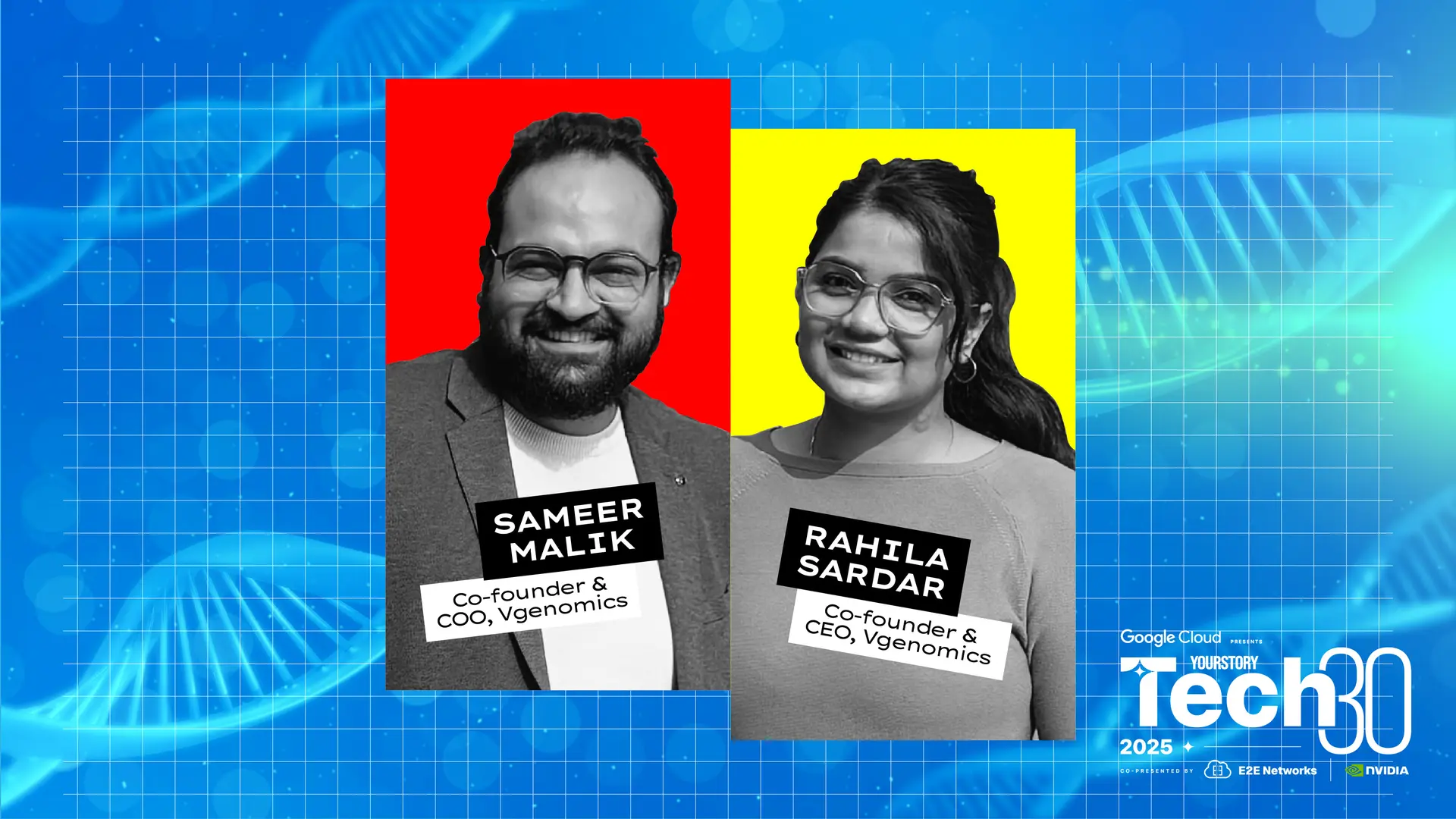

Dr Rahila Sardar founded biotech startup Vgenomics in 2022, after meeting a family whose child was diagnosed with a fatal genetic disease after years of searching for answers. After earning a PhD from the International Centre for Genetic Engineering and Biotechnology (ICGEB), an intergovernmental organisation for research, training and technology transfer and over a decade of analysing millions of genomes across tuberculosis, malaria, and cancer, she realised answers for genetic diagnosis exist in DNA.
"India lacks the multidisciplinary expertise to analyse DNA data," she explains. "There's no CDSCO-approved software for genetic testing in Indian labs. Current platforms are from Israel and the US, which means sensitive genetic data goes to foreign systems." Central Drugs Standard Control Organisation(CDSCO) is India’s national regulatory authority for pharmaceuticals, medical devices, and cosmetics.
To solve this, she co-founded Vgenomics with Dr Preeti Gupta Lal (CSO), a PhD in Immunology with oncology expertise, and Sameer Malik (COO), who handles business operations at Vgenomics to build faster, domestic genetic testing solutions.
Building a genetic disease diagnosis system
New Delhi-based Vgenomics has developed RgenX, an AI-powered cloud platform that diagnoses and helps develop treatments for rare genetic diseases through two integrated approaches: diagnostics and drug discovery.
The platform’s diagnostic process begins with AI models that extract patient symptoms from electronic health records. Large Language Models then interpret these symptoms to suggest possible diagnoses, recognising that similar symptoms can indicate different diseases.
The platform’s proprietary algorithms analyse DNA data across more than 50 medical databases, filtering through millions of data points to identify the precise genetic mutation responsible for the disease.
It then generates detailed clinical reports with actionable insights for physicians. Built on explainable AI and proven bioinformatics methods, the system ensures both transparency and scientific accuracy.
RgenX-DM delivers this diagnostic workflow as a complete solution, from symptom extraction to final reports. VUSkb, a self-updating database of 876,661 genetic variants across 17,068 genes, helps labs interpret unclear genetic variations. Its license-based pricing will start at Rs 40–45 lakhs per lab.
RgenX-LENS integrates DNA, RNA, and protein data to identify new drug targets and repurpose existing drugs, shortening the journey from research to treatment. The platform has identified drug targets and drug candidates for keratoconus, an eye disease, now in the pre-clinical stage, with a patent filed. Its findings were validated on patient samples at Dr Shroff's Charity Eye Hospital.
Rare Predict helps families identify potential genetic disorders early by analysing symptoms, development, and family history, then provides clear information on conditions, treatments, and next steps.
Clients and funding
Vgenomics' key advantage is its unified platform targeting both diagnostic and therapeutic markets. "Existing companies specialise in one domain or the other, but not both simultaneously," Sardar explains. Its closest competitors include Tempus AI from the United States and Helix.ai from the United Kingdom.
The platform targets genetic testing laboratories and hospital genomics departments for diagnostics, while serving clinical genetics professionals and pharmaceutical companies for therapeutics. The company currently has nine paying clients, including researchers and doctors from AIIMS, PGIMER, and Dr Shroff's Charity Eye Hospital.
Headquartered in New Delhi, Vgenomics raised Rs 2.9 crore in Pre-Seed funding from O2 Angels, Mumbai Angels, and angel investor Rohit Chanana. The company currently generates revenue through genetic data reports, research services for institutions, and pharmaceutical company partnerships.
Future plans
The product is under development and will launch around June 2026 after completing regulatory compliance and certifications, including ongoing CDSCO approval and HIPAA certification. The startup is simultaneously expanding into the Middle East and North Africa, regions with similar challenges in genetic disease diagnosis. For its therapeutic vertical, Vgenomics is also planning an FDA approval pathway for drug discoveries.
"Vgenomics aims to position itself as an India-based company developing international-quality products meeting global regulatory standards, an area where most Indian genomics companies fall short," Rahila says. "Our mission is to transform genetic disease diagnosis and treatment in India and globally, providing answers, hope, and actionable solutions to families who have been failed by existing healthcare systems."
Vgenomics is part of YourStory’s Tech30 cohort—a selection of India’s most promising startups of 2025—unveiled at TechSparks Bengaluru.

Edited by Affirunisa Kankudti