



Cloudflare outage hits internet traffic across ChatGPT, X and other platforms
According to Downdetector, the majority of the impact was on the server connection, followed by problems with website connectivity and DNS being down.

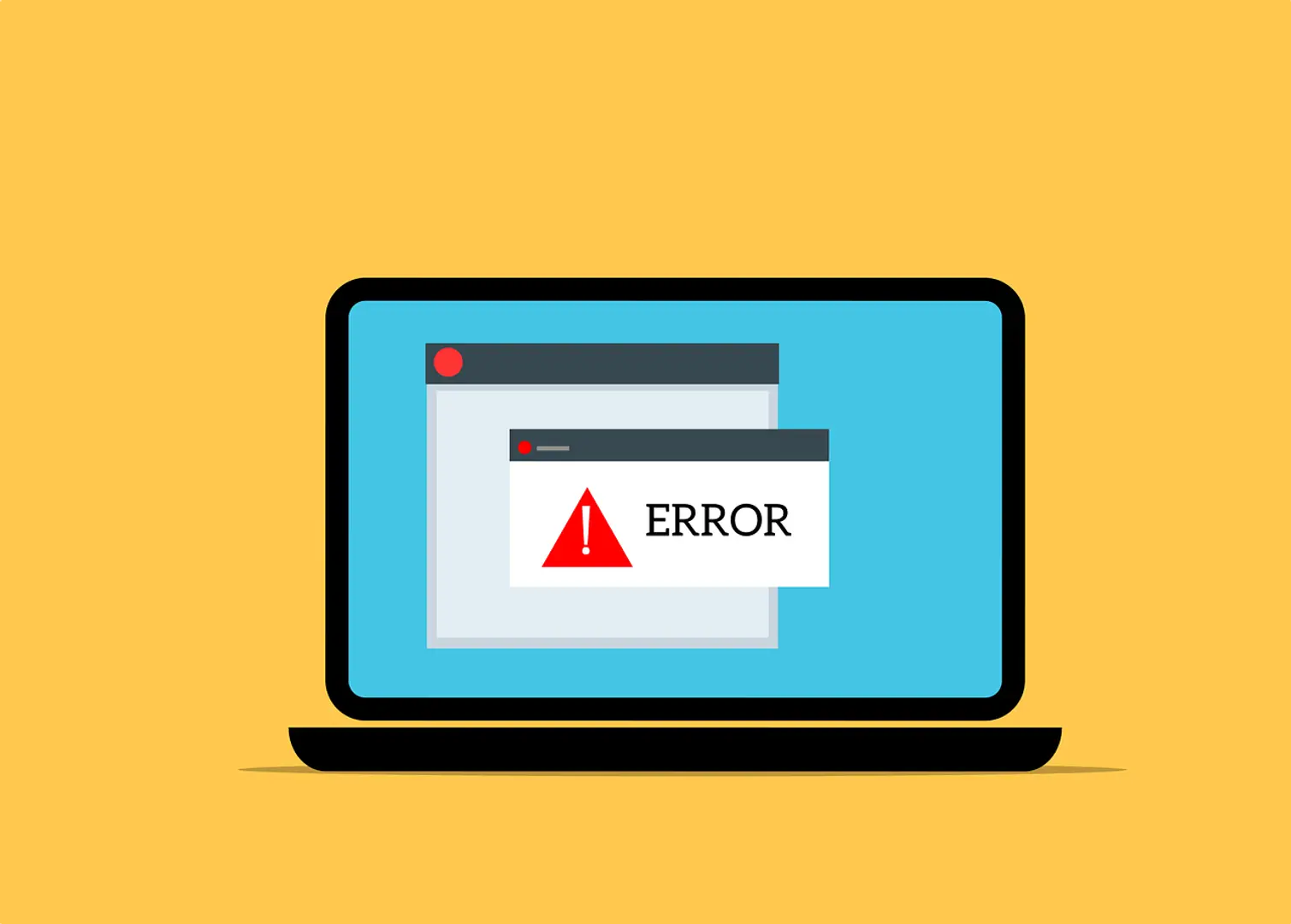

An outage of web infrastructure provider Cloudflare's services impacted internet traffic across several platforms, such as X and ChatGPT. The disruption, which started on Tuesday afternoon, saw several sites not being able to function.
Cloudflare is one of the key infrastructure providers for internet traffic and operates as a content delivery network and distributed DNS (domain name server). Cloudflare's services protect website owners from peak loads, comment spam attacks and DDoS (distributed denial of service) attacks. Fundamentally, it keeps internet traffic going whenever there is a spike or a cyber attack.
According to information available on Downdetector, the website that monitors internet outages, the majority of the impact was on the server connection, followed by problems with website connectivity and DNS being down.
Reports said that Cloudflare was aware of the issue but did not specify the cause of the outage.
“Cloudflare is experiencing an internal service degradation. Some services may be intermittently impacted. We are focused on restoring service. We will update as we are able to remediate. More updates to follow shortly,” the company said on its status page.
Several users flocked to the online platforms to complain about the outage. Cloudflare CTO Dane Knecht, in a message on X, said, “In short, a latent bug in a service underpinning our bot mitigation capability started to crash after a routine configuration change we made. That cascaded into a broad degradation to our network and other services.”
The outage of Cloudflare reflects a similar situation that arose when there was a large-scale outage on Amazon Web Services (AWS), which had a worldwide impact that lasted several hours.
Later, Cloudflare said, "We are seeing services recover, but customers may continue to observe higher-than-normal error rates as we continue remediation efforts. We are continuing to investigate this issue.”
Edited by Jyoti Narayan