



Quick-commerce shift, emerging businesses fuel Shiprocket’s next phase
Shifting ecommerce demand is pushing logistics players to support quick-commerce use cases across categories, according to CEO Saahil Goel.

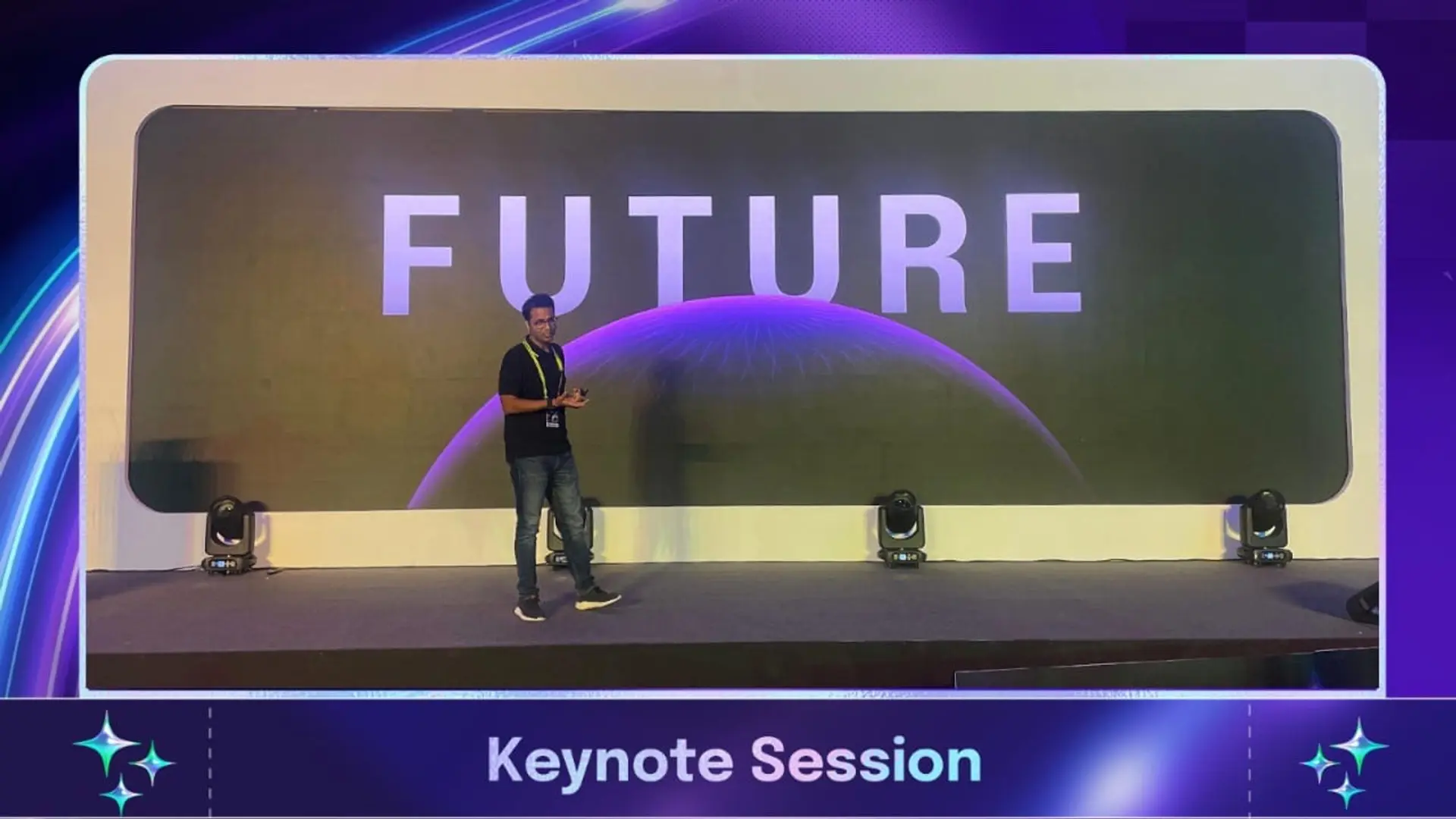

IPO-bound Shiprocket has been diversifying beyond its logistics core to turn into a full-stack ecommerce partner. The next step, according to MD and CEO Saahil Goel, lies in its emerging businesses and quick commerce.
"The reality is that a lot of logistics infrastructure was built with a certain kind of demand in mind. That demand hasn’t disappeared; it has simply evolved. And now, many of these players need to pivot and start powering quick-commerce in some form. That’s where the market is clearly moving right now," Goel tells YourStory, emphasising how quick commerce will become a larger reality that logistics players would have to manage.
The company's emerging businesses have been steadily occupying a larger share of its total revenue, clocking Rs 326 crore in FY25, contributing 20% of overall revenue. This segment includes cross-border shipping, checkout and omnichannel fulfilment services.
"The margins of our emerging businesses can be similar to, if not better than, our core business, in the long run. Right now, we’re deliberately investing in these segments because they’re scaling rapidly. But our real focus hasn’t changed—improving outcomes for our merchants, strengthening their margins, and helping them build healthier businesses. Financial metrics absolutely matter; they’re real, but for us, they’re an outcome of the value we create, not a standalone target," shared Goel on the sidelines of the Bengaluru edition of Shivir 2025.
These developments come as Shiprocket gears up for a Rs 2500 crore public market debut. According to sources, the company is expecting to file its UDRHP with the markets regulator before the end of the year.
Building on its emerging business stack, the company has also launched Shiprocket Copilot, Trends AI, and Radar. Trends AI, currently being offered free of charge, provides real-time insights on product performance and demand patterns.
It has also launched two features in the ad studio space, including a tool to access data on the performance of advertisements across brands, as well as a generative model that taps into templates to create advertisements for businesses.
The NCR-based player is also deepening its investments in omnichannel fulfilment, a segment Goel said has scaled meaningfully, as mid to large brands seek parity with quick-commerce delivery standards on their own websites. The company now manages warehousing, QC, returns and replenishment for several brands delivering across quick, rapid and same-day delivery timelines.

The Zomato-backed company is also running experiments with brands such as Bata to enable fulfilment from their offline stores instead of dark stores, particularly for high-SKU categories where duplicating inventory across multiple dark stores is not viable. However, the offering is still clearing up teething issues with operational challenges in store-led fulfilment, ranging from in-store footfall pressures to inaccurate inventory visibility.
Edited by Jyoti Narayan