


Rapido’s GMV up 111% annually, says Prosus
The Dutch investment company, in September, picked up an additional 5% stake in the ride-hailing company, increasing its shareholding in Rapido to 10.2%.

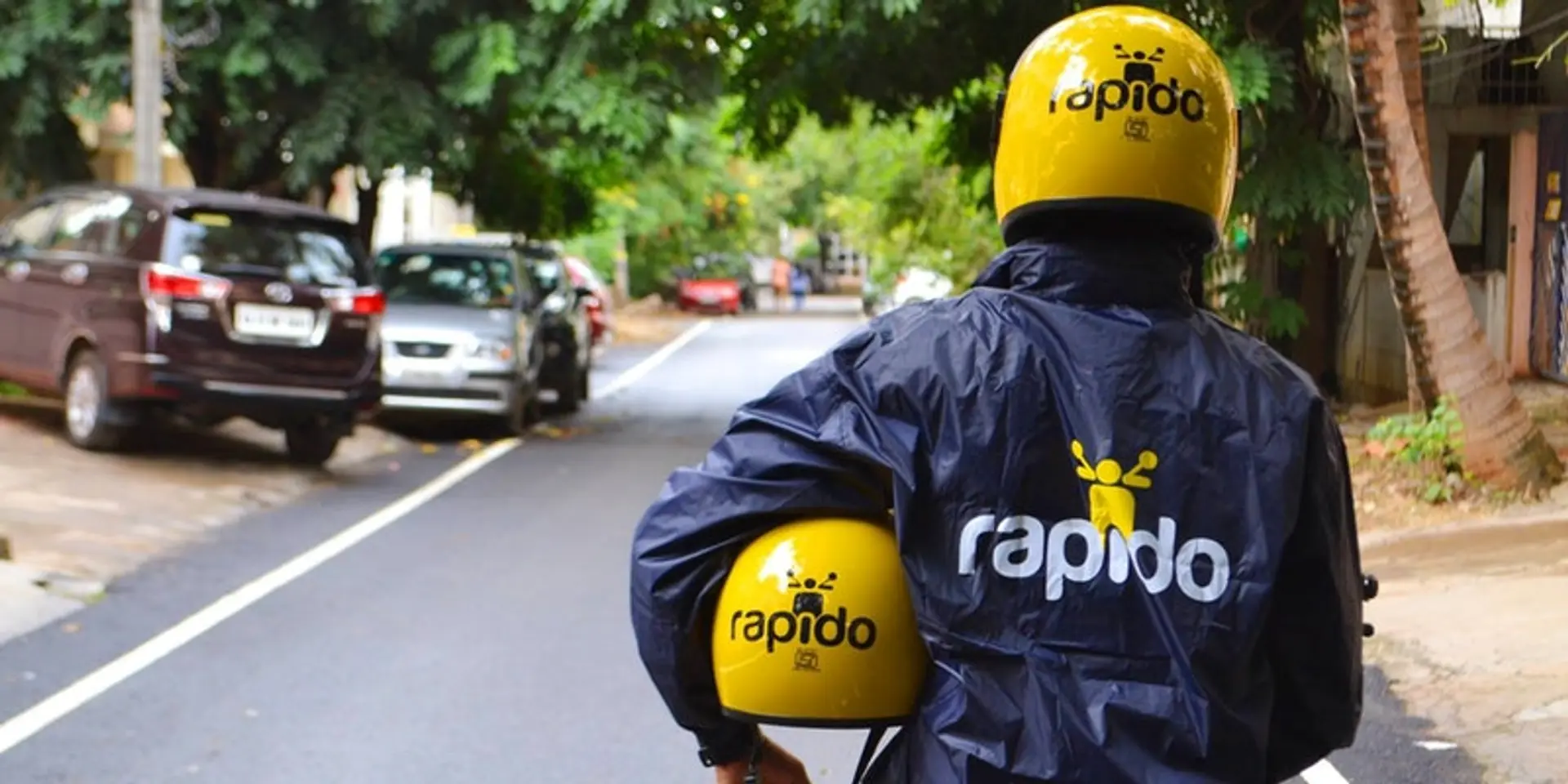

Ride-hailing firm Rapido has seen its gross merchandise value (GMV) grow 111% on an annual basis, as of September 2025, according to its investor Prosus.
GMV is the total value of all goods sold through an online marketplace over a specific period of time before any deductions for fees, discounts, or returns. It is commonly used to measure a business’s overall sales volume, growth, and performance.
In an investor presentation discussing Prosus' half-year results, the Dutch investment company noted that Rapido is “the fastest growing scaled consumer tech company in India.”
According to the presentation, Rapido's annualised GMV as of March 2025 was 133%.
During the six months ended September, Prosus doubled its shareholding in Rapido, picking up an additional 5% stake that was previously held by Swiggy—another one of its portfolio companies.

Swiggy, which invested in Rapido in 2022, had held a 12% stake in the company with its CEO, Sriharsha Majety, sitting on the board of the cab-hailing platform. However, this year, Rapido started its food delivery business, Ownly, which sparked concerns at Swiggy about a potential conflict of interest in the future.
During the company’s first quarter post-conference call, Majety noted that both parties had tried to explore a potential partnership in food delivery, which did not pan out.
Following this, in September, Swiggy’s board approved a stake sale in Rapido to Prosus and WestBridge for Rs 2,399 crore. This increased Prosus’ stake in the company to about 10.2% and 9.6% on a fully diluted basis.
Additionally, in a recent fireside chat at TechSparks 2025, Rapido Co-founder and CEO, Aravind Sanka, said the firm facilitates five million rides every day. The firm is also looking to invest in new categories, such as airport rides, all the while mapping out deeper penetration in Tier II, III, and IV markets.
Edited by Suman Singh