



TechSparks 2025: Binance’s Kushal Manupati on India’s Web3 rise beyond the metros
India’s Web3 momentum is shifting to Tier II and Tier III cities. At TechSparks 2025, Binance’s Kushal Manupati explored the inflection points, community energy, and compliance driving this rise.

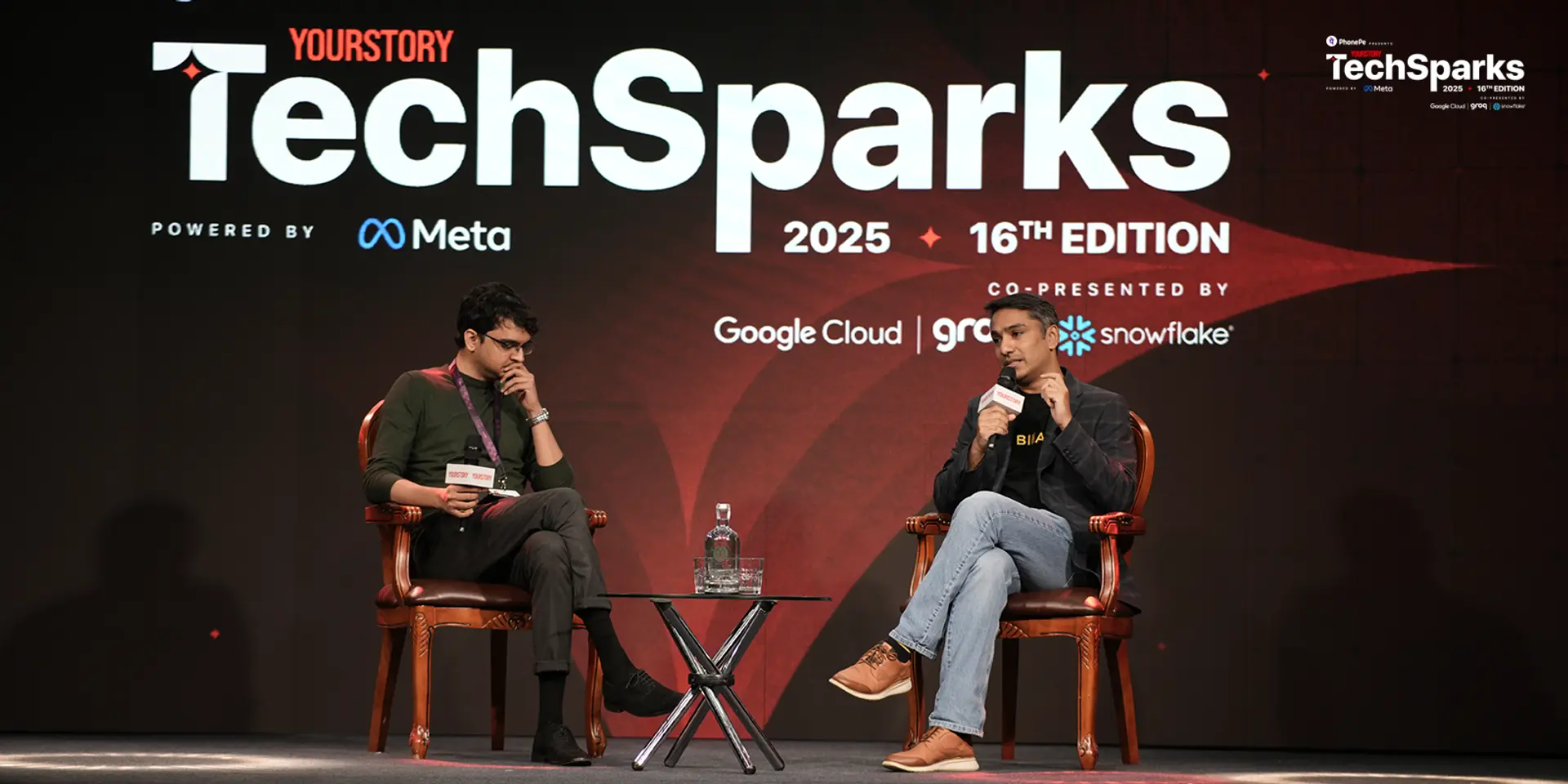

“There are more Web3 developers coming out of Madurai and Baroda today than many metros,” observed Kushal Manupati, Growth and Operations Lead, South Asia at Binance, at TechSparks 2025. It was a remark that challenged long-held assumptions about where India’s next big wave of digital innovation is taking shape.
In a fireside chat with Rishabh Mansur, Head - Content Categories at YourStory, Manupati unpacked the shifts in behaviour, infrastructure, community-building, and regulation that are quietly accelerating India’s Web3 future.
India’s digital leapfrogs have set the stage for Web3
Manupati began by reflecting on India’s long history of leapfrogging technologies. He pointed to the way the country skipped landlines for mobile phones, and how millions bypassed traditional internet banking to embrace mobile payments directly. “My mom and dad never used internet banking, but now they’re on all kinds of mobile payment solutions,” he said. According to him, these behavioural shifts have primed Indians for the next phase of digital innovation.
Today, India has more than a 1,000 Web3 developers, contributing over 15% of global Web3 talent, an advantage he described as foundational to the ecosystem’s growth.
Web3 energy is rising fastest outside the metros
A major signal for Binance came through the Blockchain Yatra, a series of events designed not for the big metros but for emerging cities. “We didn’t start in Bangalore or Mumbai. We actually started in Vishakhapatnam. The next one was Ahmedabad,” he said. What stood out in these places was the sophistication and awareness of the participants – students, first-time developers, and even retail users, who engaged deeply with the technology.
He emphasized that growth is now happening faster in non metros than in traditional tech hubs, and noted that this shift was something even Binance hadn’t anticipated. “Tier II and Tier III cities are the places where the magic is happening,” he said.
Real use cases are emerging but the awareness gap remains
Despite blockchain making inroads into governance and civic infrastructure, from land records and FIRs to DigiYatra, general awareness remains low. Manupati said education remains the single largest gap. While Binance Academy offers structured learning, he believes the real change comes when communities take ownership of learning.
“Unfortunately, we as a company cannot do everything. What we depend on is building communities,” he said. Binance works closely with universities, trader collectives, developer groups, and student communities to create local ecosystems where people can learn, experiment, and collaborate. “Yes, Binance Academy is there, but the real change comes when communities form and sustain themselves,” he added.
Compliance and credibility are becoming key to Web3’s growth
Regulation and trust naturally entered the discussion. With concerns rising around safety and compliance, Manupati emphasized that Binance treats compliance as central to its operations. “Our compliance team is 1,200-plus people, which is almost a quarter of the company,” he said. Binance today has regulatory registrations or access in 22 jurisdictions globally and is registered with India’s FIU.
Beyond compliance infrastructure, Binance has been working closely with Indian law enforcement, something Manupati said has built trust with regulators. “We’re not only reacting after incidents. We proactively conduct trainings with law enforcement agencies across states and even at the central level,” he said. He added that this hands-on involvement has helped Binance secure a meaningful seat at the table in India’s policy conversations.
The ‘age of integration’ is here
When asked where founders should look for opportunities, Manupati said Web3’s relevance spans sectors. “Web3 is basically a technology anybody can use. Builders are not waiting to ask permission. They know the problems to solve, and they’re going for it,” he said.
He believes India is moving from an age of adoption to an age of integration, where builders are applying blockchain to real-world problems such as tokenisation, governance, and financial infrastructure.
Importantly, he noted that many founders he meets in smaller towns are not just solving for India. “Local builders are solving problems here, yes, but they’re also exporting solutions globally,” he said, referencing dozens of developers he has met who are building world-class tools from Tier II and Tier III cities.
To newcomers daunted by Web3’s complexity, Manupati recommended starting with research. “Do as much research as possible,” he said, urging learners to rely on credible sources and to exercise caution while connecting with online communities. “For a good and safe Telegram community, there might be many more unsafe ones. Research before joining anything – content, communities, or investing,” he warned.
Community-led building gives founders an edge
Manupati closed the conversation by highlighting what sets Web3 founders apart: the immediacy of community feedback. “You almost get real-time feedback. Community is very vocal when things are not working,” he said. For early-stage founders, this ability to validate ideas quickly and iterate openly can be transformative.
The session, grounded in both optimism and practicality, highlighted how India’s Web3 journey is unfolding across smaller cities, student communities, and emerging developer hubs that are moving faster than expected. The movement is distributed, the builders are younger, and the momentum is accelerating in ways few would have predicted even a few years ago.
