



Air cargo volumes are at an all-time high, but most freight airlines are not profitable
Blue Dart, the country’s oldest express freight operator and the domestic arm of DHL’s global network, posted a Rs 71-crore profit in FY25, one of the few green spots in an industry that collectively lost more than Rs 52,000 crore last year.

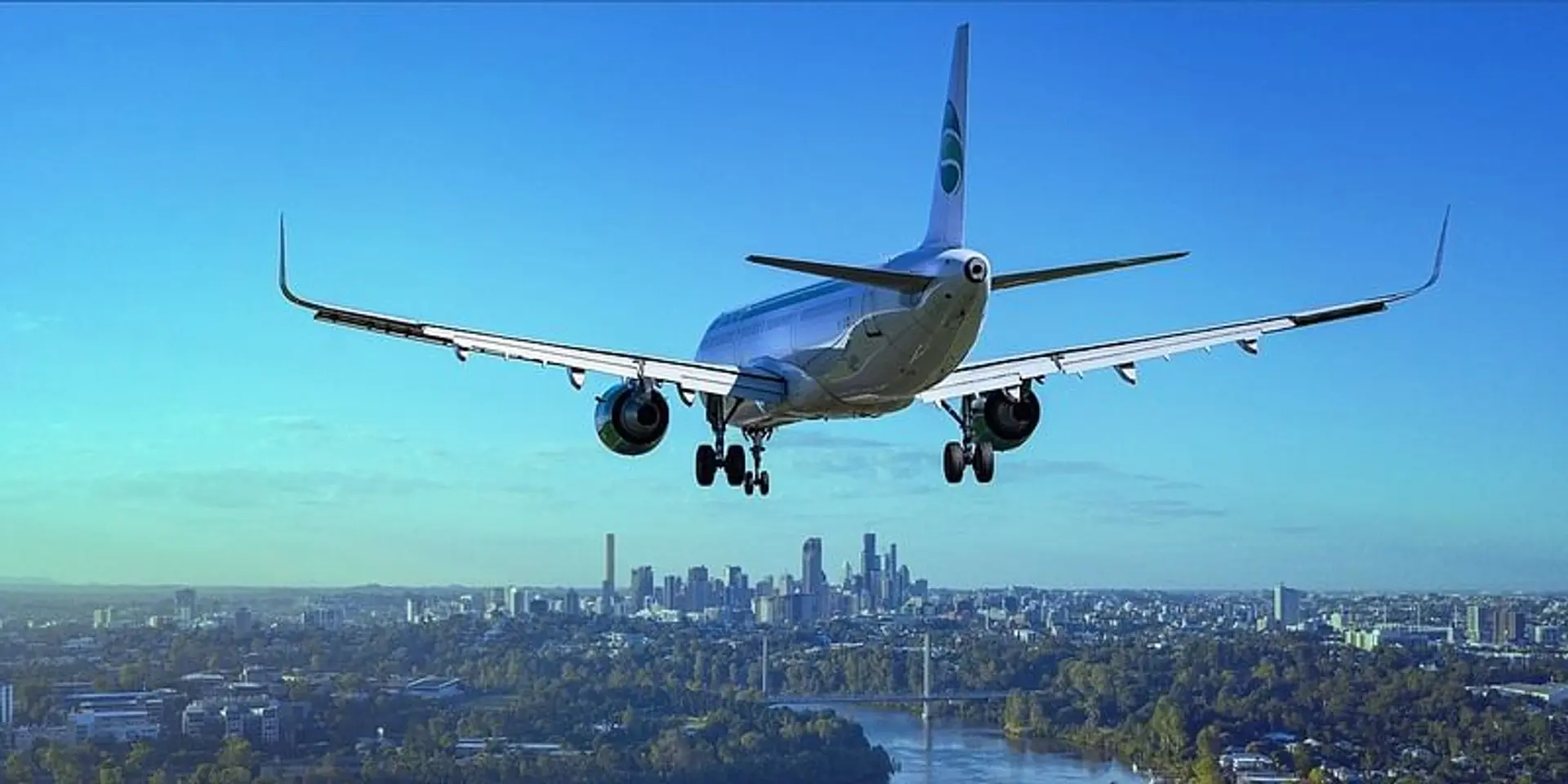

Even as India flies record amounts of freight, most cargo airlines can’t turn a profit.
Latest government data shows that Blue Dart is the lone gainer in a market where rivals are drowning in losses, revealing a stark divide inside one of aviation’s fastest-growing businesses.
Blue Dart, the country’s oldest express freight operator and the domestic arm of DHL’s global network, posted a profit of Rs 71 crore in FY25, making it one of the few green spots in an industry that collectively lost more than Rs 52,000 crore last year.
The rest of India’s cargo fleet presented a gloomy picture.
Quikjet Cargo reported a Rs 134-crore loss. Fly91, a new regional hybrid carrier that depends on cargo contracts to offset passenger traffic on thin routes, ended the year with a Rs 676-crore deficit. FlyBig, which also relies heavily on belly freight, did not submit its FY25 financials.
The contrast is striking because cargo was expected to become aviation’s stabiliser. Ecommerce volumes continue to surge, pharmaceutical exports are rising, and manufacturers, from electronics assemblers to auto suppliers, are sending more shipments by air.
Yet these tailwinds have translated into profits for only one operator, widening the structural split within India’s cargo market: a premium express tier at the top and a struggling underclass of commodity freight carriers below.
Blue Dart’s resilience stems from the kind of cargo it flies. Operating as DHL’s India air network, the airline handles time-critical, high-value freight, overnight parcels, medical consignments, temperature-sensitive pharma, banking documents, and electronics. These categories command premium pricing and guarantee predictable loads, insulating the carrier from swings in freight rates.
Smaller freighter operators, by contrast, rely on general freight such as industrial parts, apparel, consumer goods, and automotive components, segments that have softened sharply since passenger airlines restored belly capacity to pre-pandemic levels.
Belly capacity refers to the cargo space in the lower deck of a passenger aircraft, which can be used to transport goods alongside passenger luggage. With passenger airlines restoring and, some even expanding, belly capacity, there is now more space for cargo, leading to lower shipping rates. This reduces dependence on expensive dedicated cargo flights.
Without a network of anchor customers, these cargo carriers face empty-leg losses, uneven utilisation, and volatile yields that erode margins even in strong demand cycles.
Rising costs have also sharpened the divide. Leasing a converted freighter has become more expensive. Fuel prices remain high, and spare-parts shortages have increased maintenance downtime. For carriers without scale or a steady stream of high-yield shipments, a single weak month can turn an entire route loss-making.
India handled a record high of around 3.7 million tonnes of air cargo in FY2025, a 10% increase from the previous fiscal year.
India’s cargo growth is unequally distributed. The skies may be full, but most freighter airlines are not gaining from the boom. And with demand starting to soften after two years of runaway growth, the widening gap within the cargo segment is becoming harder for policy makers and investors to ignore.
For a country pushing to build a world-class manufacturing and logistics backbone, the numbers pose an uncomfortable question: can India support a competitive freighter ecosystem if only the premium segment of the market is consistently profitable?
Edited by Swetha Kannan