



Sahaspur to store shelves: Farmer turns founder with namkeen microenterprise
Powered by a CM Yuva Yojana loan and sheer persistence, Gargi Verma builds a 12‑month demand business in Uttar Pradesh

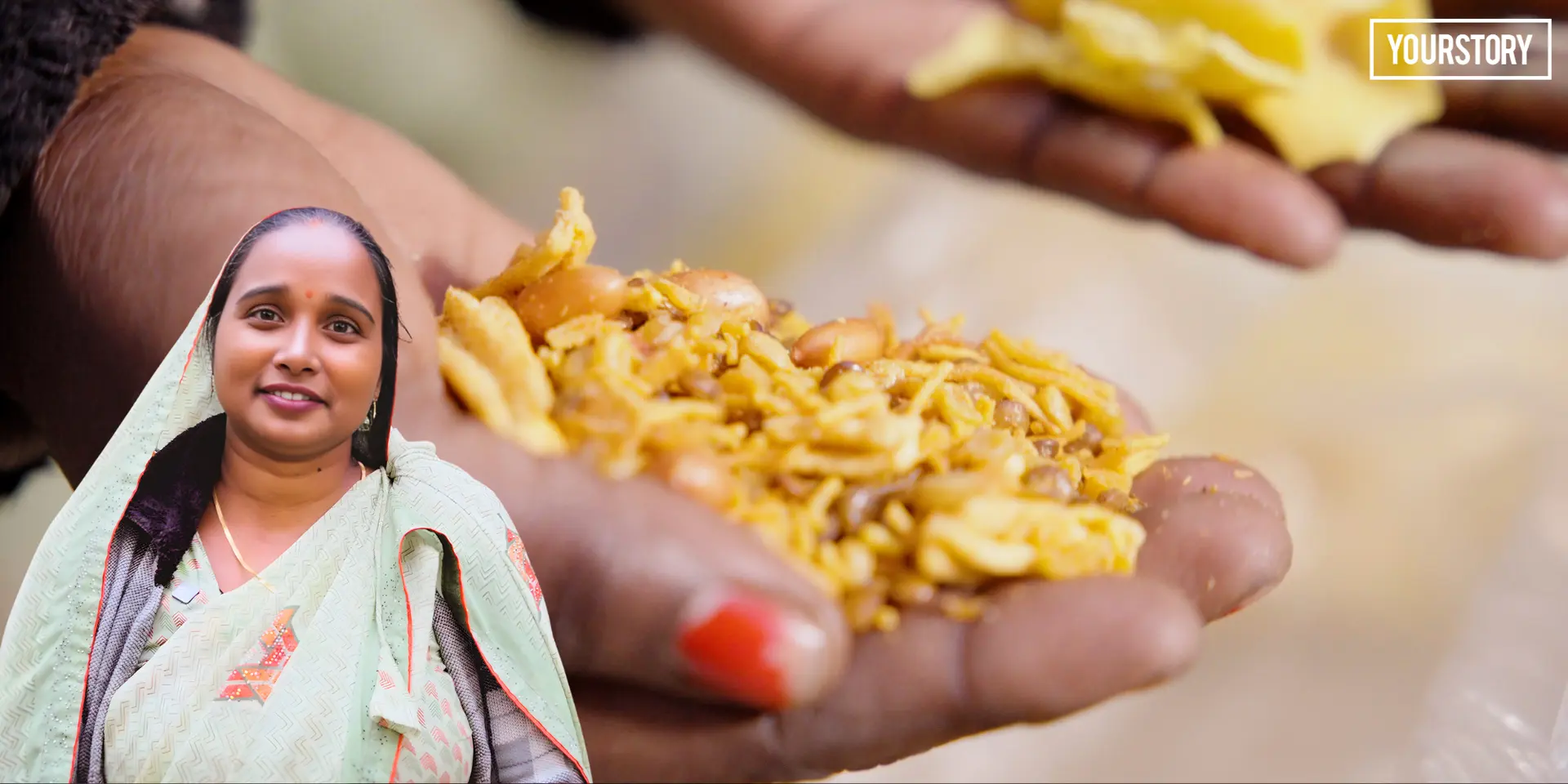

Gargi Verma, a farmer from Sahaspur in Pratapgarh, Uttar Pradesh, has turned himself into an entrepreneur by building a homegrown namkeen venture, which now supplies local shops across nearby gram panchayats.
But her journey began with a rejection at the bank. Thanks to her persistence, proper paperwork, and phone calls, and finally, a sanctioned loan under the Chief Minister’s Yuva Udyami Vikas Abhiyan (CM YUVA) scheme helped set the enterprise in motion.
A slow start followed by a breakthrough
Verma's first application for credit was rejected despite completing the online process and routing her file through the district office in Pratapgarh. She stayed the course, met senior officials at the district level, and returned to the branch for a review.
A supportive manager guided her through each document, coordinated much of the follow up on WhatsApp, and cleared the loan. She then travelled to Kanpur with her husband to select machinery aligned to her needs.
The core machine cost about Rs 1.20 lakh, and total outlay including travel and incidental expenses came to roughly Rs 1.25 lakh, she says.
Building a steady business
Verma chose namkeen because there is sustained demand across the year. Weddings, guests at home, and children wanting small packs all add up to a reliable baseline.
She balances production with selective handwork, noting that not every task needs a machine. Field marketing is central to her approach, she says, with regular visits to shops across multiple villages. Weekly orders now range between 8 kg and 10 kg, driven by repeat buyers.
Alongside the enterprise, she continues a two-hour daily stint with a local NGO on child rights for six to fourteen year olds, which provides additional income stability.
Day to day business
Verma learned the craft in her maternal home, where the neighbourhood had a strong appetite for savoury snacks. Translating that experience to her current market, she focuses on consistent taste, small batches, and dependable delivery.
For women considering a similar path, she recommends starting with clear documentation, obtaining quotations from multiple vendors, and working closely with the bank to reduce back-and-forth travel.
She adds that WhatsApp coordination can be efficient for sharing invoices and clarifications.
The scheme effect and financial discipline
The Chief Minister’s Yuva Udyami Vikas Abhiyan (CM YUVA) scheme allows Verma to repay her loan gradually, with relief on interest for an initial period.
She estimates that once she has fully repaid the loan, the business could leave her with approximately Rs 70,000 in net benefit. The predictability of installments, she says, removes the fear of sudden collection visits and lets her reinvest steadily in raw materials and packaging.
What this means for women in rural UP
Verma credits government schemes and the self-help group ecosystem for making formal finance less intimidating, but emphasises that self-belief is non-negotiable. She positions herself as founder and operator, proving that a modest machine, steady orders and disciplined repayments can create livelihood for more than one household.
For aspiring entrepreneurs, her checklist is simple.
- Pick a product with year-round demand, such as namkeen, rather than a highly seasonal line.
- Use quotations and trial runs to right-size machinery, keep some handwork to control quality and costs.
- Invest time in field marketing, stay visible in nearby markets, and leverage messaging apps for documentation.
Stories like Verma's show how rural founders can translate small loans into resilient businesses. As YourStory founder and CEO Shradha Sharma has often noted, constraints can spark creativity, and the everyday entrepreneur can turn that spark into a sustainable enterprise.
What is CM YUVA Scheme?
Under the leadership of Hon’ble Chief Minister of Uttar Pradesh, Yogi Adityanath Ji, the state government aims to transform youth from job seekers into job creators.
To achieve this vision, the Directorate of Industries and Enterprise Promotion, under the Department of Micro, Small & Medium Enterprises and Export Promotion, is implementing the ‘Mukhyamantri Yuva Udyami Vikas Abhiyan’ (CM YUVA) Yojana.
Under this scheme, young entrepreneurs are provided with up to Rs 5 lakh in 100% interest-free and collateral-free loans to start their industrial or service-based ventures. In addition, beneficiaries also receive a 10% margin money subsidy on the project cost.
CM YUVA is not just a financial assistance scheme; it also provides mentorship, guidance, market access, and essential resources to help youth become self-reliant entrepreneurs and generate employment opportunities for others.
Click here to know more about the CM YUVA Scheme.