



Xerox, Velcro, Band-Aid: When a Brand Becomes the Product
Some companies became so dominant that their brand names replaced the product itself, from Xerox and Velcro to Jeep and Band-Aid.

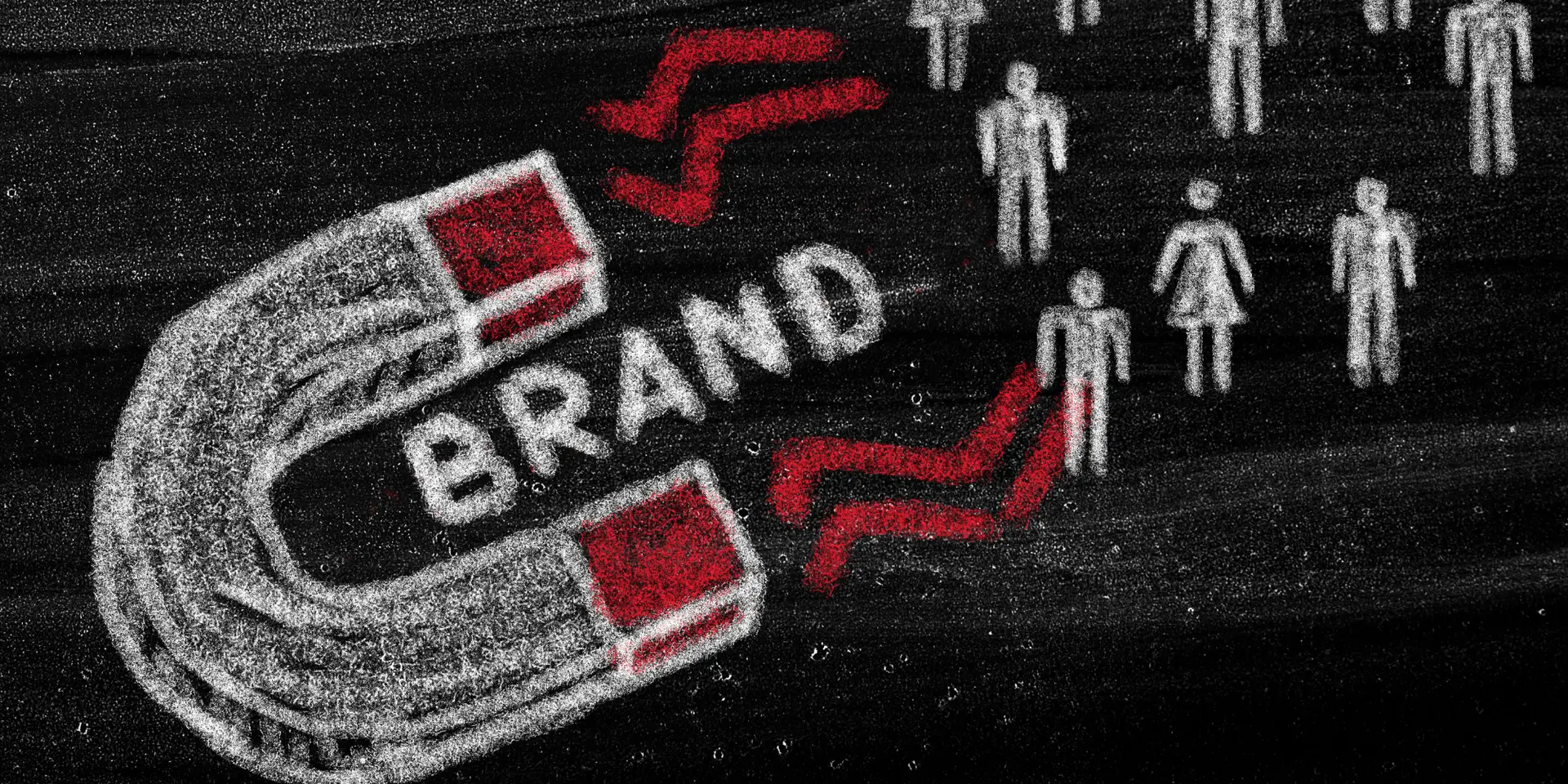

In everyday conversation, people often say they will “xerox” a document, fasten something with “velcro,” or apply a “band-aid” to a cut. These words are used casually, without much thought about their origins. Yet each of them began as a brand name, created by a company that not only entered a market early but came to define it so completely that its name became the product itself.
This phenomenon, known in legal and branding circles as genericide, reflects both extraordinary commercial success and a unique cultural moment. The following companies illustrate how a brand can cross the line from trademark to common language.
Xerox and the act of copying
Few brands are as closely associated with a single action as Xerox. Founded in the mid-20th century, Xerox revolutionised office work by introducing reliable photocopying machines at a time when alternatives were limited and cumbersome.
As photocopiers spread across offices, schools, and government departments, the brand name followed. “To xerox” became shorthand for making a copy, regardless of the machine used. This linguistic dominance was so strong that Xerox later ran advertising campaigns urging people to use the brand name correctly, fearing erosion of trademark rights. Even today, in many parts of the world, “xerox” remains the default word for photocopying.
Velcro and everyday fastening
The story of Velcro shows how innovation can shape language. Invented in the 1940s, the hook-and-loop fastening system offered a simple, reusable alternative to buttons and zippers. Its applications ranged from clothing and footwear to aerospace and medical devices.
Because there was no widely known technical term for the mechanism, Velcro quickly became the name people used for the product itself. Over time, the word entered dictionaries as a generic descriptor. The company has repeatedly emphasised that Velcro is a brand, not a noun, but public usage has proven difficult to reverse.
Jeep and the image of rugged mobility
Unlike some other brands on this list, Jeep became generic not through a specific function but through a powerful image. Originating as a military vehicle during the Second World War, the Jeep became synonymous with toughness, off-road capability, and all-terrain travel.
As civilian versions entered the market, the name began to describe an entire category of vehicles. In many regions, any boxy, high-clearance off-road vehicle is casually referred to as a jeep, regardless of manufacturer. The brand’s early association with utility and endurance helped it define a segment that did not previously have a clear identity.
Band-Aid and everyday care
In the realm of healthcare and first aid, Band-Aid stands out as a rare example of a medical product becoming a household word. Introduced in the early 20th century, the adhesive bandage was a simple but transformative innovation for treating minor cuts and wounds at home.
Over decades, “band-aid” became a generic term for any small adhesive dressing. The phrase even expanded metaphorically, often used to describe a temporary or superficial solution to a larger problem. This linguistic shift highlights how deeply embedded the product became in daily life.
Jacuzzi and the luxury of relaxation
The case of Jacuzzi demonstrates how a brand can become synonymous with an experience. Originally linked to hydrotherapy and medical use, Jacuzzi tubs later became symbols of leisure and luxury.
As whirlpool baths grew popular in hotels, gyms, and private homes, the brand name came to represent the entire category. Today, many people refer to any hot tub as a jacuzzi, even when it is produced by a different manufacturer. The association with comfort and indulgence helped the name transcend its original commercial boundaries.
Success and its consequences
While becoming a generic term reflects cultural impact, it also creates legal and commercial challenges. Trademark law depends on distinctiveness. When a brand name becomes the everyday word for a product, that distinctiveness can weaken. Several companies on this list have invested heavily in campaigns reminding consumers that their names are brands, not product categories.
At the same time, generic use signals a deeper truth. These companies did more than sell products. They shaped habits, expectations, and language itself.
In an increasingly crowded marketplace, achieving such dominance has become rarer. Yet these examples show that when a brand defines a category at the right moment, it can move beyond commerce and enter the vocabulary of everyday life.