



From ownership to access: How subscription models are redefining India’s mobility future
Formerly restricted to movies, music and software, subscriptions are now redefining how Indians experience cars—especially electric vehicles.

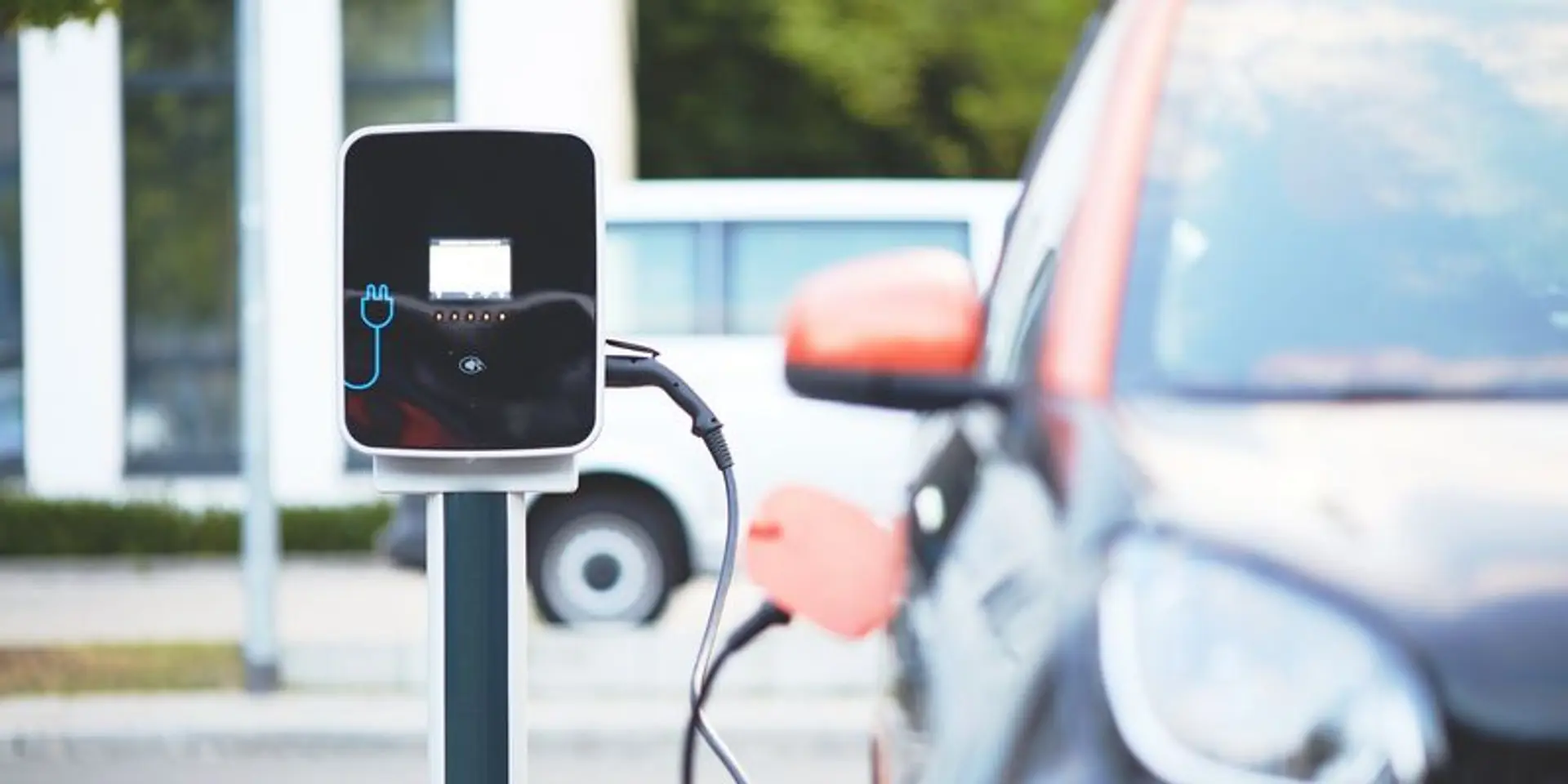

During several decades, the purchase of a vehicle was not only a matter of finances but also a matter of emotions in India. Having a car in the driveway was a sign of prosperity, stability, liberty and the beginning of a new life. The movement of the reality of mobility in India is changing, silently, steadily, and powerfully.
Today, the urban consumer is leaving behind one of the oldest aspirations of the country, traditional car ownership, and instead, there is a new model that is taking shape: flexible, access-based mobility. Formerly restricted to movies, music and software, subscriptions are now redefining how Indians experience cars, more so electric vehicles (EVs). It is not all speculative change, but rather a change which has its foundation in live user behaviour, economic logic and fast-moving mobility ecosystems.
Why ownership is losing appeal
The model, which perfectly worked two decades ago, finds it difficult to maintain its position now. The economics and the feelings of ownership are out of sync with contemporary urban living.
High upfront costs
Currently, the prices of premium cars are Rs 15-30 lakh, which is equivalent to Rs 25,000-45,000 in EMIs over 5-7 years.
Add the repetitive costs -insurance, maintenance, increased interest rates, and rapid depreciation and owning a car becomes a financial handcuff and not a hand-free experience.
Changing urban lifestyles
The Indian workforce is more mobile than before. The need to move around has been redefined by frequent changes of jobs, the hybrid working nature that has minimised commute time, increased cost of living, and minimal growth in salary.
To a lot of members of the salaried group, the argument of car ownership and car ownership in particular no longer makes sense according to their present lives.
Depreciation anxiety
CRISIL Auto Research noted that the value of cars would be reduced by 40-50% in the first four years.
EVs introduce a new element of uncertainty; new models, new chemistry, and new technology cycles make buyers afraid to buy a product that might go out of date soon. Consumers who are conscious of their finances are becoming more willing to see their tax-paid capital earn interest for them, rather than go down the drain. These changes - economic, emotional, and behavioural are guiding the consumers in making smarter mobility decisions.
The subscription model: Travel, mobility without the luggage
Subscription eliminates the burden of ownership. No down payments. No EMIs. No long-term commitment. No future anxiety.
An average mobility subscription includes:
- The vehicle
- Insurance
- Maintenance and servicing
- Roadside assistance
- Exit or upgrade
The result?
Minus the ownership sacrifice, premium mobility.
Globally, there is an increased shift towards subscribing to mobility. According to Deloitte, close to 40% of millennials like receiving rather than owning high-priced items such as cars, houses, and technology. India is entering this stage rapidly.
Why subscription fits India's EV moment
EVs amplify the multifaceted nature of conventional ownership, as subscriptions are not just appealing, but they make sense.
Higher upfront cost
EVs are 20-30% more expensive than comparable ICE models. The use of subscription services eradicates this obstacle, and EVs can be used by first-time users.
Technology evolves fast
Battery range, charging infrastructure, and onboard tech are all advancing every 12 -18 months.
The consumers are unwilling to purchase an item that may become obsolete within 24 months to 36 months.
This is resolved by subscription as it allows the user to upgrade with the change in technology.
Resale value uncertainty
The resale market of EVs in India is underdeveloped. Buyers are afraid of the value of their EV in 3-4 years. Depreciation risk is also completely removed in subscription; the user just returns or switches.
Rising EV curiosity
Urban India desires to try, experiment and experience first. The best transition would be short and medium-term access between interest and adoption.
This is the reason EV subscriptions are increasing at a higher rate than other car subscriptions, especially among the salaried workers, gig workers, and small businesses.
The mobility leapfrog moment of India
India is known to skip some steps of legacy:
- Landlines → Mobiles
- DVDs → Streaming
- Desktops → Mobile
Mobility appears to be next. NITI Aayog estimates 10 million EVs to be sold every year by 2030.
The largest barrier? Upfront cost. The subscription models reduce this friction by providing a high-convenience, low-risk point of entry into EV mobility.
India can also perhaps forgo the mass-ownership phase and jump straight to EV-first, subscription-based mobility ecosystems, particularly in metros and Tier I cities.
Access is the new aspiration
The Chinese Indians are defining progress in a new way. The measure of success has ceased to be in possessions but in freedom.
Today’s consumer values:
- Flexibility
- Convenience
- Wiser financial judgements.
- Life experiences rather than material possessions.
This mentality fits best with subscription. It provides high-quality mobility with no long-term commitments, inspires EV adoption with no dread of obsolescence, and grants access to fleet access at scale and capital-efficiency to businesses. This is not a simple innovation of products; it is a behavioural innovation.
The road ahead
India is in the infancy of an access-based mobility revolution.
With the maturation stage of EV technology, the charging networks will continue to grow, fintech will become widespread and user behaviour will continue to change towards flexibility, with subscription models becoming a common way of operation.
This is not just an economic shift, but also a cultural shift. Whether it is the global behaviour, and the patterns of leapfrog of India, that will be called upon to act as predictors of subscriptions as the default choice to a generation that prefers freedom to possession, nimbleness to anchors, and smart mobility to old-fashioned paradigms.
(Bharat Bala is the Founder and Chief Electric Officer at AMP.)
Edited by Jyoti Narayan