



Breaking the Habit of Being Yourself: Why Change Starts in the Mind
Drawing from neuroscience, Dr Joe Dispenza explains how repetitive thoughts, habits, and emotions keep people locked into the same life patterns, even when they desire change.

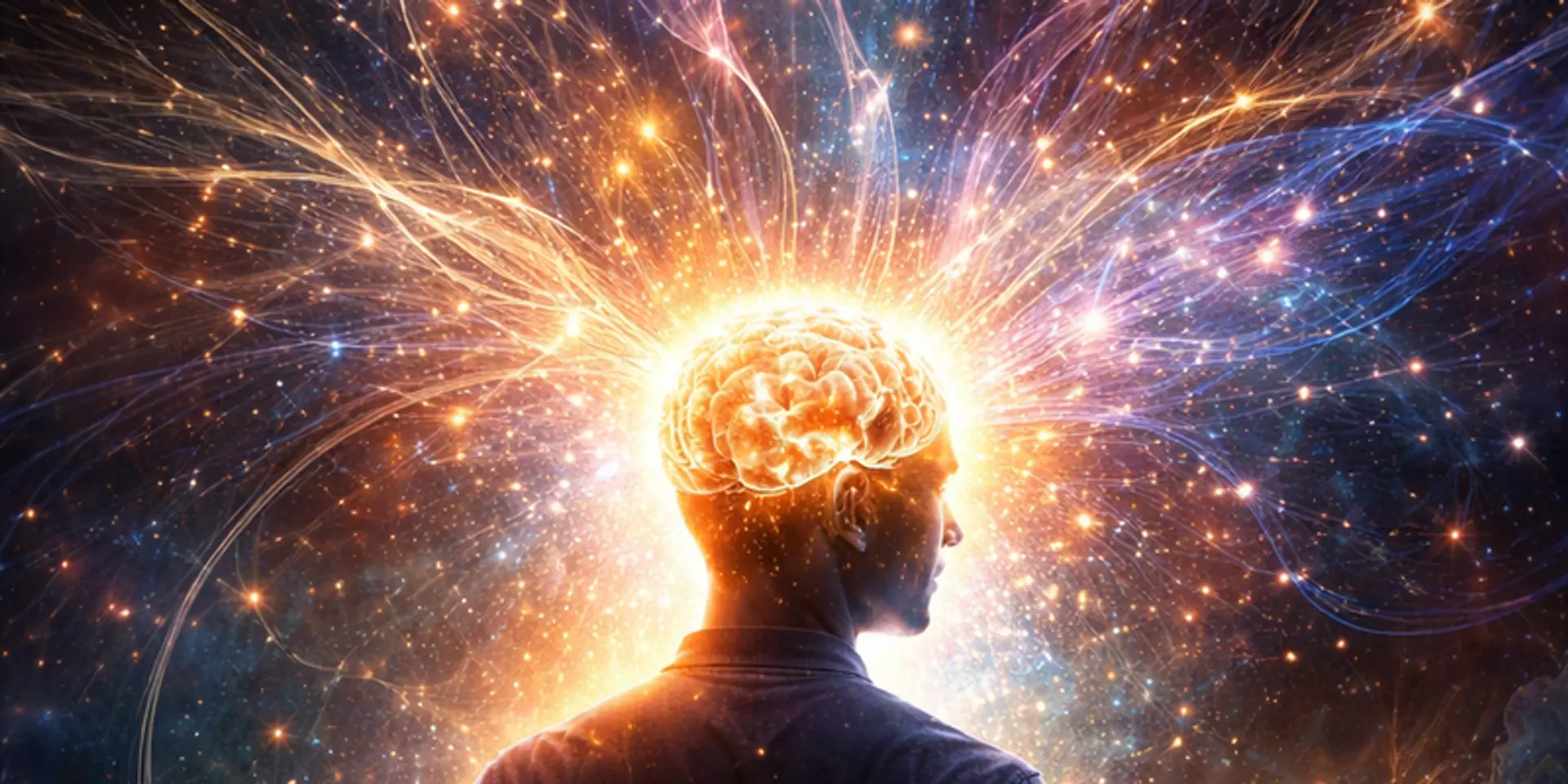

In his introductory lecture Breaking the Habit of Being Yourself, Dr Joe Dispenza challenges one of the most comfortable assumptions people live by: that change will somehow arrive on its own. Through neuroscience, lived observation, and a direct appeal to personal responsibility, he makes a clear case that most people are not creating a future at all. They are simply repeating the past.
Dispenza begins with a simple but unsettling question. Many people say they believe their thoughts shape their lives. Far fewer wake up each morning and consciously create the day ahead. The reason, he suggests, is not lack of intelligence or ambition, but lack of belief at a deeper level. If people truly believed their thoughts mattered, they would guard them carefully. They would not allow unwanted patterns to slip by unnoticed.
Living on autopilot
Most days unfold in a predictable loop. People wake up on the same side of the bed, follow the same routines, interact with the same people, and respond in the same emotional ways. These actions feel harmless because they are familiar. Yet Dispenza asks a crucial question: if nothing changes in how the brain is used throughout the day, how can anything new emerge?
From a neurological standpoint, the brain becomes a record of past experiences. It reflects what is known, familiar, and repeated. When daily life is governed by habit, the external environment controls which circuits in the brain are activated. People end up thinking in direct response to their surroundings. As long as thought remains tied to what is already known, the result is predictable: more of the same life.
Change, Dispenza argues, requires something more demanding. It requires thinking beyond the environment rather than reacting to it.
Thinking beyond what is visible
History offers countless examples of individuals who understood this principle intuitively. Transformational leaders and changemakers did not wait for evidence before acting. They held a vision that could not yet be seen, touched, or measured. That vision existed first in the mind, vivid enough to alter how they thought, felt, and behaved in the present.
Neuroscience now supports this idea. When a person repeatedly imagines a future with emotional intensity, the brain can begin to reorganise itself as if the experience has already occurred. In this sense, belief is not passive. It is an active biological process.
Personality and personal reality
At the centre of Dispenza’s argument is a blunt assertion: personality creates personal reality. Personality, in this context, is not a label or a trait. It is the sum of how a person thinks, acts, and feels. The life someone is living today is the direct outcome of these patterns.
Trying to create a new life while maintaining the same personality is a contradiction. New outcomes require a new way of being. This means altering thoughts, changing habitual behaviours, and releasing emotional states that have become part of one’s identity.
Neuroscience explains why this is difficult. Repeated thoughts and actions strengthen specific neural pathways. The principle is simple: nerve cells that fire together wire together. Over time, these patterns become automatic. The brain settles into familiar sequences that define how a person responds to the world.
When the body becomes the mind
Thoughts do not stay confined to the brain. Every thought produces a chemical response in the body. Positive or expansive thoughts generate one set of sensations. Negative or self critical thoughts generate another. Over time, people begin to feel the way they think, and then think the way they feel. This loop reinforces itself until it becomes a fixed state of being.
When emotions are memorised by the body as much as by the conscious mind, a habit is formed. By adulthood, Dispenza suggests, most people are largely governed by these automatic programs. Conscious intention struggles to override deeply ingrained emotional patterns.
This is why positive thinking alone often fails. The mind may want change, but the body resists it. True transformation requires reconditioning both.
Choosing change without crisis
Many people only examine their habits when faced with loss, illness, or crisis. Dispenza questions this approach. Why wait for suffering to force change? Learning and transformation, he argues, can occur through inspiration and joy just as powerfully as through pain.
The challenge is not complexity. The hardest part is making the time. Stepping out of automatic routines requires deliberate effort and attention. It means choosing, consistently, to invest in one’s inner world.
Breaking the habit of being yourself is not about becoming someone else overnight. It is about recognising that change begins long before circumstances shift. It begins with thought, intention, and the courage to interrupt the familiar.