


The psychology behind why we buy the same thing again and again
From habit loops to emotional memory, psychology explains why consumers stick to the same products despite endless alternatives.

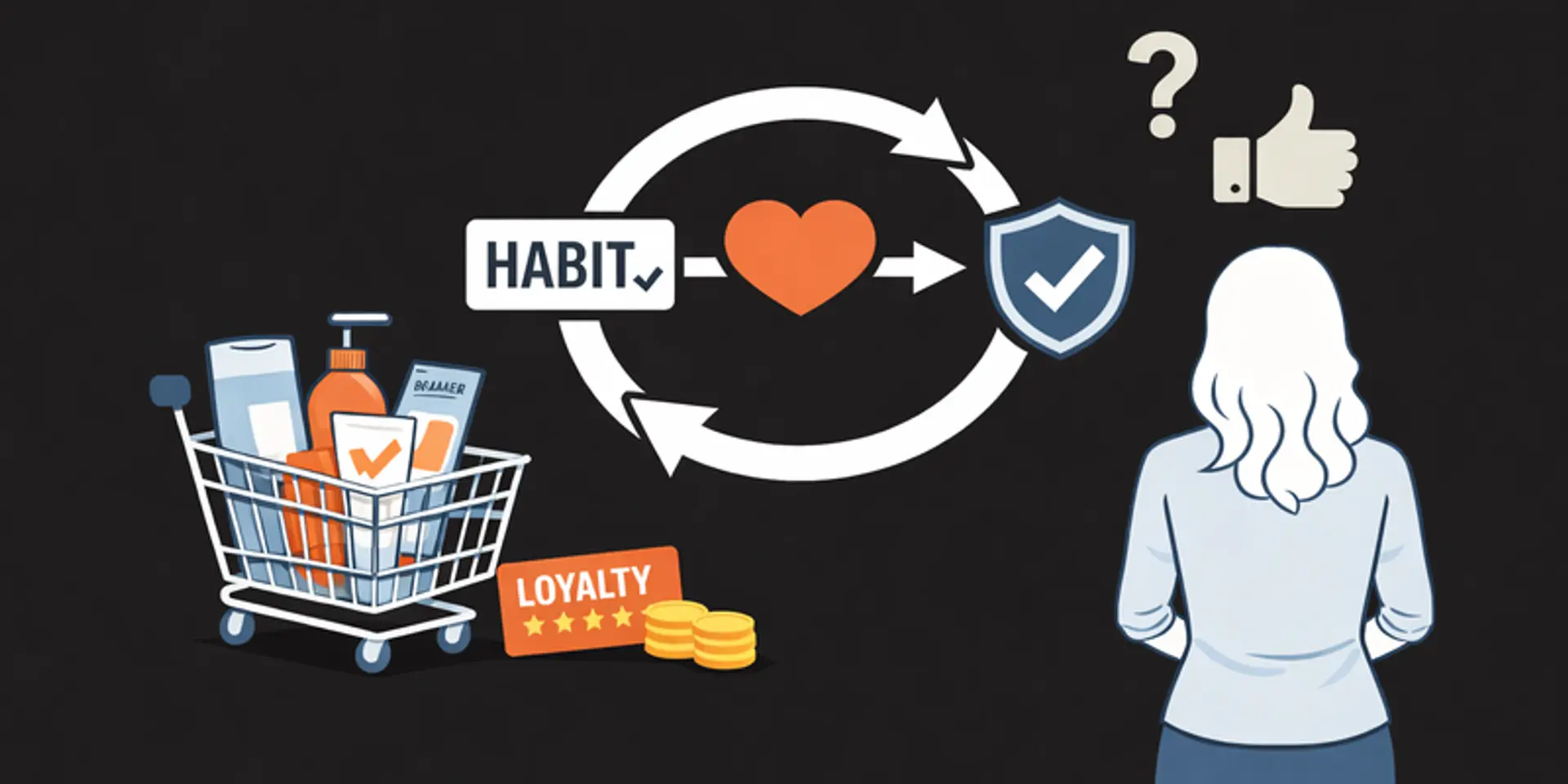

Most purchasing decisions feel rational on the surface. We tell ourselves we chose a product because it was affordable, reliable, or convenient. But when people repeatedly buy the same brand of tea, toothpaste, shoes, or phone, the reasons often go deeper than logic. Habit, emotion, and subtle psychological rewards quietly shape what ends up in our shopping baskets.
The comfort of familiarity
At the core of repeat buying is familiarity. The human brain is wired to conserve energy. Every new decision requires mental effort, and familiar choices reduce that load. When a product has worked once, choosing it again feels safe. There is no need to re-evaluate, compare, or take a risk.
This is especially true in everyday purchases. The stakes feel low, but the repetition is high. Over time, familiarity turns into a default setting. The brand becomes less of a choice and more of an automatic response.
Habit beats active choice
Psychologists often describe buying behaviour as habit-driven rather than decision-driven. Once a routine is established, the brain shifts control from conscious thinking to automatic behaviour. This is why people often reach for the same item without actively noticing it.
Habit loops follow a simple pattern: cue, routine, reward. The cue might be running out of something at home. The routine is buying the same brand. The reward is not just the product itself, but the relief of knowing it will do the job. Over time, the brain associates the product with that small but reliable reward.
Emotional memory matters more than features
People do not remember product specifications as much as they remember how a product made them feel. A shampoo that solved a problem during a stressful phase of life or a snack associated with childhood can carry emotional weight long after alternatives become available.
These emotional memories act as shortcuts. Even if another product is cheaper or objectively better, the familiar one feels reassuring. In moments of stress or time pressure, emotional recall often overrides rational comparison.
Trust reduces perceived risk
Repeat buying is also about trust. When money is exchanged for a product, there is always some level of uncertainty. Will it work as expected? Will it last? Will it disappoint?
Brands that deliver consistently reduce this uncertainty. Over time, trust becomes a powerful motivator. Consumers may not consciously think about trust, but it operates in the background, lowering the psychological risk of purchase. This is particularly visible in categories linked to health, hygiene, and daily use.
The role of identity and self-image
Some products become part of how people see themselves. The phone they use, the coffee they drink, or the clothes they wear can signal taste, values, or social belonging. Rebuying the same product reinforces that identity.
Once a brand aligns with how someone wants to be perceived, switching away can feel like breaking consistency with the self. This is why loyalty is often strongest in categories tied to lifestyle and status, even when alternatives are abundant.
Choice overload pushes us back to the familiar
Modern consumers face endless options. Paradoxically, more choice often leads to less experimentation. When shelves and online listings are crowded, familiar brands act as anchors. They simplify the decision by cutting through noise.
In such environments, sticking with the known option feels like a rational way to avoid regret. The fear of choosing wrong becomes stronger than the curiosity to try something new.
Small rewards reinforce big patterns
Discounts, loyalty points, and subtle design cues further strengthen repeat behaviour. Even minor incentives can reinforce the sense that staying loyal is being rewarded. Over time, these small nudges compound into strong buying patterns that feel natural and self-directed.
Importantly, consumers rarely perceive these influences as manipulation. The decisions feel personal, even when they are shaped by carefully designed systems.
Why breaking the cycle is hard
Trying a new product requires effort, attention, and sometimes disappointment. For most people, the emotional cost of switching outweighs the potential benefit unless there is a strong trigger. Price shocks, product failures, or life changes often serve as the moments when habits finally break.
Until then, repetition continues not because people are unaware of alternatives, but because the familiar option fits neatly into how the brain prefers to operate.
The bigger picture
Buying the same thing again and again is not a sign of laziness or lack of choice. It reflects how humans seek comfort, efficiency, and emotional stability in small, everyday decisions. For brands, understanding this psychology explains why consistency often matters more than novelty. For consumers, recognising it offers a chance to pause and ask whether a habit still serves them.
In the end, repeat buying is less about what we purchase and more about how our minds balance risk, reward, and reassurance in a complex world.