



Why electric two-wheelers beat cars in India’s EV race
EV adoption in India is not slow. Electric two-wheelers crossed 1.28 million sales while electric cars remain under 2% of car sales. This case study explains why market fit, affordability, and infrastructure shaped the outcome.

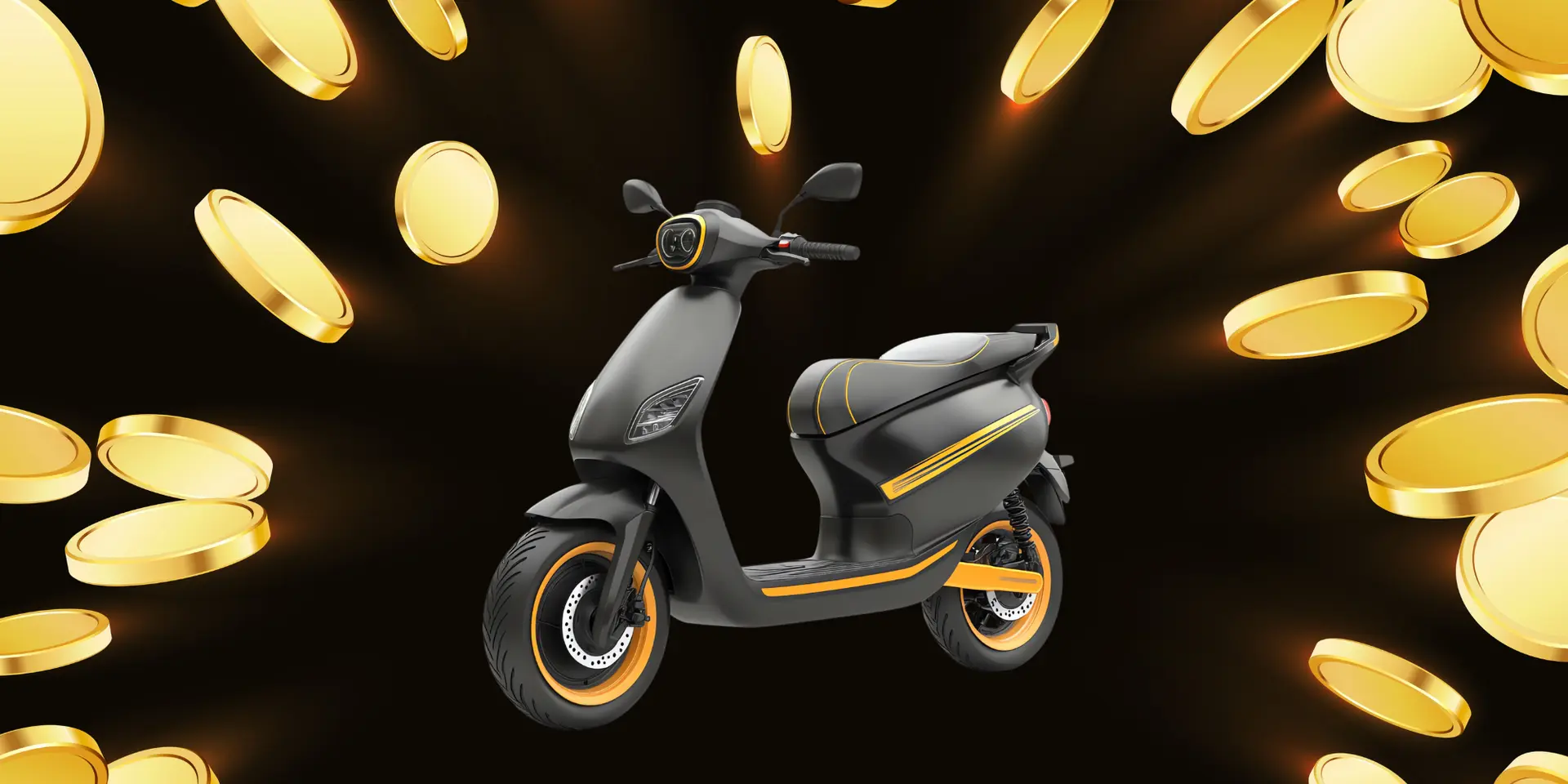

India did not reject electric vehicles. It chose where they made sense.
By 2025, electric two-wheelers crossed 1.28 million annual sales, accounting for 57% of all EVs sold in India. Meanwhile, electric cars, despite strong year-on-year growth, remain under 2% of total car sales
Same country. Same time period. Same broad policy push. Yet one segment took off while the other struggled.
Electric two-wheelers won because they aligned with how India already moves. Electric cars struggled because they tried to change behaviour and infrastructure simultaneously. Let us explore this segment in detail.
The EV divide in India: 4 Reasons scooters won over cars
Market size fit mattered more than innovation
India is not a car-first country. It is a two-wheeler-first country. Around 70–80% of vehicles sold in India are two-wheelers. Total vehicle sales in 2025 were approximately 2.05 crore units, and two-wheelers dominate daily mobility for over 200 million users across metros and tier-2 cities.
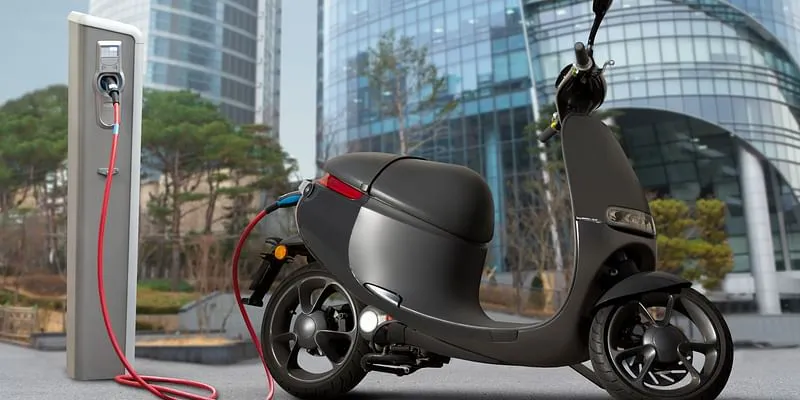
Electric scooters did not need to change behaviour. They replaced petrol scooters almost seamlessly. The usage pattern stayed the same. Daily commutes of 15–30 km fit comfortably within a 50–100 km range. Charging overnight through a regular home socket required no new habits.
Electric cars, in contrast, entered a smaller passenger vehicle segment where long-distance travel, family expectations, highway reliability, and resale value matter deeply. They were not drop-in replacements. They required behavioural change. In India, upgrading an existing habit wins faster than creating a new one.
Affordability was the real divider
The divergence becomes obvious when looking at cost. Electric two-wheelers are priced between Rs 80,000 and Rs 1,00,000. That is comparable to petrol scooters. Running costs are 70–80% cheaper than petrol. Maintenance is minimal. The return on investment becomes visible within 12–18 months.
Electric cars, however, cost Rs 10,00,000 to Rs 20,00,000 or more. That is 2–3 times the price of equivalent petrol cars in many segments. Even though running costs are lower, the savings do not justify the premium for most households.
Average Indian household income is around Rs 3 lakh per year. A Rs 90,000 scooter is aspirational but achievable. A Rs 15 lakh car is affordable only to a small top share of households. Affordability in India is not about aspiration. It is about whether the maths works for the median household.
Infrastructure favoured scooters
Infrastructure gaps slowed cars but barely affected scooters. Electric two-wheelers can charge using a standard 5A or 15A home socket. Overnight charging fits naturally into daily routines. Battery swapping models also emerged quickly for delivery fleets, allowing 2–3 minute swaps instead of waiting hours.
Electric cars depend heavily on public fast chargers for inter-city travel. India has fewer than 10,000 DC fast chargers nationwide compared to over 100,000 petrol pumps. Fast charging still takes 30–60 minutes. Many urban residents live in apartments without dedicated parking or charging points.
Scooters worked within existing infrastructure. Cars waited for future infrastructure. Solutions that adapt to constraints scale faster than solutions that depend on new systems being built.
Policy support followed volume, not aspiration
Subsidy structures also reveal intent. Under FAME II, electric two-wheelers received up to Rs 15,000 per kWh with a Rs 37,500 cap, leading to 20–40% price reductions in many cases. GST was 5%, and several states offered additional purchase incentives, scrapping benefits, and road tax waivers.
Electric cars received a Rs 1,50,000 cap, which typically translated to only 5–10% price reduction on a Rs 15 lakh car. GST remained higher, and state-level incentives were more limited.
The policy logic was clear. Two-wheelers represent 70–80% of the vehicle market. Subsidising 1 million scooters affects more households and reduces more emissions per rupee spent than subsidising 50,000 cars.
Policy followed adoption probability, not headlines.
India is electrifying bottom-up
India’s EV journey did not start with premium cars and trickle down. It started with scooters, delivery fleets, and cost-conscious commuters. By 2030, two-wheelers are expected to reach 15–20% of the market, with commercial segments seeing even higher penetration. Electric cars will grow, but slower and more metro-first.
The lesson is simple. Follow existing behaviour. Build for current constraints. Make the maths work for the median household. India did not resist electric mobility. It chose the right starting point.
To dive deeper into the numbers, policy shifts, and market dynamics shaping India’s EV future, read the full case study here.