



Saharanpur Wood Carving: A Legacy Sculpted in Teak
From floral jaali work to ornate furniture panels, Saharanpur’s carved teak products reflect generations of skill, precision, and evolving design practices.

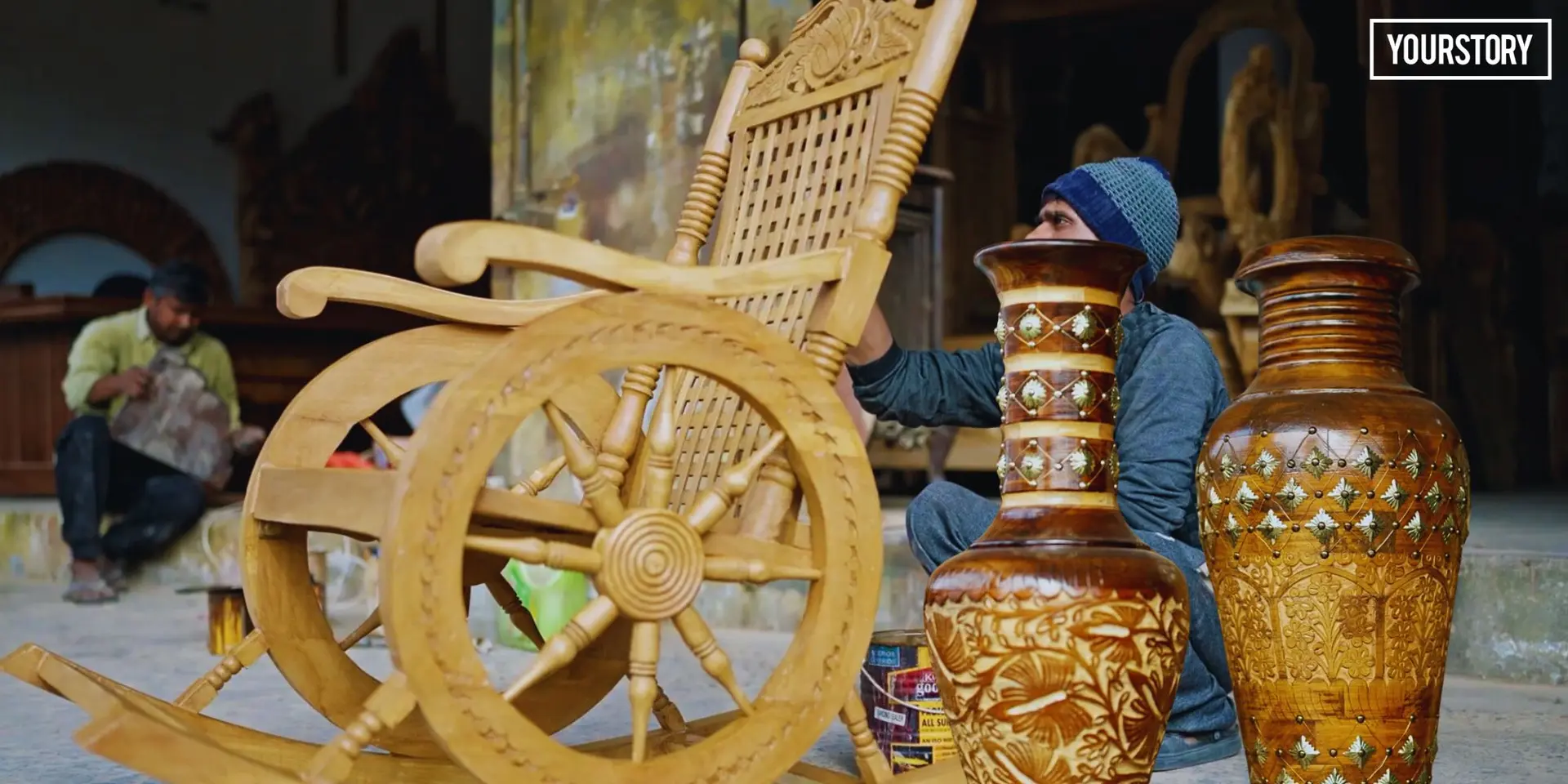

In homes across India, intricately carved wooden panels, ornate headboards, detailed doors, and sculpted décor pieces reflect a craft tradition that has endured for generations. At the heart of this artistry lies the renowned wood carving heritage of Saharanpur.
Recognised under the One District One Product initiative, Wood Carving is the notified ODOP product of Saharanpur district. The craft represents not only decorative excellence but also a deeply rooted artisan ecosystem where skill, design, and discipline come together in every carved surface.
From floral jaali work and geometric panels to intricately detailed furniture components, Saharanpur’s wood carving tradition continues to evolve while preserving its distinctive identity.
An Artisan Shaping Tradition: Mohammad Kafeel
Among the artisans contributing to this legacy is Mohammad Kafeel, who has grown within Saharanpur’s wood carving environment since his teenage years. What began as hands-on learning in local workshops gradually developed into a structured enterprise rooted in carving excellence.
For Kafeel, carving is not an isolated decorative process but the central artistic expression that defines each product. Whether applied to bed frames, sofa panels, wardrobe doors, temple structures, or standalone carved panels, the detailing carries the unmistakable signature of Saharanpur craftsmanship.
His workshop operates as a coordinated unit where carving remains the defining stage of production. Skilled artisans focus exclusively on chiselling patterns, shaping motifs, and refining surfaces. Their work transforms solid teak into expressive forms that combine strength with aesthetic intricacy.
The Journey from Teak to Carved Form
The process begins with the careful procurement of teak (sagwan) wood. Sourced from markets such as Delhi and local mandis, the wood is selected for grain quality, durability, and carving suitability.
Each project begins with a detailed drawing that defines measurements and ornamental layout. Once the structural base is prepared, master carvers begin their work. Using chisels and hand tools, they sculpt floral vines, traditional motifs, lattice patterns, and contemporary designs depending on client preference.
The carving stage requires steady hands and trained judgment. Depth, symmetry, and flow of pattern are carefully balanced to maintain both structural strength and visual harmony. Once carving is completed, the piece moves through assembly and finishing processes, where polish enhances the grain and detailing of the wood.
Finished products travel through trade networks to markets in Chhattisgarh, Odisha, Bihar, and across Uttar Pradesh. Through these channels, Saharanpur’s carved wood reaches homes far beyond the district.
ODOP and Structured Growth
As the notified ODOP product, Saharanpur Wood Carving has gained structured promotion and institutional visibility. In 2023, Mohammad Kafeel strengthened his unit through an ODOP-linked financial facility accessed via the District Industries Centre. This support enabled improved raw material planning and production management.
The integration of ODOP recognition with artisan enterprise reflects how traditional crafts can align with formal economic frameworks. Wood carving in Saharanpur today represents both heritage and organised growth—a craft that continues to define the district’s identity.
From solid teak to intricately sculpted surfaces, every carved detail carries forward generations of skill. Saharanpur’s wood carving stands as a living testament to India’s enduring craft excellence.