



Shamli’s Iron Fabrication Works: Powering Agriculture Through Harrow Discs
From steel plates to heat-treated discs, Shamli’s fabrication shops run precision processes and steady employment—linking factory floors to field preparation.

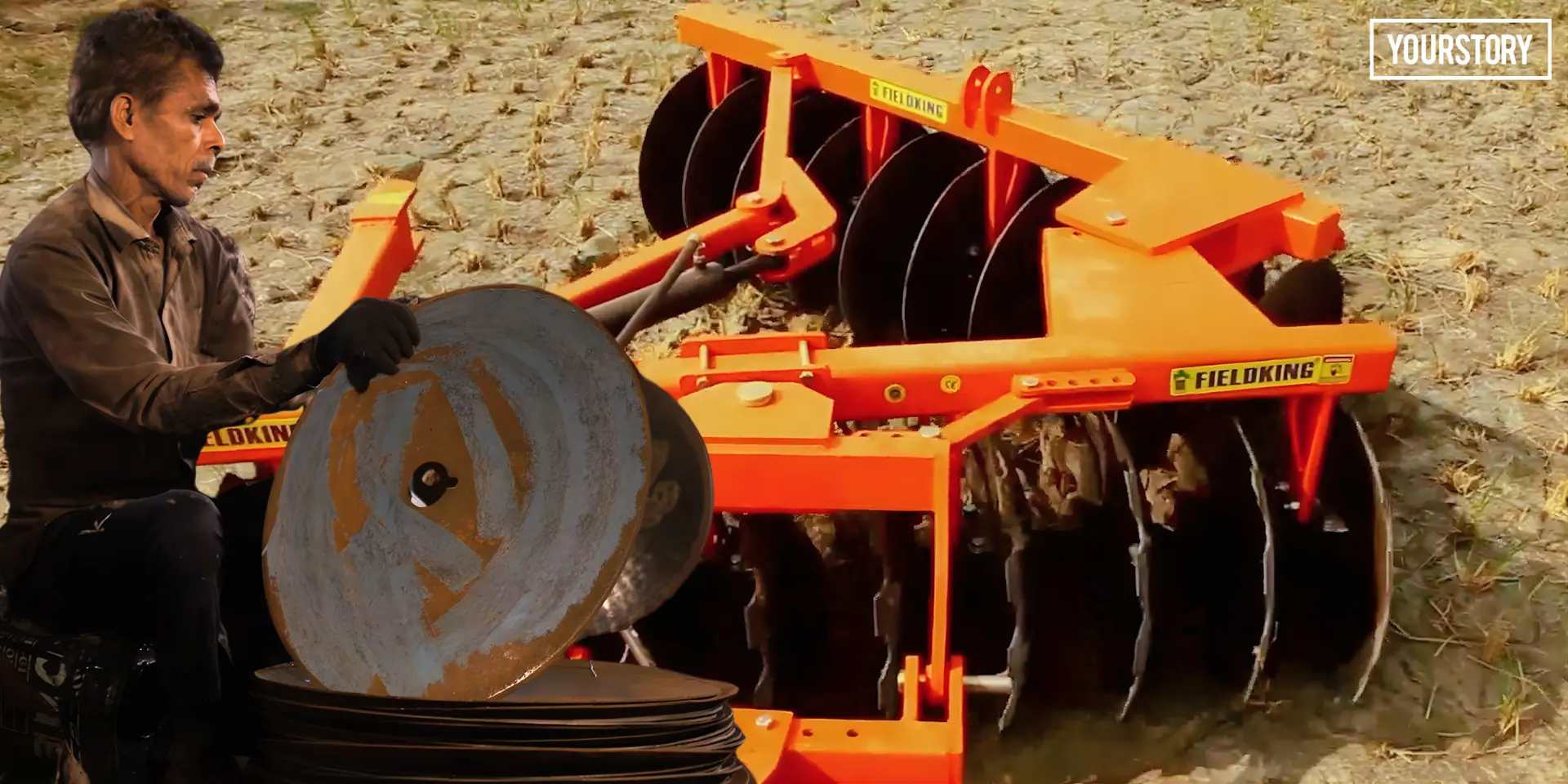

In Shamli, Uttar Pradesh, Iron Fabrication Works is the notified product category under the One District One Product (ODOP) Programme. Within this category, harrow discs have emerged as one of the key manufactured products, serving the agricultural sector across regions.
Harrow discs are essential components of disc harrows attached behind tractors. They cut, mix, and turn soil to prepare land for sowing. While their role in the field is visible, the manufacturing ecosystem behind them is equally significant—supporting machinists, fabricators, press operators, transporters, and suppliers within the district.
One such manufacturing unit is Adhinath Industry, operated by Nipun Jain and his brother Abhishek Jain under the guidance of their father, Sherisho Kumar Jain. The family’s industrial journey dates back to 1985, with the harrow disc manufacturing unit established in Shamli in 2005, strengthening the district’s iron fabrication capabilities.
Iron Fabrication and Manufacturing Process
The production of harrow discs begins with high-grade steel plates. These are cut, pressed, shaped, heat-treated, and finished through precision fabrication processes. Maintaining the correct thickness, curvature, and hardness ensures durability and effective soil penetration.
The unit employs around 35–36 workers directly and supports several additional livelihoods through its extended supply chain. Production cycles are closely aligned with agricultural seasons, reflecting the strong link between Shamli’s fabrication units and farming demand.
Growth Through ODOP Support
Under the ODOP framework, Shamli’s Iron Fabrication Works have received institutional support through access to finance, subsidy assistance, and technology upgradation guidance. This has enabled local units to expand capacity, modernize machinery, and improve product quality.
Today, apart from serving domestic agricultural markets, units from Shamli also connect to indirect export channels through established trade hubs.
For Shamli, Iron Fabrication Works are not merely industrial output—they represent a district-level manufacturing strength that supports farms, factory floors, and livelihoods simultaneously.