



Agra’s Leather Footwear: Where Material Trust Drives the Sale
In a market where materials look alike, Agra’s leather footwear sector relies on transparency, skilled production, and direct customer interaction to drive consistent demand.

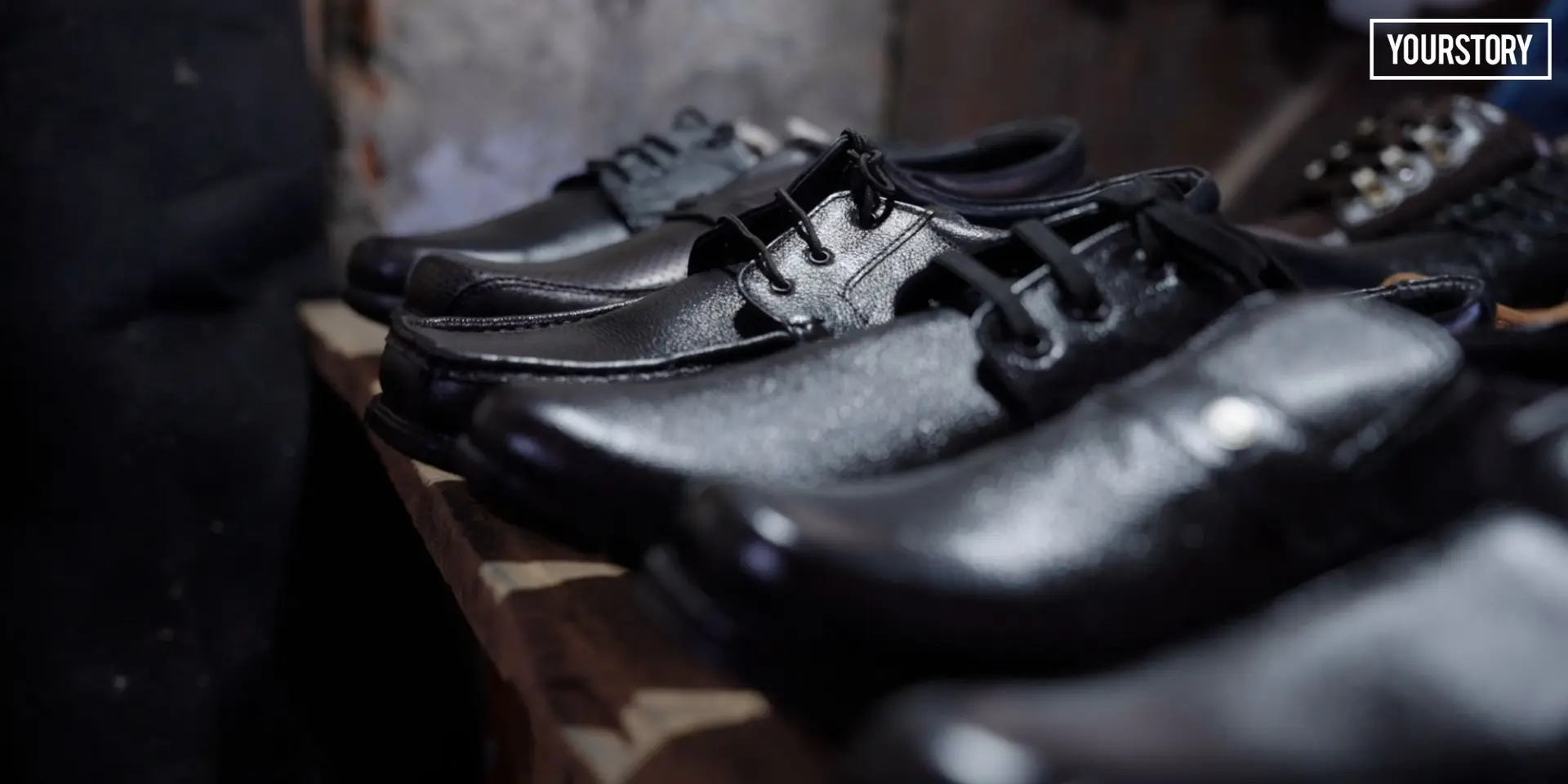

In Agra, leather footwear production follows a clearly defined demand cycle shaped by seasons and usage patterns. Closed shoes see higher demand during winters, while open sandals gain traction after Holi as summer approaches. At the same time, styles such as mojris, nagras, and loafers continue to maintain year-round relevance across both occasion wear and daily use.
In this segment, purchase decisions are influenced as much by perception as by price. Buyers often evaluate whether a product is made of genuine leather or synthetic substitutes that can appear similar at first glance. As a result, trust in material authenticity becomes a decisive factor in the buying process.
The production ecosystem in Agra operates through decentralised workshop units rather than large factories. Each stage of production is handled by specialised workers—starting from sorting raw leather by hide section to cutting, skiving, stitching, fitting, bottoming, pasting, and finishing. This structured workflow allows production to move efficiently in batches, with a typical lot taking about three days to convert raw material into finished footwear.
In areas such as Shaheed Nagar, these units function as family-run enterprises, scaling output based on order flow and seasonal demand. The model enables flexibility, but also places emphasis on coordination across multiple skilled hands.
Under the One District One Product (ODOP) Programme, leather products are a notified focus area for Agra. The initiative has enabled artisan units to participate in exhibitions and fairs, creating direct access to buyers and reducing dependence on intermediaries such as wholesalers and showroom networks.
One such artisan-entrepreneur is Muhammad Shakir from Shaheed Nagar. Carrying forward a family legacy established by his father, Shakir entered the trade at the age of 12 and now brings nearly three decades of experience. Along with his five brothers, he runs a unit employing 15–18 workers, focusing exclusively on genuine leather products.
The unit produces a wide range of footwear including shoes, chappals, sandals, mojris, nagras, and a locally known style called “gudiya,” which is now widely recognised in the market as a loafer and currently sees strong demand.
Sales are primarily driven through government-organised fairs and exhibitions, where products are sold directly to customers. While this removes intermediary layers, it introduces a unique challenge—buyers often question the authenticity of leather when prices are lower than branded retail outlets. Bridging this trust gap
requires direct interaction, explanation, and demonstration.
In Agra’s leather footwear trade, production cycles may be short, but the success of each sale depends on credibility built at the point of purchase. When workshop efficiency, seasonal demand, and buyer trust align, these small units are able to sustain steady output and market presence without relying entirely on traditional wholesale channels.