



Cold email in 2026: What still works vs what doesn't
Cold email isn’t dead in 2026. Stop spamming, start connecting, and learn what gets real replies!

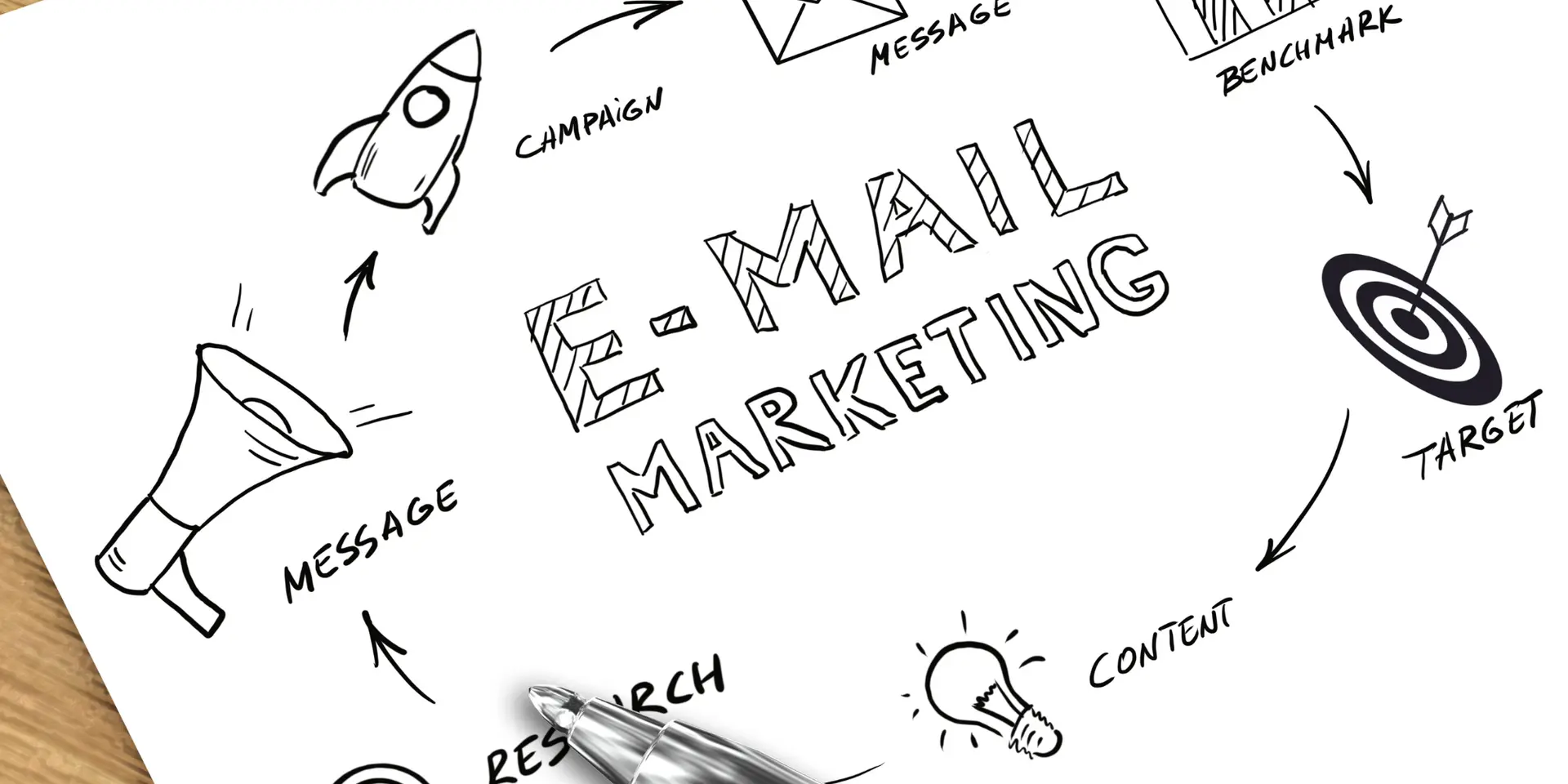

Your inbox probably gets more visits from strangers than your front door.
We all receive dozens of emails from people we have never met. Most are deleted in seconds. Some never even reach the inbox because spam filters block them first. This is why cold email often gets a bad reputation. A lot of it feels irrelevant, automated, or easy to ignore.
But cold email is far from dead. In 2026, businesses still use it to start conversations and find new customers. What has changed is the approach. Generic mass emails are easy to spot and rarely get replies.
The messages that get attention today are simple, relevant, and respectful of the reader’s time. When done well, a cold email can still start a real conversation. So how do you actually get cold email right? Let’s break it down!
What still works
Reaching people who actually need your product
Get the right inboxes, and cold emails can really hit. Instead of sending messages to large random lists, successful outreach focuses on prospects who show signs of potential interest.
These signals can include a company that has recently raised funding, a business actively hiring, or a team launching a new product. When the message connects with a real need, the chances of a reply increase significantly.
Personalisation that feels genuine
Before you think personalisation just means adding someone’s name to a template, it does not. Real personalisation shows that you understand the person you are emailing.
Mention something like, “Congrats on your recent Series A funding”, or “I loved your blog post on remote team management.” Even small details like these show you’ve done your homework. Emails like this feel personal, not like a generic blast.
Short emails people can actually read
Most of us scan emails, particularly when they do not recognise the sender. Long messages packed with details often lose attention before the reader reaches the end. Short emails that communicate one clear idea tend to perform better.
A concise message explaining a single benefit and suggesting a simple next step often receives more replies than a lengthy sales pitch.
Follow-ups that add value
Responses often do not come after the first email. That is why follow-ups are an important part of most outreach campaigns. Simply repeating the same message, however, rarely helps.
A good follow-up adds something new. This could be a short insight, a quick example, or a helpful resource related to the conversation. Some campaigns also support email outreach with platforms like LinkedIn to increase visibility and build credibility.
Continuous testing and improvement
Cold email outreach rarely succeeds with a single perfect template. Instead, it improves gradually through experimentation. Small adjustments to subject lines, message length or sending times can influence open and reply rates.
Organisations that regularly test and refine their campaigns often see steady improvements in engagement.
What does not work anymore
Sending generic emails to massive lists
Zero research + mass email = zero replies.
Messages sent to thousands of recipients without proper targeting usually generate low engagement. Modern email systems analyse behaviour patterns. When recipients ignore or delete emails in large numbers, the sender’s reputation quickly declines, and future emails may never reach the inbox.
Overloading emails with information
Some outreach messages attempt to explain every feature of a product while including multiple calls to action. For a busy reader, this can feel overwhelming.
Simpler messages with a single clear focus tend to be far more effective. Readers should immediately understand why the email is relevant and what step they are expected to take next.

Emails written entirely by AI
Your email should sound human, not like ChatGPT wrote it. Artificial intelligence tools can assist with research and drafting, but relying on them completely can create problems. Emails generated without human editing often sound generic or mechanical.
When messages lack authenticity, recipients notice quickly. Spam filters are also increasingly capable of identifying patterns common in automated outreach.
Outreach with no context
Timing and relevance matter. Emails that appear unrelated to what a company is currently doing are likely to be ignored. Tactical outreach usually connects the message to something happening in the recipient’s environment. This could be a new initiative, industry trend or organisational change.
Avoiding spam filters
Getting the technical basics right
Email deliverability depends partly on proper technical configuration. Organisations that send outreach emails should ensure their domains are authenticated using standards such as SPF, DKIM and DMARC.
These settings help email providers verify that the sender is legitimate and reduce the chances of messages being flagged as suspicious.
Writing emails that look natural
Spam email filters also analyse the content of messages. Emails that rely heavily on promotional language or contain too many links and images may trigger filtering systems. Simple text-focused emails that provide clear value are generally more likely to reach the inbox.
How to build trust with emails
Building trust takes time. Sending a large number of emails from a new domain can look suspicious to inbox providers. Most outreach teams start with small volumes and increase them gradually. This helps build a healthy sender reputation.
Avoid purchased or scraped email lists. These lists often contain outdated addresses, invalid accounts, or spam traps. The result is higher bounce rates, more complaints, and a damaged sender reputation.
Respect unsubscribe requests. If someone asks to stop receiving emails, remove them from your list quickly. This keeps your outreach responsible and prevents unnecessary complaints.
The takeaway
Cold email is still alive in 2026, but the way it works has changed. People expect relevant messages, clear writing, and respectful outreach. Mass campaigns and generic templates rarely get attention anymore. What works instead is simple. Reach the right people, write clear emails, and protect your sender reputation.
When done well, cold email can still do one thing very well. Start real business conversations.