


Etah’s Chicory: From Contract Fields to Processed Supply
Etah’s chicory industry connects farmers, processing units, and beverage companies through a structured supply chain. Under the ODOP programme, the district’s chicory crop moves from contract farming fields to processing facilities that supply major beverage manufacturers.

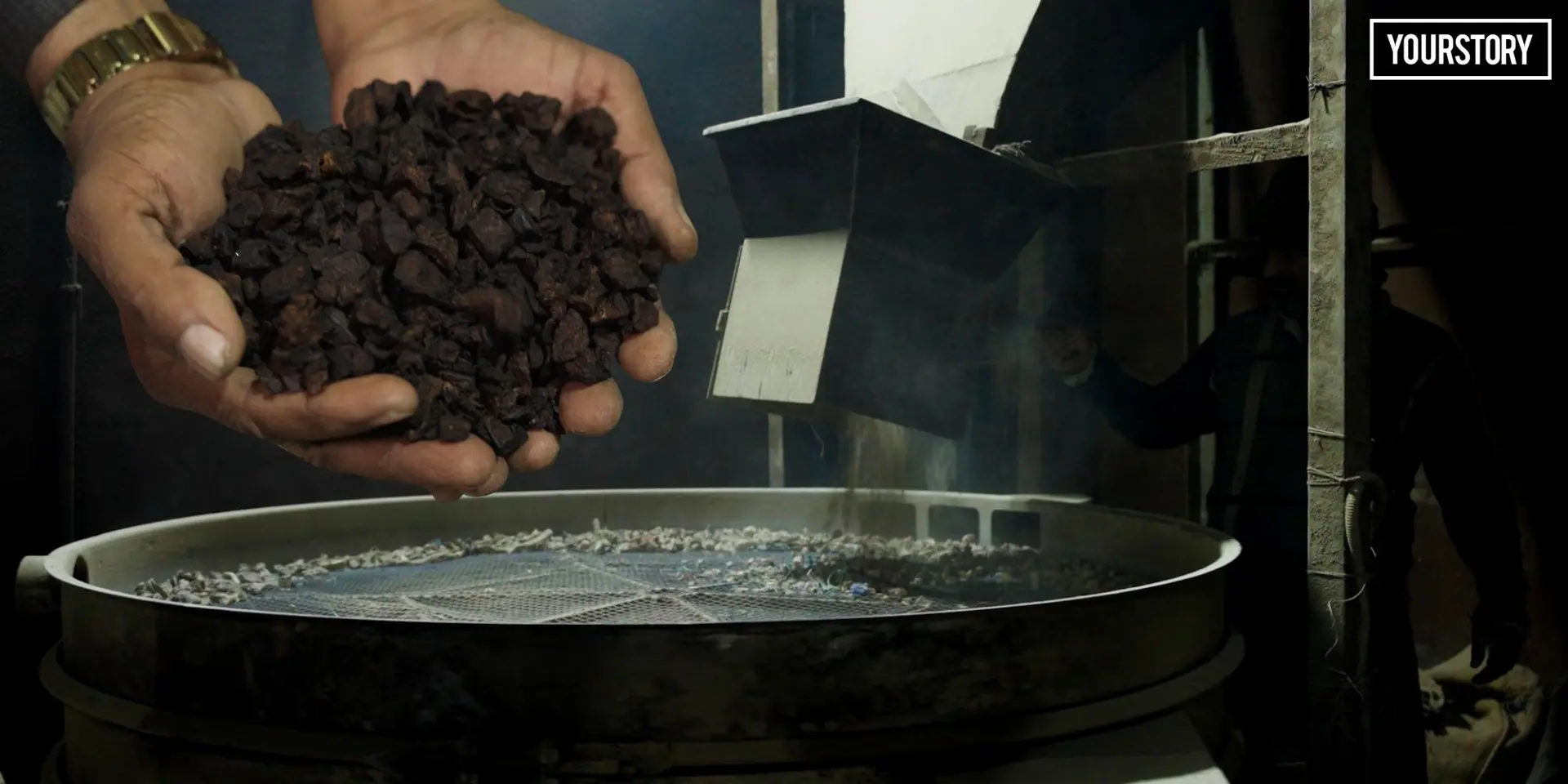

Across coffee blends and beverage mixes, chicory plays an important role in shaping flavour, colour, and strength. It moves through a production chain that begins in farmers’ fields and ends as a processed ingredient supplied to large food companies.
In Etah district of Uttar Pradesh, chicory is one of the notified products under the One District One Product (ODOP) Programme. The crop is grown by local farmers and processed in district-based units before being supplied to major buyers in the beverage industry.
Among the farmers connected to this chain is chicory cultivator Ramesh Kumar (name illustrative), who grows the crop on his fields in Etah. Like several others in the district, he cultivates chicory under a structured supply arrangement with local processors. The arrangement ensures that farmers have access to seeds, a defined crop cycle, and a reliable route for selling their produce after harvest.
Farming linked with processing units
Chicory cultivation in Etah begins with the distribution of seeds to farmers who adopt the crop as a cash alternative to conventional farming. The sowing season usually begins after the monsoon, and the crop matures by late spring or early summer.
Farmers focus on cultivation and crop care throughout the season. Once harvested, the chicory roots are transported to nearby processing units where the next stage of the supply chain begins.
This structured linkage between farms and processors helps farmers avoid uncertainties often associated with open markets. The crop has a pre-defined buyer route, making it easier for cultivators to plan their farming cycle and income expectations.
Processing and year-round supply
After the harvested chicory reaches the unit, it undergoes a series of processing steps. The roots are first cleaned and cut into small pieces. These pieces are then dried to reduce moisture before being stored for further use.
Processing units convert the raw crop into a stable form that can be roasted and supplied throughout the year. The processed chicory is delivered to beverage manufacturers that use it as a key ingredient in coffee blends and other drinks.
ODOP support strengthening the value chain
The ODOP Programme has helped strengthen Etah’s chicory ecosystem by bringing visibility to the district’s unique agricultural product. Through exhibitions, official platforms, and promotional support, chicory producers and processing units from Etah have gained greater recognition.
For farmers like Ramesh Kumar, this has meant a more structured market environment and improved opportunities for selling their crop. Processing units have also benefited from wider market exposure and stronger buyer connections.
Together, the farmers and processors form a coordinated supply chain that allows Etah’s chicory to reach national and international markets while supporting local agricultural livelihoods.