


Gautam Budh Nagar’s textile printing ecosystem: Digital technology powering garment manufacturing
From cotton and polyester printing to advanced methods like DTF and sublimation, digital textile printing units in Noida play a crucial role in supplying printed fabrics to garment manufacturers, exporters, and home furnishing producers.

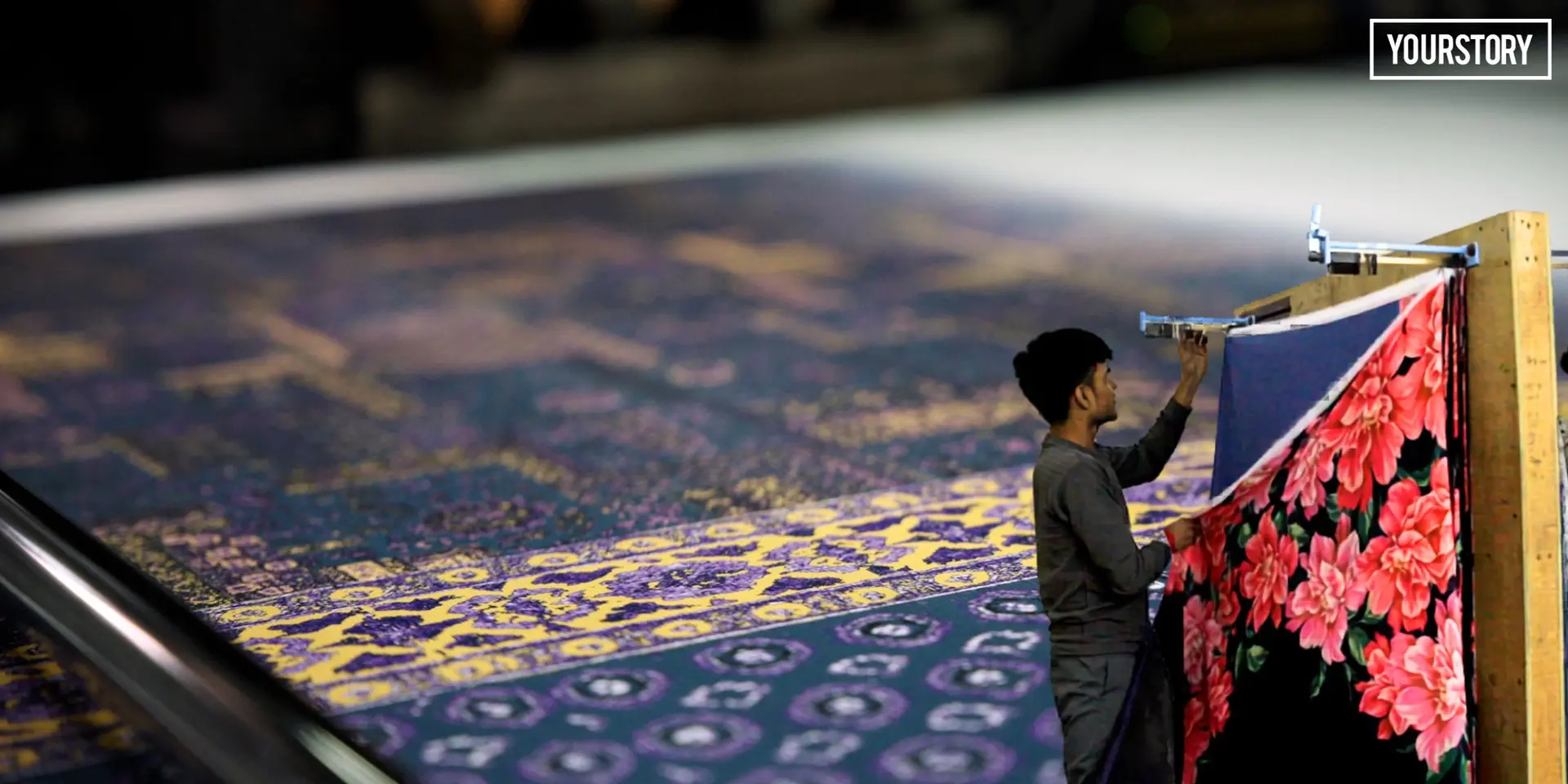

In Uttar Pradesh’s Gautambudh Nagar district, printed fabric has become an essential component of the region’s fast-moving garment and textile ecosystem. Across manufacturing clusters around Noida, printed textiles appear in a wide range of applications—from garments and home furnishings to promotional backdrops, bags, and event materials.
Behind these finished designs lies a structured production cycle that begins with plain fabric such as cotton or polyester. The process moves through multiple stages involving designers, fabric suppliers, printing units, garment manufacturers, and exporters who work within closely coordinated timelines. When printing units deliver consistent quality and predictable turnaround times, downstream manufacturers are able to continue cutting, stitching, and assembling garments without production delays.
This interconnected production network has grown alongside the district’s emergence as a major manufacturing and export hub in the National Capital Region. Under the Government of Uttar Pradesh’s One District One Product (ODOP) Programme, textile and garment-linked activities in Gautam Budh Nagar have received support aimed at strengthening manufacturing capacity and improving access to finance and market opportunities. The programme has helped enterprises streamline approvals, improve compliance readiness, and expand production infrastructure while serving export-oriented markets.
One enterprise operating within this ecosystem is Fourway International, a digital textile printing unit run by entrepreneur Sanjeev Jain. The unit supplies printed fabrics to garment manufacturers and exporters while also catering to clients involved in home furnishings, event materials, and bag manufacturing.
The enterprise traces its origins to the mid-1990s when the promoter initially worked in embroidery-related activity. As the textile and garment manufacturing ecosystem in the National Capital Region expanded, the business gradually transitioned toward textile printing and later established operations in Noida to work more closely with exporter clusters and garment manufacturers.
Over time, the unit expanded its capabilities to print on both cotton and polyester fabrics, enabling it to serve diverse industry requirements. Orders range from garment panels prepared for stitching to large fabric runs used in bulk manufacturing. To keep pace with evolving design trends and production methods, the enterprise has incorporated multiple digital printing technologies.
Among these are DTF (Direct-to-Film) printing, where designs are printed on a film and later transferred onto fabric using heat, and sublimation printing, a process in which dye is heat-transferred onto polyester fabrics so that the print becomes embedded within the material. These technologies allow manufacturers to achieve sharper designs, faster turnaround times, and greater flexibility for customised production.
A significant focus of the unit’s operations is maintaining compliance with international buyer requirements. Textile exporters and global brands increasingly expect strict adherence to environmental and safety standards. To meet these expectations, the enterprise emphasises controlled chemical usage and references internationally recognised testing systems such as OEKO-TEX, which evaluates textiles and dyes for harmful substances.
The production facility operates with largely automated printing systems supported by advanced machinery sourced from European manufacturers. The installation of newer printing lines has also allowed the enterprise to adopt processes that reduce environmental load. In some cases, production methods have been designed to minimise additional washing or steaming stages, aligning with global buyers’ preference for cleaner manufacturing practices.
The workflow typically begins when clients specify the fabric type, colour requirements, and intended application of the printed material. Designs are digitally prepared and calibrated for the selected base fabric before being transferred onto automated printing systems. Once printing is completed, the fabric undergoes finishing and quality checks to ensure consistency in colour and pattern before being dispatched to the next stage of the supply chain.
Clients include both domestic brands and export-oriented garment manufacturers, with international buyers often reached through exporter networks that source printed fabric for their production lines.
The textile printing ecosystem in Gautambudh Nagar illustrates how specialised manufacturing services support a larger industrial value chain. By delivering reliable printing capacity, technology-driven units help garment manufacturers maintain steady production cycles and meet export timelines.
With the continued support of initiatives such as the ODOP Programme, enterprises in the district are strengthening their technological capabilities while contributing to the growth of Uttar Pradesh’s textile and garment manufacturing sector.