



Gen Z spending behaviour signals India’s move from crisis borrowing to convenience credit
India is shifting from borrowing in moments of need to borrowing by default. As UPI, BNPL, and embedded finance blur the line between payments and credit, loans are becoming a seamless part of everyday spending.

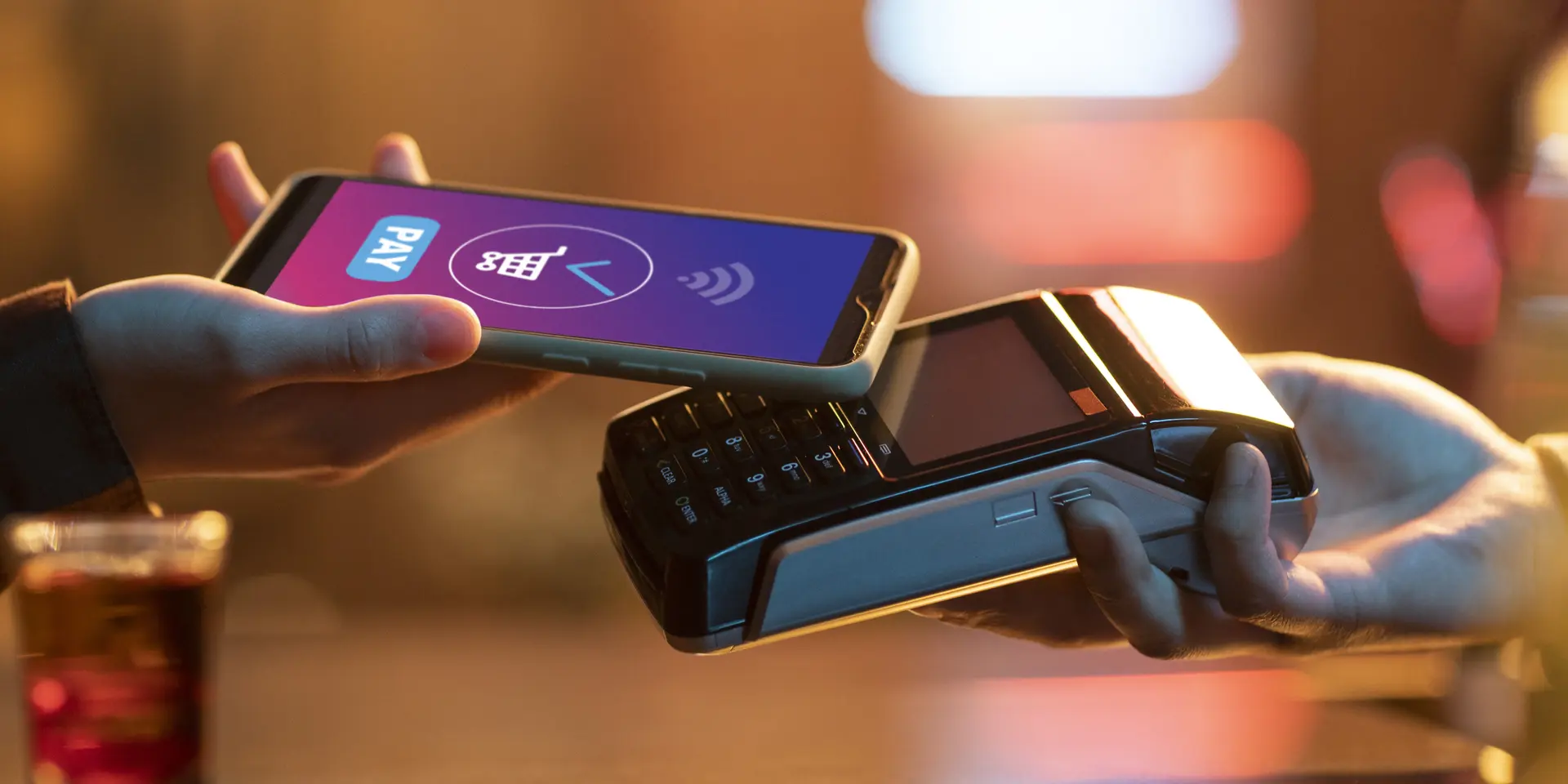

Credit in India is no longer reserved for emergencies or rare big-ticket purchases; it has become part of everyday consumption. For decades, households borrowed sparingly for medical needs, income gaps, or milestones. That mindset is changing, as India moves from ‘credit for crisis’ to ‘credit for convenience,’ powered by digital rails and lifestyle-led spending.
India’s financial digitisation is playing a central role in this transition. UPI, which handles billions of transactions every month, has evolved from a payments tool into a gateway for everyday borrowing. With features such as Credit Line on UPI, access to funds no longer involves filling out forms or waiting for approvals. What once required a visit to the bank can now happen mid-purchase, whether someone is buying groceries, booking a cab, or ordering a meal.
Borrowing has quietly slipped into daily life, showing up exactly when people need it. The gap between intent and spending has narrowed sharply, making it feel less like a deliberate financial decision and more like a built-in feature of digital payments. While initiatives such as Jan Dhan, India Stack, and nationwide telecom connectivity laid the foundation, rising consumer aspiration combined with convenience and instant access has pushed adoption much further.
Spending patterns point to a clear behavioural shift. Card usage is now driven largely by ecommerce, travel, dining, and everyday discretionary expenses rather than traditional big-ticket purchases. As transaction sizes shrink and usage becomes more frequent, borrowing has become routine rather than episodic. Electronics, smartphones, travel bookings, and even groceries are increasingly financed through EMIs, signalling a shift from borrowing in times of need to the normalisation of credit as part of everyday lifestyle spending.
Buy Now, Pay Later (BNPL) and Embedded Finance have emerged as defining features of this new credit economy. What began as a niche checkout option has become mainstream since 2018, supported by instant approvals and deep merchant integration. The appeal is straightforward. Breaking purchases into small instalments with minimal upfront cost makes spending feel more manageable.
For younger, digitally native consumers, BNPL often appears more flexible and accessible than traditional credit cards. Its deeper impact lies in how it reshapes perception. When a ₹1,00,000 purchase is reframed as a ₹5,000 monthly payment, affordability is redefined. The psychological barrier to spending drops, gradually shifting India from a savings-led consumption model to one increasingly driven by EMIs.
In addition, UPI is broadening access to formal credit in a more organic way. Digital-first borrowing will provide access to a greater number of individuals willing to engage with the credit ecosystem, including a significant portion of younger consumers and individuals from Tier-II and Tier-III cities. With digital-first borrowing and the ability to access smaller, purpose-driven or transaction-oriented loans, consumers can obtain loans that are linked to their day-to-day activities and their real and immediate consumption needs. Thus, transaction-oriented loans allow borrowers the ability to obtain loans that are contextually, temporally, and empirically relevant with their spending habits, as opposed to the abstract thresholds of the traditional lending model.
Due to this trend, there is now a larger opportunity for customers to connect with formal systems of credit through a more organic and inclusive process. As consumers utilise digital means of borrowing via UPI, this will allow them to gain access to transaction-related credit that is an integrated component of their daily payment activities.
Consumers are borrowing less than ever in the form of larger, general-purpose loans or pre-established limit-type loans and are instead taking out smaller amounts of money directly related to their real-world consumption patterns. Therefore, when a customer borrows money for a specific purchase or need, the experience is more closely connected to the transaction and less likely to be viewed as an independent financial product; this further encourages responsible use of credit and also helps customers create a good track record of how they use credit and develop their own financial understanding and awareness over time.
(Siddharth Mehta is the Co-Founder of Kiwi, a fintech startup)
(Disclaimer: The views and opinions expressed in this article are those of the author and do not necessarily reflect the views of YourStory.)