



Beyond fragrance: Inside Kannauj’s attar and rose water distillation trade
From rose water used in rituals to attar used in cosmetics and flavouring, Kannauj’s fragrance industry blends traditional distillation practices with modern market connections.

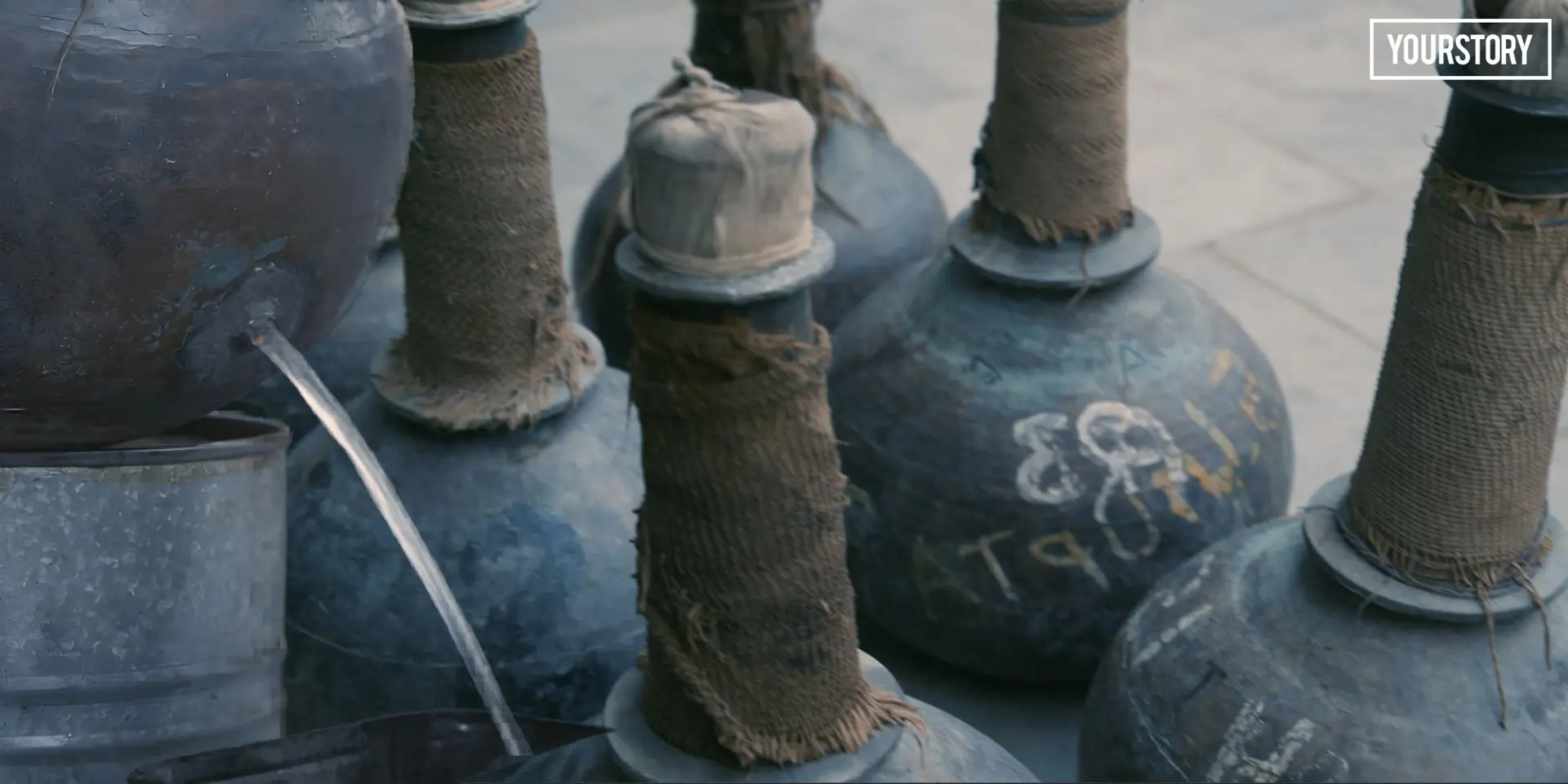

In many places perfume is considered a luxury product, used occasionally and in small quantities. In Kannauj district of Uttar Pradesh, however, fragrance is part of everyday life. Rose water, attar, and floral distillates are widely used in religious rituals, household traditions, cosmetics, and food flavouring. Reflecting this long-standing association, Attar (Itra) is the notified product of Kannauj under the One District One Product (ODOP) programme.
Kannauj’s reputation as India’s “perfume capital” rests on its distillation practices, where flowers are transformed into fragrant extracts through traditional copper-based apparatus. The process centres on the deg-and-bhapka system, where petals are heated in sealed copper vessels known as degs. Through controlled heating and condensation, vapour carrying the essence of flowers is captured and converted into rose water or attar.
Among the enterprises continuing this tradition is Sapna Gupta Enterprises, run by Sapna Gupta, who entered the trade in 2018–19. The enterprise was established with financial assistance of ₹5 lakh under the ODOP programme, which enabled the family to move from learning about the trade to building a working distillation setup.
The process of making attar begins with fresh flowers, most commonly rose and, during certain months, jasmine. Petals are placed into a deg, a traditional copper vessel, along with water. According to Sapna Gupta, a single deg can hold roughly 15–20 kilograms of flowers. Once filled, the vessel is sealed carefully and connected to the bhapka, the receiving apparatus that captures condensed vapour.
Heat is generated beneath the deg using wood or kande (cow-dung cakes). As the mixture heats and begins to boil, vapour carrying the floral essence travels through the apparatus and condenses in the receiver. Depending on the batch and process, this distillation yields either rose water or attar.
At the Kannauj unit, the product range includes rose attar, rose water, and seasonal jasmine attar, while the Odisha facility produces kewda attar, a fragrance widely used in tobacco processing and certain traditional products.
The credit support received through the ODOP programme helped expand the enterprise’s capacity. The assistance also helped the enterprise take initial steps towards wider market visibility, including developing a website.
At present, the business serves domestic markets, with products reaching cities such as Delhi, Kanpur, Lucknow, and Mumbai. For producers in Kannauj, attar remains connected to multiple everyday uses—from religious offerings and personal fragrance to cosmetic and flavouring applications. This diverse demand allows distillation units to continue operating through seasonal flower cycles, sustaining Kannauj’s long-standing identity as a centre of fragrance production.