



Kanpur Nagar’s textile products: Building an export-oriented manufacturing ecosystem
Kanpur Nagar’s textile manufacturing sector is evolving into an export-oriented ecosystem producing safety garments and specialised workwear, supported by industrial expertise and the ODOP programme.

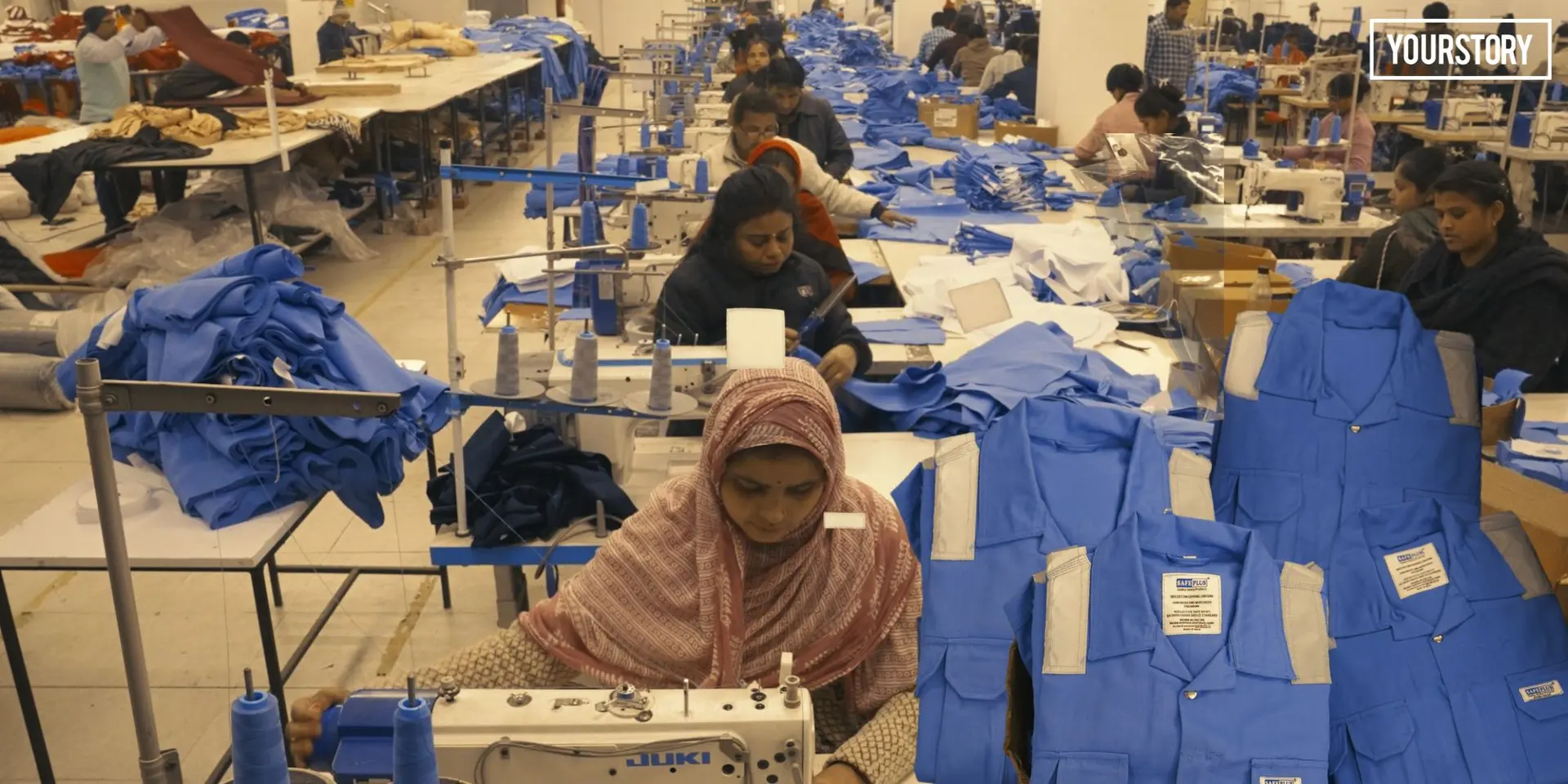

In Uttar Pradesh’s Kanpur Nagar district, textile products have gradually developed into an export-oriented manufacturing segment. Within the district’s industrial landscape, factories are not only producing fabric but converting it into finished items such as workwear and specialised garments designed to meet international buyer specifications.
Unlike conventional textile markets that depend heavily on domestic retail, a large part of Kanpur Nagar’s textile activity is linked to export supply chains. Production lines are structured around consistency and scale, with units managing multiple stages of manufacturing—from sourcing raw materials to cutting, stitching, finishing, and packaging. The final products are prepared for overseas dispatch, reflecting the district’s long association with manufacturing and industrial exports.
Over time, the product focus within several units has evolved in response to changing market requirements. Businesses that earlier manufactured components and accessories gradually expanded into larger textile categories such as safety garments and specialised workwear. This shift reflects the district’s ability to adapt production capabilities according to global demand patterns.
The One District One Product (ODOP) Programme of the Government of Uttar Pradesh has played an enabling role in strengthening this ecosystem. Textile products are among the notified ODOP products from Kanpur Nagar, and the programme has helped manufacturers access financial assistance, structured facilitation, and market exposure through exhibitions and promotional platforms. These interventions have supported capacity expansion and helped units continue investing even during uncertain market conditions.
One such example from the district is an enterprise that grew from early exposure to factory work. Sushil Mohantaku began learning production processes while he was still in college, gaining experience in areas such as metal buckles, casting, electroplating, and finishing. After completing his education, he formally entered the business and gradually developed an export-focused manufacturing setup together with his wife. Over time, the enterprise also became a family-driven venture with the next generation joining operations.
As the business expanded, the product portfolio also evolved. The unit initially manufactured metal buckles and related accessories before moving into non-leather harness and saddlery products. With increasing production capacity and exposure to international buyers, the enterprise eventually diversified into textile-linked manufacturing, particularly safety garments and specialised clothing lines designed for industrial use.
Employment generation has remained a key part of the growth journey. The unit has created opportunities for local workers while also making efforts to include differently abled individuals through community support networks, reflecting the inclusive nature of manufacturing-led development in the district.
Today, textile products form the core of the enterprise’s export activity. Safety garments and workwear manufactured in Kanpur Nagar are supplied to overseas markets where compliance standards and quality consistency are essential. The unit has also expanded into allied segments, including the establishment of a footwear production line with a dedicated technical team.
Export manufacturing, however, requires continuous planning to manage global market fluctuations. International demand cycles often influence production schedules and order volumes. During periods of reduced global demand, the enterprise used the opportunity to invest in strengthening its manufacturing capacity rather than slowing operations.
A major step in this direction was the establishment of a new facility under an MoU-linked project valued at around ₹18 crore. The facility enabled the launch of safety garment production on a larger scale. Financial assistance under the ODOP framework also supported this expansion, including a loan of approximately ₹1 crore that complemented internal investments and helped accelerate the project timeline.
Market connections for export-oriented units often develop through exhibitions and trade interactions. Participation in international exhibitions in Cologne, Germany, as well as domestic industry events in Noida, helped the enterprise establish contacts with overseas buyers. Such engagements eventually translated into export orders, including an order valued at around $30,000 from Italy.
Kanpur Nagar’s textile manufacturing ecosystem demonstrates how industrial capability, export linkages, and policy support can work together to build resilient production clusters. By maintaining flexible manufacturing systems and continuing to invest during slower demand cycles, units in the district are able to respond quickly when global markets recover—ensuring that production and exports can scale without disruption.