


Wooden furniture in Pilibhit: A workshop trade shaped by material, process, and finish
From mandirs to modular interiors, Pilibhit’s furniture trade blends traditional carpentry with modern finishing techniques to deliver customised, market-ready products.

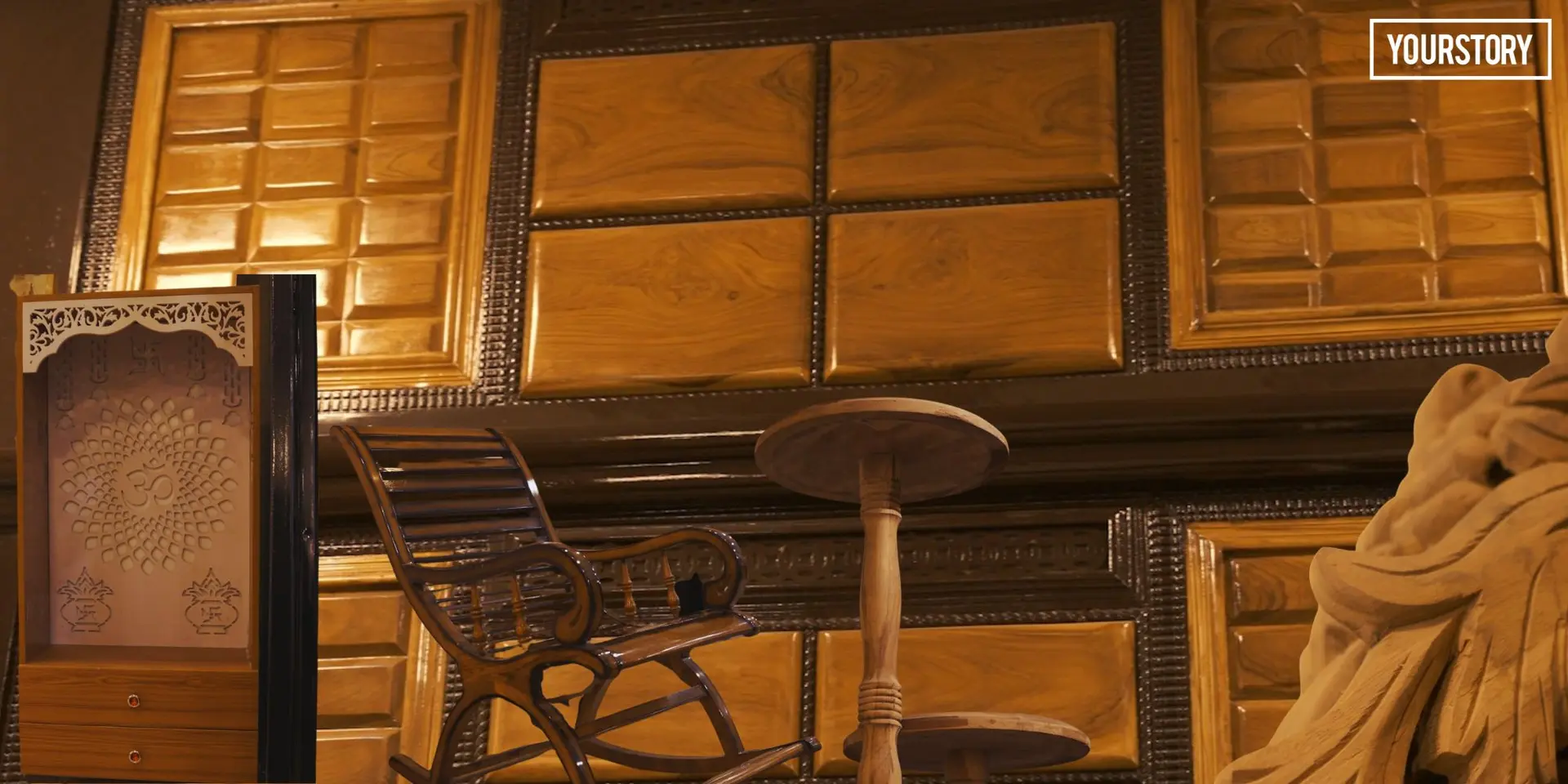

In Uttar Pradesh’s Pilibhit district, wooden furniture moves through demand driven by household use, religious furnishings, and the gradual expansion of modular interiors. Beds, wardrobes, kitchens, mandirs, office furniture, and other domestic products are often built against specific client requirements rather than as standard retail stock. In this segment, demand sustains when units are able to combine workable pricing with consistent finishing and timely delivery.
The ecosystem here is structured around workshop-based production. Raw wood and board-based materials are sourced largely from nearby suppliers and then taken through a sequence of carpentry, surface preparation, polishing, packing, and dispatch. Practitioners point to the relative availability of wood in and around Pilibhit as a key advantage, allowing units to source material locally and maintain shorter production cycles.
Under Uttar Pradesh’s One District One Product (ODOP) framework, wooden furniture units in Pilibhit have gained access to a more defined support system through project-based assistance, including working capital, subsidy support, and guidance for expanding into institutional platforms such as GeM.
Mohammad Maroof Malik, who runs Malik Furniture, represents a unit built on a family foundation laid by his father, Mohammad Afroz Malik. Over time, the business has expanded into a more organised workshop setup, catering to both household and commercial furniture requirements.
According to Malik, the process begins with material procurement, followed by design planning based on customer requirements. Carpenters then build the structure and base framework of the product. From there, the piece moves into subsequent stages depending on the design—laminate work, painted finishes such as duco or PU, or the addition of stone elements where specified.
Specialised teams handle each stage. A painting team works on surface finishes, while stone workers contribute where designs require additional elements. Once these processes are completed, the product is polished, carefully packed, and prepared for dispatch. As Malik notes, the final quality depends on how seamlessly each stage is executed and handed forward within the workshop.
The unit operates with a regular team of around 10 to 15 people, including carpenters, painters, polishers, packaging staff, and transport workers. Among the product range, wooden mandirs continue to see steady demand, driven by detailed craftsmanship and finish quality. At the same time, the unit is gradually expanding into commercial and office furniture, where orders are larger and supply-driven.
In Pilibhit’s wooden furniture trade, the production rhythm is defined by how well material sourcing, workshop coordination, and finishing processes align with the client brief. When this alignment holds, small units are able to move from individual household orders toward larger commercial supply while maintaining consistency in quality.