



Zari-Zardozi in Lucknow: Crafting Value Through Precision Embellishment
With rising demand across India and international markets, zari zardozi embroidery is transforming traditional garments into premium products driven by skilled artisans and strategic design planning.

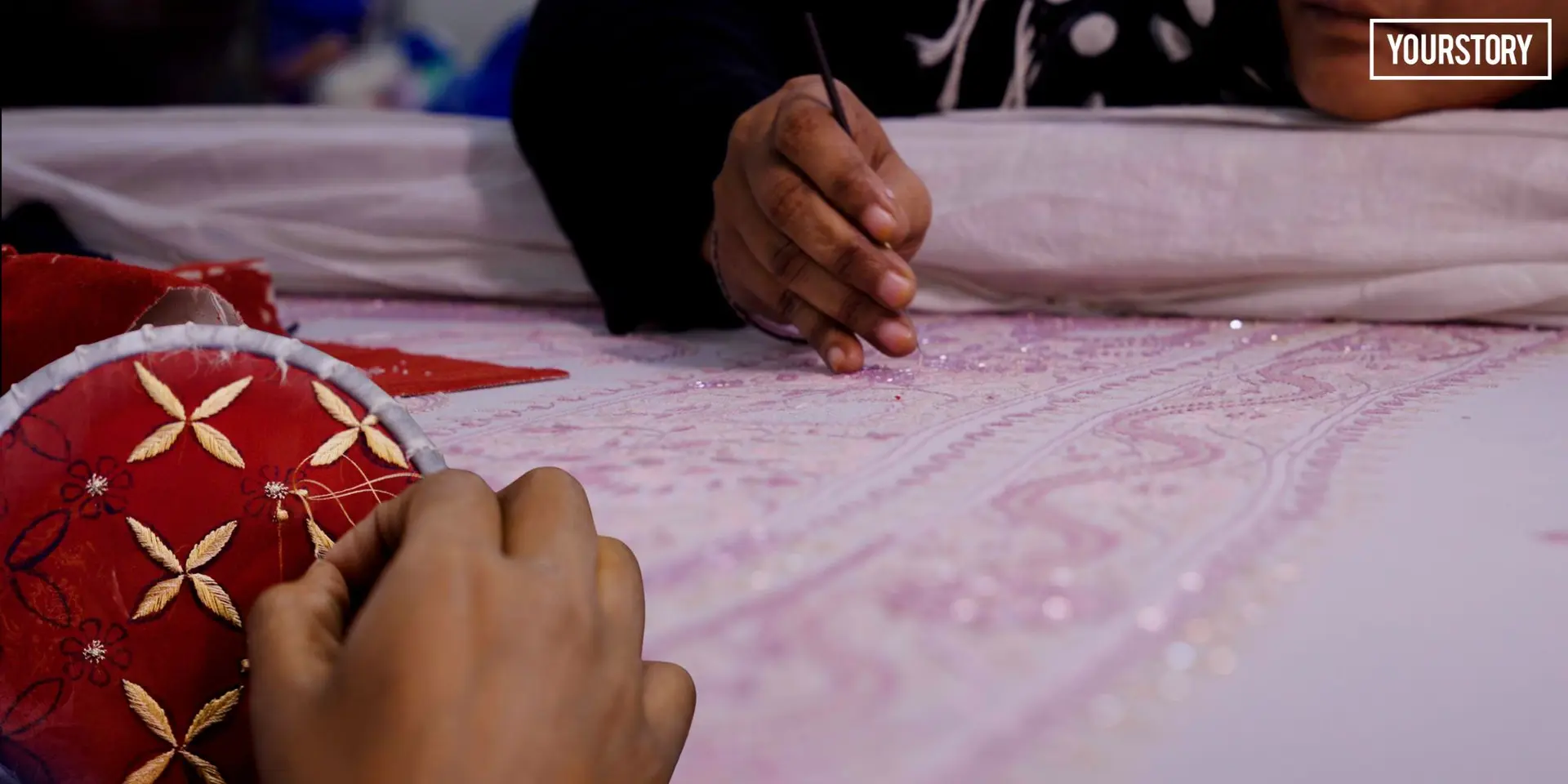

In the landscape of occasion wear, wedding ensembles, and luxury gifting, zari-zardozi embroidery plays a defining role in elevating garments from everyday attire to high-value creations. Intricate detailing using metallic threads, glass beads, sequins, and hand-placed motifs introduces texture, depth, and luminosity—qualities that significantly influence buyer preference and pricing.
In Lucknow, Uttar Pradesh, zari-zardozi has emerged as a vital layer within the district’s textile ecosystem. Often applied over chikankari garments, this fusion creates products positioned firmly in the premium and occasion-wear segment, blending traditional craftsmanship with contemporary aesthetics.
The production process is both layered and time-intensive. Zardozi work is typically undertaken at the final stage of garment production, following cutting, stitching, printing, and base embroidery. At this stage, material selection becomes critical—glass beads are preferred over plastic for durability, while high-quality zari threads ensure resilience through washing and long-term use. Precision in execution is equally essential; any compromise can diminish the garment’s value rather than enhance it.
Under the One District One Product (ODOP) Programme framework, zari-zardozi is a notified product of Lucknow, enabling artisan clusters and organisations to access structured support, including exhibitions, branding, and institutional market linkages.
Among those contributing to the sector’s evolution is Khushboo Rastogi, founder of the Devi Foundation. A second-generation practitioner in the embroidery trade, she trained at the London College of Fashion and Polimoda before launching her brand in 2016. Established in 2021, the foundation works closely with artisans across Lucknow, providing training in zardozi techniques while linking skill development directly with production opportunities.
Rastogi notes a clear shift in design direction within Lucknow’s zari-zardozi ecosystem. Traditional heavy gold and silver threadwork is increasingly complemented by pastel palettes, lighter fabrics, and refined beadwork suited to contemporary tastes. “Each trend is studied, adapted, and translated into motifs that artisans can execute,” she explains, highlighting the integration of fashion forecasting into grassroots production.
Design planning begins nearly a year in advance, with research on colours, silhouettes, fabrics, and embellishment trends. These insights are translated into workable patterns, ensuring artisans can maintain consistency and quality during execution. With production cycles extending up to six months, timely design decisions are critical to preserving detailing standards.
The market for Lucknow’s zari-zardozi extends across major Indian cities such as Delhi, Mumbai, Bengaluru, Hyderabad, and Kolkata, with increasing demand from tier-two cities. Internationally, buyers from the UK, Japan, France, Italy, Spain, Switzerland, Malaysia, and the Maldives continue to engage with this craft, reflecting its growing global appeal.
At its core, the value of zari-zardozi lies in the precision of embellishment—the placement of each bead, the strength of each thread, and the consistency of handwork. When material quality, design planning, and artisan skill align, zardozi transforms garments into high-value products that command premium pricing and sustained market demand.