



BigEndian Semiconductors bags $6M led by IAN Alpha Fund
BigEndian said the funds will be used to commercialise its first SoC, expand product engineering and deepen partnerships with foundries, IP ecosystems and OEMs.

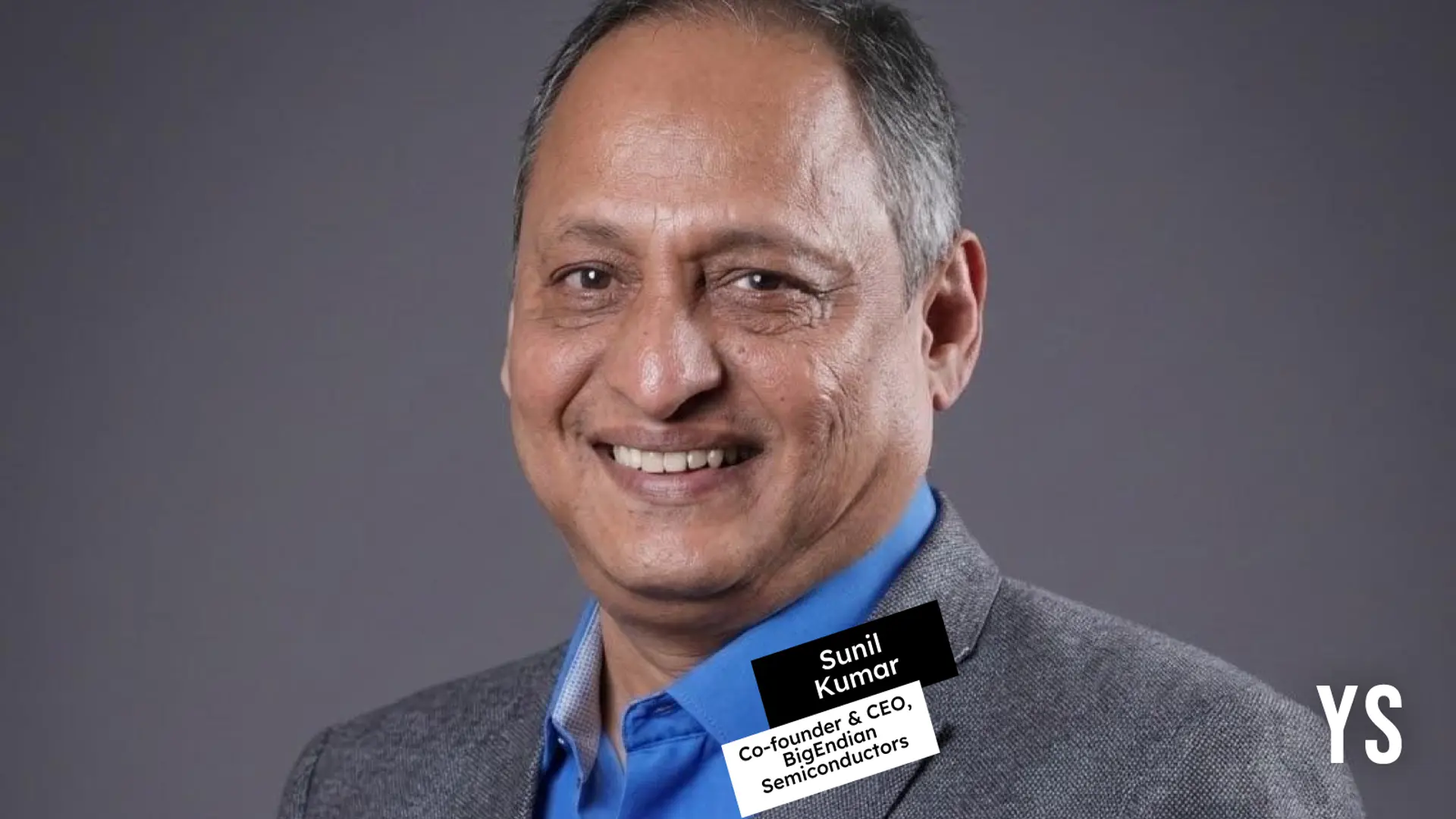

BigEndian Semiconductors, a Bengaluru-based fabless startup that designs system-on-chips, has raised $6 million in pre-Series A funding. The round was led by IAN Alpha Fund, with participation from Vertex Ventures SEA & India, IvyCap Ventures and angel investors.
BigEndian said the funds will be used to commercialise its first SoC, expand product engineering and deepen partnerships with foundries, IP ecosystems and OEMs.
The semiconductor startup noted that it has already completed tape-out of its first commercial chip, with tape-out meaning the final hand-off of a chip design to manufacturing.
That matters because semiconductor startups can spend years moving from design to silicon, and each successful tape-out reduces execution risk for customers and investors.
Co-founder and chief executive officer Sunil Kumar said, “Raising capital in semiconductors is never about the money alone.” He added that the funding validates the company’s approach to “building silicon the hard way”.
BigEndian is a fabless company, meaning it designs chips but does not own a fabrication plant. Instead, it works with manufacturing partners. The startup is focusing on secure silicon for surveillance, telecom, IoT and enterprise systems, with what it calls a security-by-design approach that combines hardware and software from the start.
The company said it is also working on next-generation secure Vision Edge AI architectures, which means chips that can run AI tasks on the device itself rather than sending everything to the cloud.
The fundraise comes at a time when the wider semiconductor industry is being reshaped by AI. Deloitte has noted that chip sales are set to rise, driven by generative AI and data centre build-outs, even as PC and mobile demand remains softer. IDC is even more bullish, forecasting the global market will pass $1 trillion in 2026, with AI infrastructure driving the surge and edge AI creating fresh demand beyond the data centre.
The market is moving away from broad, one-size-fits-all chips towards more specialised silicon built for specific workloads and power budgets.
India is trying to capture more of that shift. In the Union Budget 2026-27, the government announced India Semiconductor Mission 2.0 with a provision of Rs 1,000 crore for the year. On the design side, India is quietly building strength that may matter as much as factories. The Design Linked Incentive scheme currently supports 24 semiconductor design startups.
Earlier announcements this year noted that 10 projects had already been approved with about Rs 1.6 lakh crore in investment. Pilot production has begun in four units, and more commercial shipments are expected soon. The Union Cabinet has also approved two more semiconductor units with cumulative investment of more than Rs 3,900 crore, further expanding the pipeline.
BigEndian is not the only Indian chip startup attracting capital. In February, Vervesemi announced a $10 million Series A led by Ashish Kacholia and Unicorn India Ventures, while C2i Semiconductors raised $15 million from Peak XV Partners. The pattern suggests that investor interest is widening from software into deeptech businesses that need more patience, more capital and longer product cycles.
Rajnish Kapur of IAN Alpha Fund said the semiconductor landscape is moving from “scale to specialisation”, while Ben Mathias of Vertex Ventures SEA & India noted BigEndian had taped out a chip in “record time”.
This highlights the current logic of the sector. The opportunity is no longer just to design chips in India, but to build credible products that can move from lab work to production, and from domestic relevance to global use.
Edited by Megha Reddy