




Mastercard
View Brand PublisherInside the quiet rise of India’s women entrepreneurs
From tailoring units and pickle businesses to local canteens, women across India are building sustainable enterprises through digital access, mentorship, and community-driven support.


On most mornings in a village on the outskirts of Pune, Komal Londe’s day began with the soft hum of her sewing machine. At 27, she was already familiar with hard work and tight budgeting. Stitching blouses from a small corner of her home brought in a modest income of Rs 3,000 to Rs 4,000 a month. But Komal wanted more than survival. She wanted stability, self-reliance, and a sense of control over her future.
What she did not yet have was a roadmap: how to scale, how to reach customers beyond her immediate network of extended family and friends, or how to use digital tools that ensure access to newer markets. Like millions of women across India, aspiration wasn’t a constraint for her; access was.
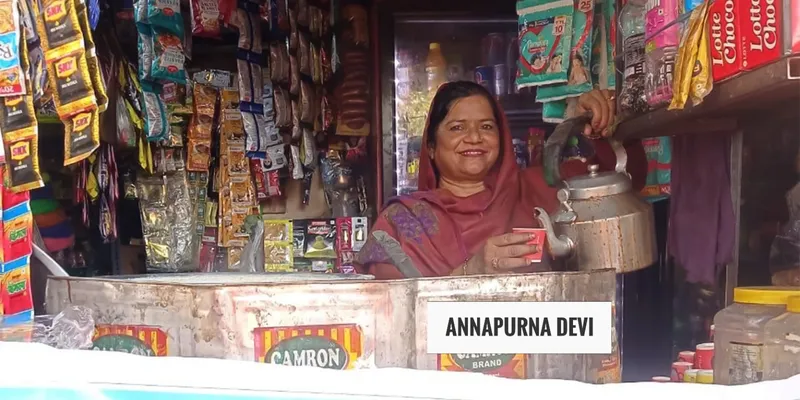
More than a thousand kilometres away in a crowded neighbourhood of Delhi, Annapurna Devi faced a different but deeply familiar struggle. Her household was burdened by long-standing debt, leaving little scope for experimentation or reinvention. Though she dreamed of starting a venture to obtain financial freedom and help her family, she hadn’t yet got the right opening. Let alone lenders, even her husband was wary: what if she is not able to repay her loan? But Annapurna knew that without a source of independent income, the cycle of dependence and debt would continue.
These stories are reflections of a larger reality. Across India, women, particularly those from low-income and informal backgrounds, carry the dual burden of running households while navigating structural barriers to both employment and entrepreneurship. Limited literacy, lack of access to credit, digital exclusion, and entrenched social norms often conspire to keep them at the margins of the economy.
Building new pathways
In recent years, a growing number of grassroots initiatives have focused not just on encouraging women to start small businesses, but on equipping them with the capabilities required to sustain and grow them. One such collaborative effort is the SASHAKTI program, launched by Mastercard in collaboration with Learning Links Foundation in 2022, to support grassroots women entrepreneurs.
Recently recognized as the Best CSR Program by the Government of Maharashtra at TechMahaImpact 2026, the initiative has reached over 82,000 women across seven states, including Maharashtra, Delhi, Uttar Pradesh, Chhattisgarh, Gujarat, Telangana, and Karnataka. Its approach moves beyond one-time financial assistance to combining structured training in financial and digital literacy, business planning, market access, and ongoing mentorship.
“What we often underestimate is that women already bring extraordinary resilience and entrepreneurial instinct to the table. The real gap isn’t capability, it’s access to sustained support, skills and networks. When those pieces come together, women-led enterprises don’t just start up, they endure,” notes Gautam Aggarwal, President, India & South Asia, Mastercard, who has closely observed the initiative's impact.
When training meets trust
For Komal, the turning point came in 2024 when she gained access to structured training sessions. For the first time, she was introduced to digital marketing, WhatsApp Business accounts, and the idea that social media could be more than entertainment. Encouraged to rethink her skills through a market lens, she quickly pivoted from blouse stitching to designing traditional Maharashtrian nose rings, or nath. Leveraging a small grant, she strategically invested in quality raw materials.
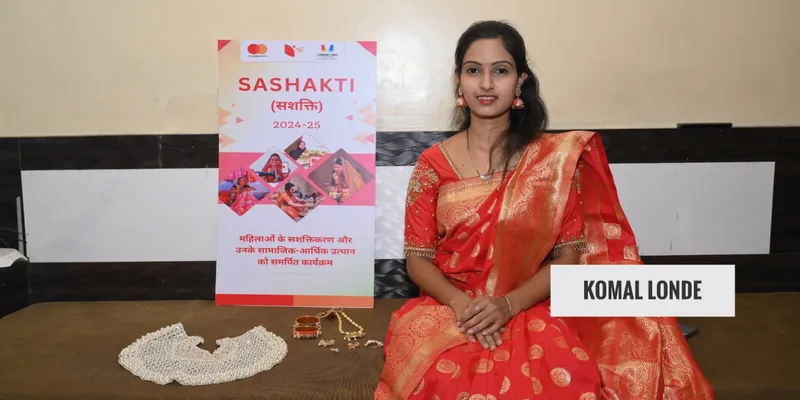
What followed was a rapid transformation driven by her own hard work: intricate designs, steady online promotion, and growing demand. Within months, she was not only selling jewellery but also conducting training sessions for other women in her community. Komal’s income rose by Rs 6,000 to Rs 7,000 a month. More importantly, she gained the confidence to operate like a business owner, a trainer, and a key contributor to her family’s financial decisions.
Down South in Hyderabad, Shahjahan Begum’s story took shape in a kitchen filled with aromas of home-ground spices and traditional pickle recipes. With a household income of Rs 7,500 a month from her husband’s autorickshaw earnings, every expense required careful calculation.
Attending capacity-building sessions under the SASHAKTI program in early 2024 helped Shahjahan view her culinary skills as a powerful economic opportunity. She learned about branding, packaging, costing, and customer outreach. With a modest grant acting as a catalyst, she took charge of her production. Starting small, she relied on word-of-mouth and her newly acquired social media skills to build a loyal customer base.
Today, she sells nearly 150 packets of pickles every month, earning around Rs 9,000, and has achieved something deeply symbolic: she now brings home more income than her husband.
For Annapurna, guidance was just as crucial as funding. Armed with tailored mentorship and her own fierce determination, she navigated loan applications and set up a small canteen. The early days were physically demanding, but her persistence paid off. Her venture now earns between Rs 25,000 and Rs 28,000 a month. Just as significant is the shift in power dynamics at home. She no longer needs permission for small expenses and actively contributes to major decisions, and to dreams that extend well beyond debt repayment.
“The stories of these women are not just encouraging; they are deeply inspiring. They reflect the transformative power of intent, digital innovation, and the right direction, showing how right opportunities can truly change lives,” Gautam Aggarwal says.
From micro units to engines of employment
Government and industry data point to a major shift in India’s entrepreneurial landscape. The Udyam platform has recorded over 30.7 million women-led enterprises established as of February this year, underscoring the scale at which women are driving enterprise creation across the country. This momentum is mirrored in the credit ecosystem, where women now account for 26% of total system lending, with outstanding credit to women expanding nearly five-fold since 2017.
The outcomes of this momentum are already visible on the ground. A sizable percentage of women who started enterprises under the SASHAKTI initiative recovered their initial investment within months, demonstrating the power of market-relevant planning when placed in capable hands. On an average, these participating ventures generate monthly profits of nearly Rs 8,000, with a rare few reaching up to Rs 70,000. These earnings translate directly into improved household outcomes, from children’s education to reinvestment into the businesses.
Equally transformative is the focus on digital and financial literacy. Participants gain hands-on experience with digital payments, fraud prevention, mobile banking, and government schemes. They learn to balance savings with reinvestment, navigate credit responsibly, and plan for risk. Importantly, the program allows women to learn these skills from the comfort of their homes.
“By mastering these critical digital and financial tools from their homes, these women are doing much more than claiming their own independence,” explains Dr Anjlee Prakash, Chairperson, Learning Links Foundation. “Over the past four years, we have seen these entrepreneurs confidently evolve from seeking livelihoods to actively building enterprises that empower and employ others within their communities.”
Perhaps the most striking marker of long-term impact is employment generation. Over 42% of the supported enterprises have grown to a stage where these women are now employing others, often lifting up peers from within their own communities.
Celebrating growth, looking ahead
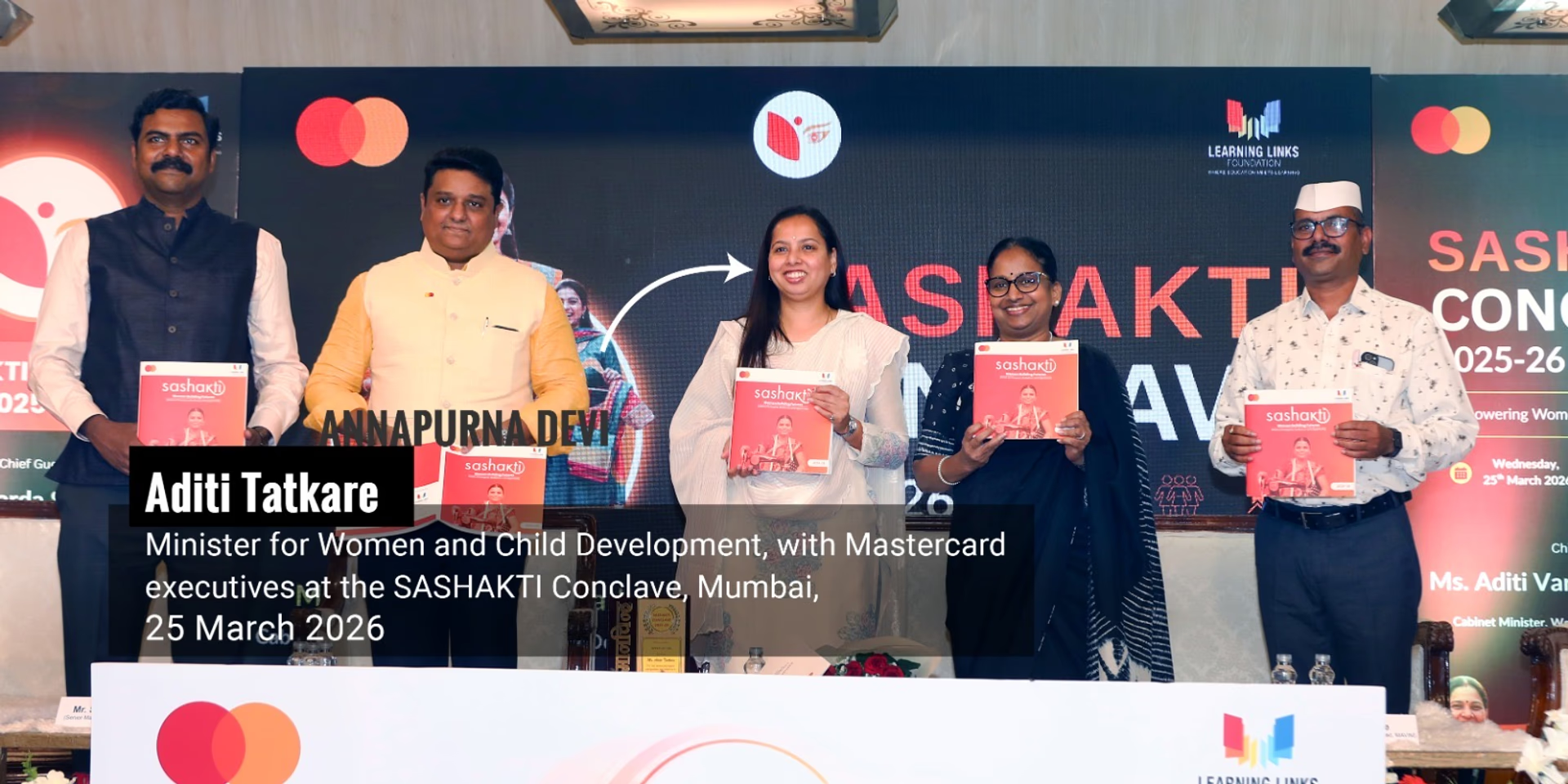
The success stories from the program were celebrated at the SASHAKTI Conclave held in Mumbai on March 25. The gathering brought together the true heroes of the initiative, the women entrepreneurs themselves alongside partners and policymakers, including Ms Aditi Tatkare, Minister of Women and Child Development, Government of Maharashtra.
Reflecting on her firsthand observations of the women's entrepreneurial ventures, the minister noted, “When we provide women with practical support like machinery and grants to scale their enterprises, we ensure sustainable livelihoods. Seeing these women claim their financial independence is a powerful reminder that inclusive growth begins at the grassroots.”
Rewriting the narrative
What emerges from these stories is not just economic upliftment, but a rewriting of identity. When women gain access to capital, skills, and supportive networks, they don’t merely start businesses, they reclaim their agency.
“Empowering women at the grassroots fuels far more than household resilience—it drives national transformation. With the right support, women entrepreneurs are demonstrating the scale of economic impact they can create. They are generating livelihoods, strengthening communities, and powering sustainable growth. In doing so, they are not just contributing to India’s progress but actively bringing the vision of a Viksit Bharat to life,” Gautam Aggarwal concludes.