



Aum Ventures launches second fund with target corpus of Rs 750 Cr
The new fund aims to invest in 25-30 deeptech startups at the pre-seed and seed stages of funding.

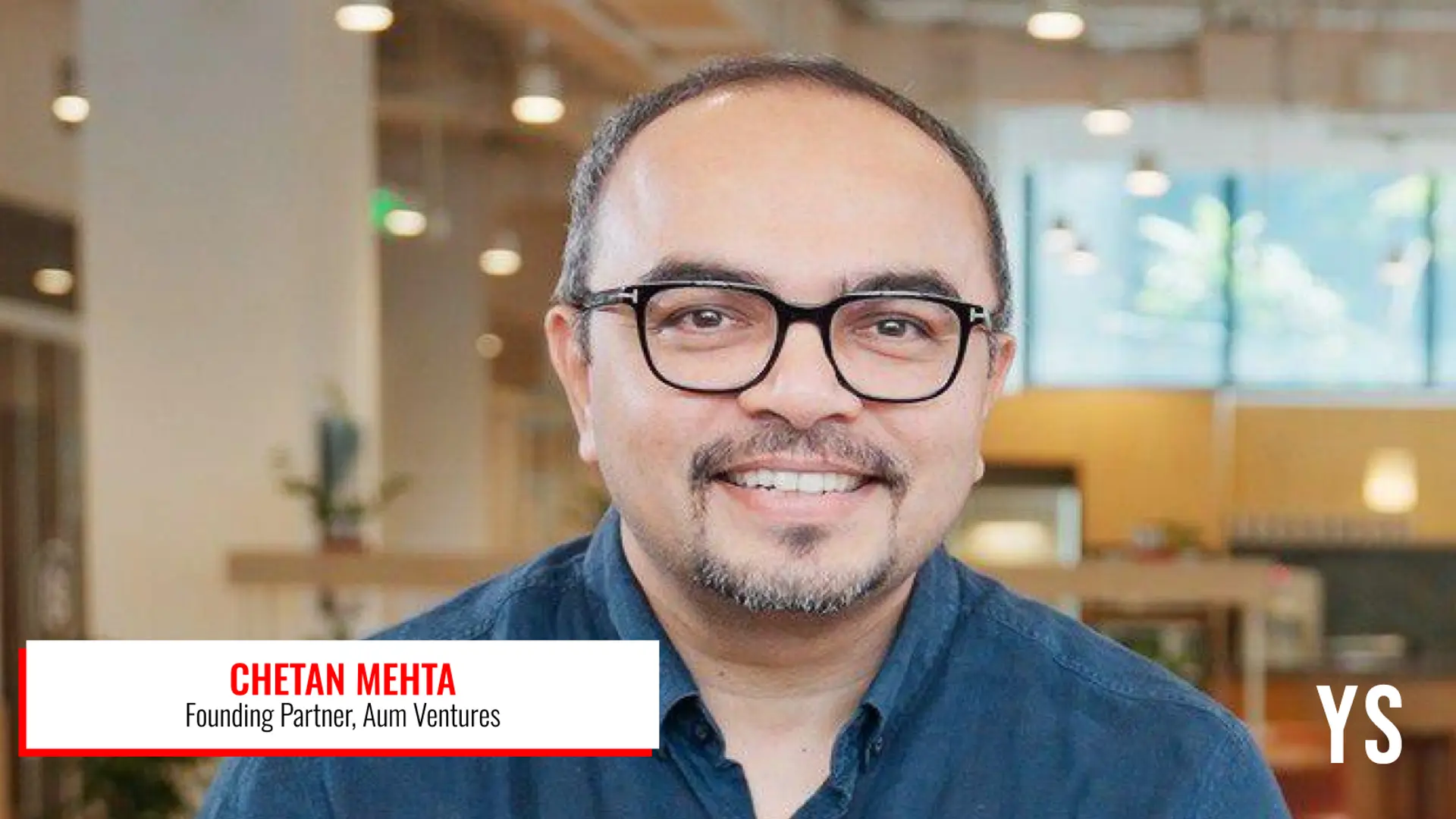

Early-stage venture capital firm Aum Ventures has launched its second fund with a target corpus of Rs 750 crore as it looks to continue backing deeptech and IP-led startups in the country.
The new fund will primarily invest at the pre-seed and seed stages of funding with initial cheque sizes ranging from $750,000 to $2 million and then provide follow-on capital up to Series A/B stages. Over its lifecycle, Fund II is expected to support 25–30 startups.
The second stage will invest in segments of spacetech, semiconductors, AI and other frontier tech sectors.
"India is at a unique inflection point where policy support, talent, and capital availability are converging to create unprecedented opportunities for DeepTech and innovation," said Chetan Mehta, Founding Partner, Aum Ventures.
Founded in 2022, Aum Ventures has deployed around $30 million across 24 early-stage startups. It portfolio include Skyroot Aerospace, Cosmoserve Space, Sanyark Space, Azimuth AI, and Sharang Shakti.
Aum Ventures believes that IP/tech businesses need to be evaluated on their ability to compete globally from the very beginning and have to be nurtured accordingly. The firm has built a team of strategic global advisors across core sectors suhc as semiconductors, aerospace and defense, spacetech,, and AI.
The VC firm has appointed Nisha Shah as a General Partner for Fund II. Shah had earlier held leadership positions at a large family office and has worked for venture capital and private equity firms.
According to the firm, India's deeptech ecosystem is witnessing strong momentum, driven by several structural tailwinds. The government is prioritising internalising strategic technologies and reducing dependence on external supply chains, creating new opportunities for Indian innovation.
India has one of the world's largest STEM talent pools, demonstrates strong capital efficiency and developing technologies at 5–10x lower cost than global peers.