



Byju Raveendran gets temporary relief after Singapore High Court grants stay
Singapore’s High Court has stayed the committal and surrender provisions of a civil contempt order against Byju Raveendran, pending his appeal against the finding.

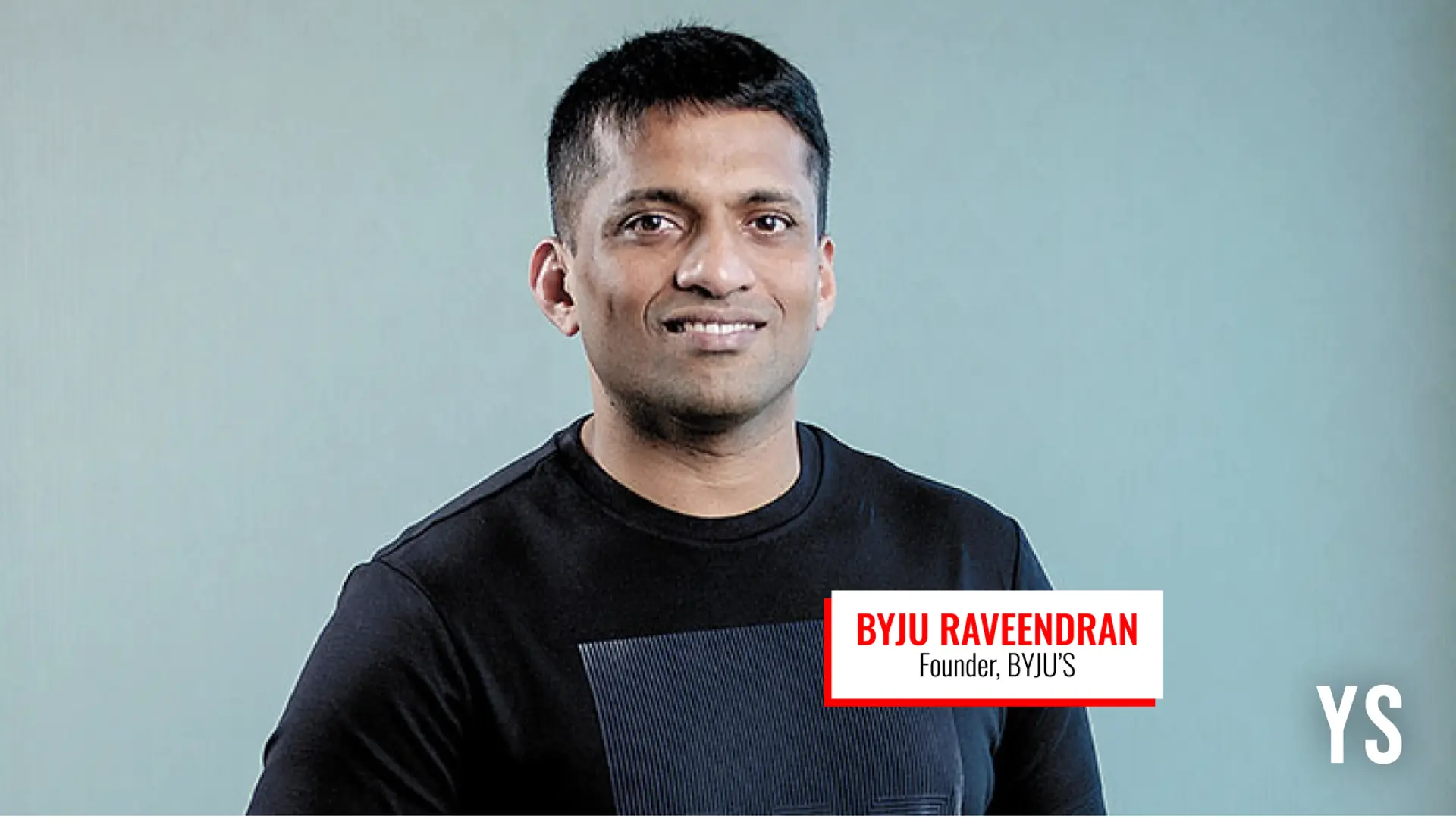

BYJU’S founder Byju Raveendran has received temporary relief in Singapore, but the legal fight around him is still very much alive.
In a statement, his lawyers said the High Court had stayed the committal and surrender parts of a civil contempt order, so he is not required to surrender and no prison term is now taking effect while an appeal moves ahead.
J Michael McNutt, senior litigation adviser to Raveendran and the founders, said, “There was an absolutely incorrect public narrative created post the selective verbal leak of the earlier order by the Singapore Court falsely claiming an arrest warrant had been issued against Mr. Raveendran.”
According to the statement, no arrest warrant was ever issued, and the earlier order would only have required Raveendran to appear on June 15.
In May, Raveendran planned to appeal a Singapore contempt order tied to a loan dispute involving the Qatar Investment Authority, with his lawyer arguing that the matter arose from an allged default on a loan that Raveendran had guaranteed.

BYJU’S had become one of India’s prominent edtech names during the pandemic, reaching a valuation of $22 billion in 2022 before financial trouble deepened.
The contempt finding is confined to contested disclosure obligations in ongoing arbitration and related court orders, not to any criminal case, according to the statement.
A civil contempt finding is about alleged disobedience of a court order rather than a charge of fraud or theft. The company’s lawyers used that point to argue the case has been misunderstood.
Raveendran said, “I welcome the stay granted by the Singapore Court. At a time when parties have been engaged in settlement discussions, it is unfortunate that a misleading impression of wrongdoing is being created.”
He also asserted neither he nor the founders personally received any of the disputed funds. That claim is part of a wider dispute that remains contested, and the Singapore matter sits inside a broader web of debt, insolvency and investor litigation around BYJU’S and its founder.
For now, the stay changes the immediate pressure but not the direction of things. It removes the near term threat of surrender, yet it does not resolve the appeal or the underlying quarrel over disclosure, guarantees and debt.
The Singapore decision can be seen as less an ending than a pause in a much larger and still evolving legal and commercial tussle.