



Padma Awards 2026: the classical artists keeping the traditions alive
From Carnatic and Hindustani music to classical dance, Padma Awards 2026 recognised artists who have spent decades preserving India’s cultural traditions.

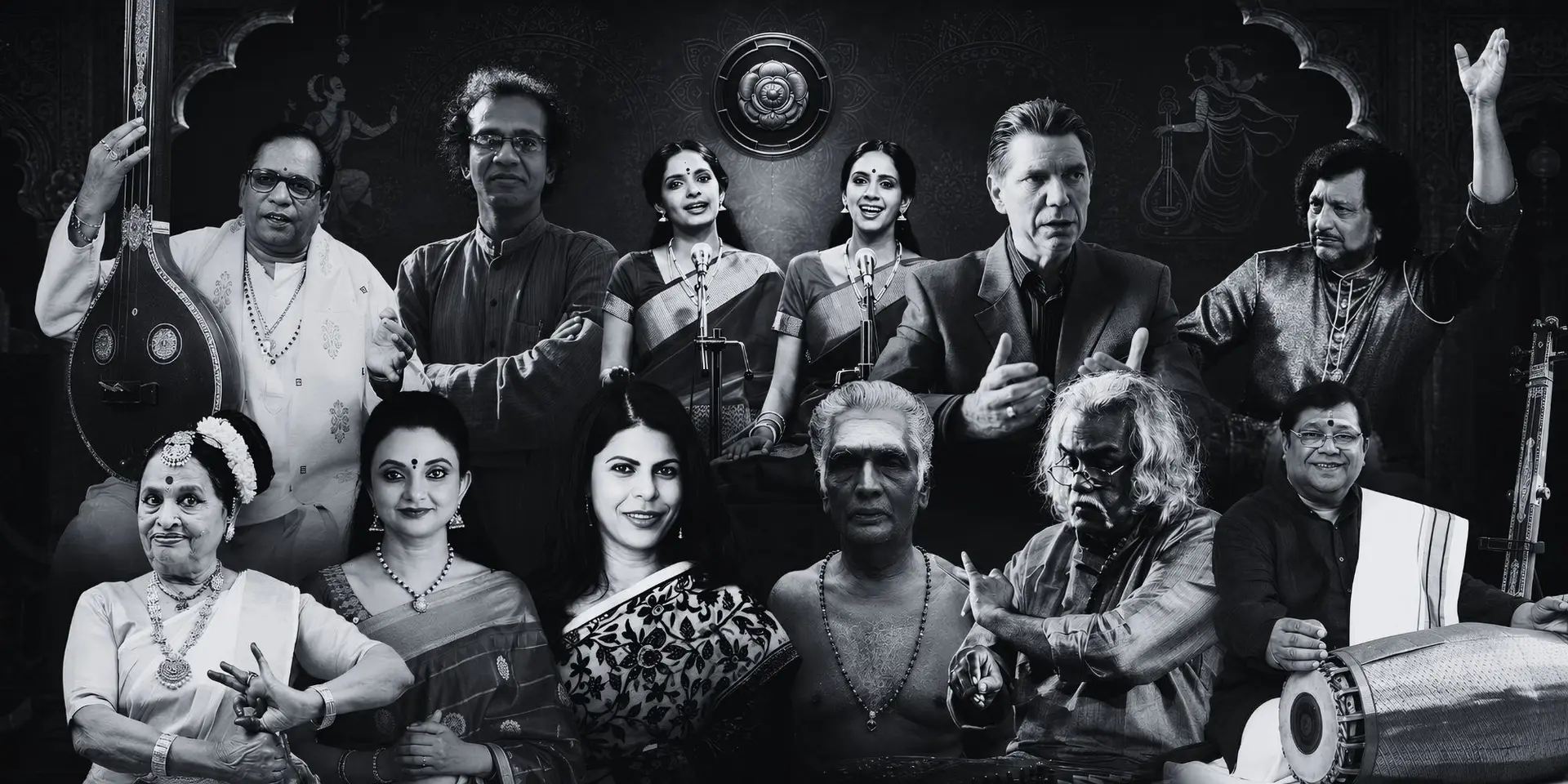

The Padma Awards 2026 once again honoured a group of artists who have devoted their lives to India's classical traditions, in music and in dance. Recognised in the field of art, these performers represent forms that are passed down over decades of practice, and their inclusion reflects the awards' consistent attention to the custodians of classical culture.
The honourees this year span Carnatic and Hindustani music and several classical dance forms, drawn from across the country.
The classical honourees
Among the better known names, the Carnatic vocal duo of Ranjani and Gayatri Balasubramanian from Tamil Nadu were honoured together as a duo for their work in classical music. Tarun Bhattacharya, the santoor exponent from West Bengal, and Kumar Bose, the noted tabla player, were also recognised, as was Shatavadhani R Ganesh of Karnataka, known for his command of the classical Avadhana tradition.
In dance, Kalamandalam Vimala Menon of Kerala was honoured for her contribution to classical dance, and Deepika Reddy of Telangana for her work in the classical dance tradition. The list also includes Garimella Balakrishna Prasad of Andhra Pradesh, honoured posthumously, Othuvaar Thiruthani Swaminathan and Thiruvaarur Bakthavathsalam of Tamil Nadu, Tripti Mukherjee of West Bengal, and the German scholar of Indian music Lars-Christian Koch, recognising the reach of these traditions beyond India's borders.
Why classical forms keep being honoured
For readers who wonder why so many classical artists appear on the Padma lists each year, the answer lies in how these forms survive. Classical music and dance in India are sustained by lineages, with knowledge handed directly from teacher to student over many years.
Recognising senior practitioners is, in part, a way of valuing that chain of transmission. The honour acknowledges not only an individual's artistry but their role in keeping a tradition alive and passing it to the next generation. In a fast changing cultural landscape, that continuity is itself treated as a distinguished service.
These honourees, several of them now in the later stages of long careers, stand as a reminder of the depth of India's classical heritage, and of the patient, lifelong work that keeps it from fading.