



The real EV revolution begins after the vehicles are sold
The next phase of India's electric mobility journey will be defined less by vehicle launches and more by ownership confidence. From charging convenience and battery health to aftersales support and resale value, a robust ecosystem is essential to turning first-time EV buyers into lifelong adopters.

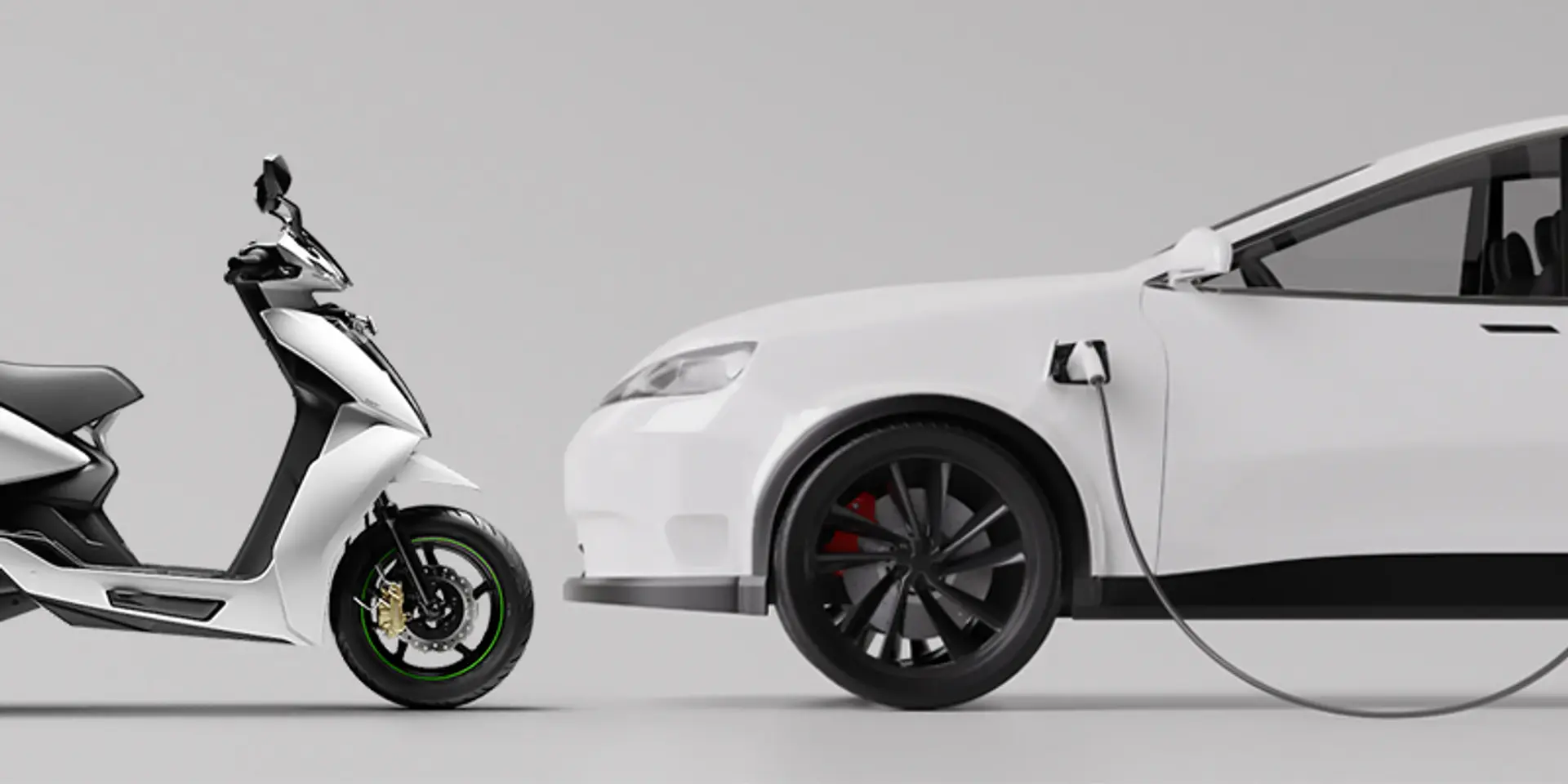

The conversation around electric vehicles in India has largely focused on the sales numbers, government incentives, and new EV’s hitting the market. Though, these are good indicators of progress but they do not fully reflect the picture.
The actual EV revolution starts once the car has been sold. The purchase of an EV is only the first step, the real test begins when the EV has become a part of everyday life.
As India's EV ecosystem matures, it is becoming evident that the easiest decision is the purchase of an EV; the harder one is living with it, which will influence long-term adoption. The issues of charging convenience, service support, battery performance, and resale value are fundamentally what will decide whether consumers will confidently take to electric mobility.
So, the success of the EV industry in India will largely rely on promoting not only the sale of EVs, but also a reliable ownership ecosystem.
The next challenge is ownership confidence
The industry has been about finding solutions to range anxiety for years. Modern battery technology is vastly advanced and for many urban drivers their needs for a day's journey are easily covered by an EV. But another challenge which has arisen is confidence in ownership.
Consumers are making choices that impact in the long-term. They are looking for reassurance that costs of maintenance will be predictable, charging will be available and battery performance will not diminish over time. Value for the middle-class doesn't just happen at the purchase, for the Indian middle class, it is a cumulative phenomenon over the years. This confidence is now critical to make the next step in EV adoption.
Infrastructure is more than charging stations
Experience has proven that convenience is what makes a difference in adoption, not technology. Charging issues and poor aftersales service can overshadow the strengths of even the best vehicles.
Therefore infrastructure needs to be considered beyond the installation of charging stations. There is also a need for the digital battery health monitoring, predictive maintenance, clear and transparent service networks, financing solutions, insurance products, and better resale mechanisms in the EV ecosystem.
One parallel to the evolution of digital payments is very interesting. It took the simplicity, reliability, and trustworthiness of the ecosystem for adoption to gain momentum. The same trajectory is expected to be followed by electric mobility when it becomes convenient to own, without being cost prohibitive.
Addressing the battery question
While today's batteries are engineered to last a long time, replacement is still one of the main concerns of potential EV buyers. Consumers need better information about degradation patterns, warranties, refurbishment and recycling and second-life use of the industry.
Another important aspect is standardized battery health certification. The way history affects the value of a used car can be applied to the used EV market; clear reporting about the health of the battery can help build trust and confidence in the market for used EVs, and lower the uncertainty for first-time buyers.
The goal isn't about simply putting consumers at ease, it would be more about establishing systems that would make long-term ownership predictable and affordable.
The next EV economy will be built beyond vehicles
There is a great deal more to the business of EVs than simply car manufacturing. The future generation of innovation will come in the form of charging infrastructure, battery life management, energy management systems, financing models and digital services that help with the ownership process.
Government programs like PM E-Drive are generating momentum: Infrastructure, and increased adoption. But, without policy, there will not be a mature ecosystem built. Industry, technology providers, financial institutions and policymakers need to work together in order to ensure sustainable growth.
Success of EVs in India should be judged on the number of consumers who make a second purchase of another EV after their initial one. It will be the decade that the industry works on making EVs the best thing to own; it has been years of convincing people to buy electric vehicles and now it's time for the industry to make it the best thing to own.
This is the real EV revolution, and it starts with ease of ownership, reliability and trust.
(Abhinav Kalia, Co-founder & CEO, ARC Electric)
(Disclaimer: The views and opinions expressed in this article are those of the author and do not necessarily reflect the views of YourStory.)