



Delhi government notifies Delhi EV Policy 2026
Under its EV policy, the Delhi government announced that all electric cars with an ex-showroom price of Rs 30 lakh or less registered in the National Capital will get full exemption on road tax and registration fees.

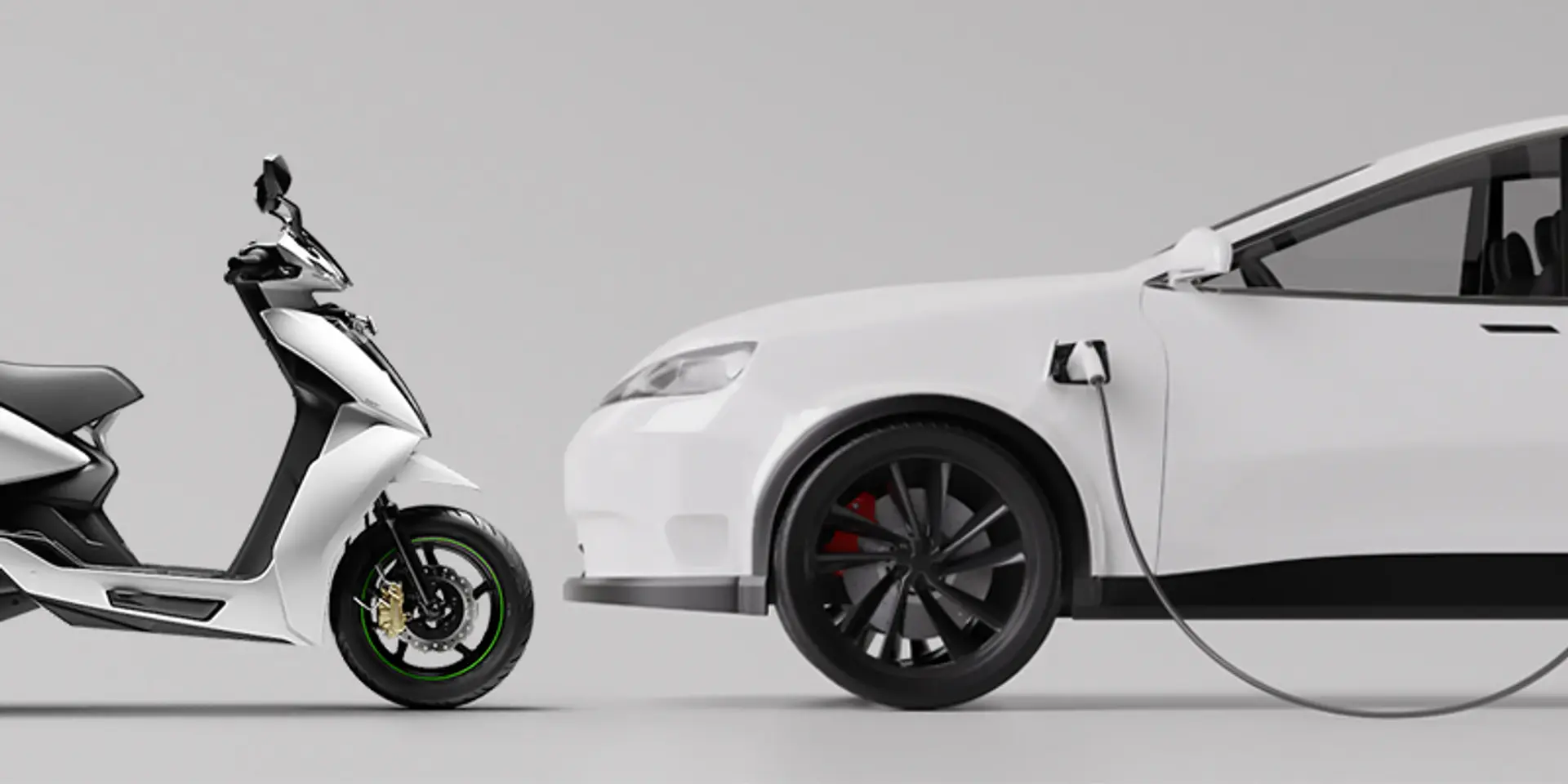

The Delhi government on Wednesday notified the "Delhi Electric Vehicles Policy 2026", which aims to accelerate electric vehicle (EV) adoption, improve air quality, and create a supportive ecosystem for electric mobility.
The Delhi Cabinet headed by Chief Minister Rekha Gupta on Monday approved the EV policy, after which it was sent to LG Taranjit Singh Sandhu for final approval.
"In exercise of the powers conferred by the enabling provisions of the Motor Vehicles Act, 1988 and the rules made thereunder, the Lieutenant Governor of the National Capital Territory of Delhi hereby notifies the Delhi Electric Vehicles Policy, 2026 with effect from July 1, 2026," the notification stated.
Under its EV policy, the Delhi government announced that all electric cars with an ex-showroom price of Rs 30 lakh or less registered in the National Capital will get full exemption on road tax and registration fees.
Besides, only electric auto rickshaws will be registered in Delhi from January 1, 2027, while registration of new petrol and CNG two-wheelers will be phased out, with only electric two-wheelers to be registered from April 1, 2028.
Under the new policy, people buying e-two-wheelers will get a subsidy of Rs 30,000 in the first year, Rs 20,000 in the second year and Rs 10,000 in the third year.
The Policy will remain in force till March 31, 2030.
The state government will invest around Rs 15,000 crore over the next four years to promote electric mobility and reduce vehicular pollution, and will set up more than 30,000 EV charging points across the national capital.
Meanwhile, under the "Delhi Electric Vehicle Policy 2026," notified by the government on Wednesday, there is also a provision for inducting hydrogen fuel-based vehicles within the next four years.
Earlier last month, Transport Minister Pankaj Singh announced that the Delhi government plans to operate two hydrogen-powered buses in the national capital as part of its push towards clean energy and sustainable public transport. "If cleaner fuel vehicles are introduced during the period of this policy, such as hydrogen fuel, the same may be inducted, allowed to be registered, as per the decision of the Delhi government," the new EV policy states.
The policy specifically references the latest report from the Commission for Air Quality Management (CAQM). According to the report, vehicular emissions account for nearly 23% of Delhi's air pollution, particularly during the winter months, making them the single largest source of pollution.
The officials said the Delhi Transport Corporation (DTC) is working on a Memorandum of Understanding (MoU) with state-owned NTPC Limited, which will provide the hydrogen buses under its Corporate Social Responsibility (CSR) initiative.
"Delhi is steadily moving towards clean, future-ready public mobility solutions. Hydrogen fuel technology represents an important step in our journey towards sustainable and environmentally responsible transport systems," Singh said.
The initiative aims to introduce advanced hydrogen fuel cell technology into Delhi's public transport ecosystem, complementing the city's ongoing clean mobility transition and environmentally sustainable transport solutions, he said.
The buses are proposed to operate under the Gross Cost Contract model, with DTC facilitating operational deployment. The officials said the NTPC will bear costs beyond the approved GCC rate of Rs 45 per kilometre.