




The Omaxe State
View Brand PublisherWhy mixed-use destinations are becoming the next growth engine for cities
From London and Paris to Dubai and Delhi, urban destinations are moving beyond single-purpose venues. The focus is shifting towards integrated ecosystems that combine sports, retail, hospitality, entertainment, and community experiences in one place.


On an average day, London's Queen Elizabeth Olympic Park bears little resemblance to the venue that hosted the 2012 Olympics. Families walk through public spaces. Cafes and restaurants are busy. Office workers stop by for lunch. Concerts, sporting events, and cultural programmes keep visitors coming throughout the year. From hosting the London 2012 Olympics and Paralympic games, the 560-acre park was transformed over 18 months into a destination for East Londoners to live, work and visit. In July 2013, one year after the Games, the north of the Park was reopened with cafes, playground and parklands to explore. Nine months later, the south of the park opened, featuring landscaped gardens and adventure playgrounds. Today the park is open 24 hours, with free entry, where millions have enjoyed the events, parklands and venues.
What was once a Olympic venue has evolved into something much larger: a destination where leisure, business, culture, and community coexist.
A similar shift is taking place across cities around the world, from Dubai and Beijing to Paris.
Consumers increasingly want multiple experiences in a single visit. A meal is paired with entertainment. Shopping becomes a family outing. A sporting event turns into a social occasion. The focus has moved beyond individual transactions to the overall experience.
As a result, some of the world's most successful urban destinations are no longer built around a single asset such as a mall, stadium, or hotel. Instead, they bring together multiple experiences that encourage people to stay longer and return more often.
The National Sports Policy 2025's push for greater private sector participation through PPPs creates a strong opportunity for mixed-use developments to evolve into integrated lifestyle destinations. By combining residential, retail, hospitality, entertainment, and world-class sports infrastructure within a single ecosystem, these developments can become hubs for community engagement, sports tourism, and major sporting events, including the 2036 Olympic Games. As the government encourages private investment in sports facilities, developers can partner to create commercially sustainable spaces that generate year-round footfall while promoting fitness and active living. In doing so, mixed-use developments move beyond real estate to become engines of economic activity, social inclusion, and urban transformation, perfectly aligning with India's vision of making sports a people's movement.
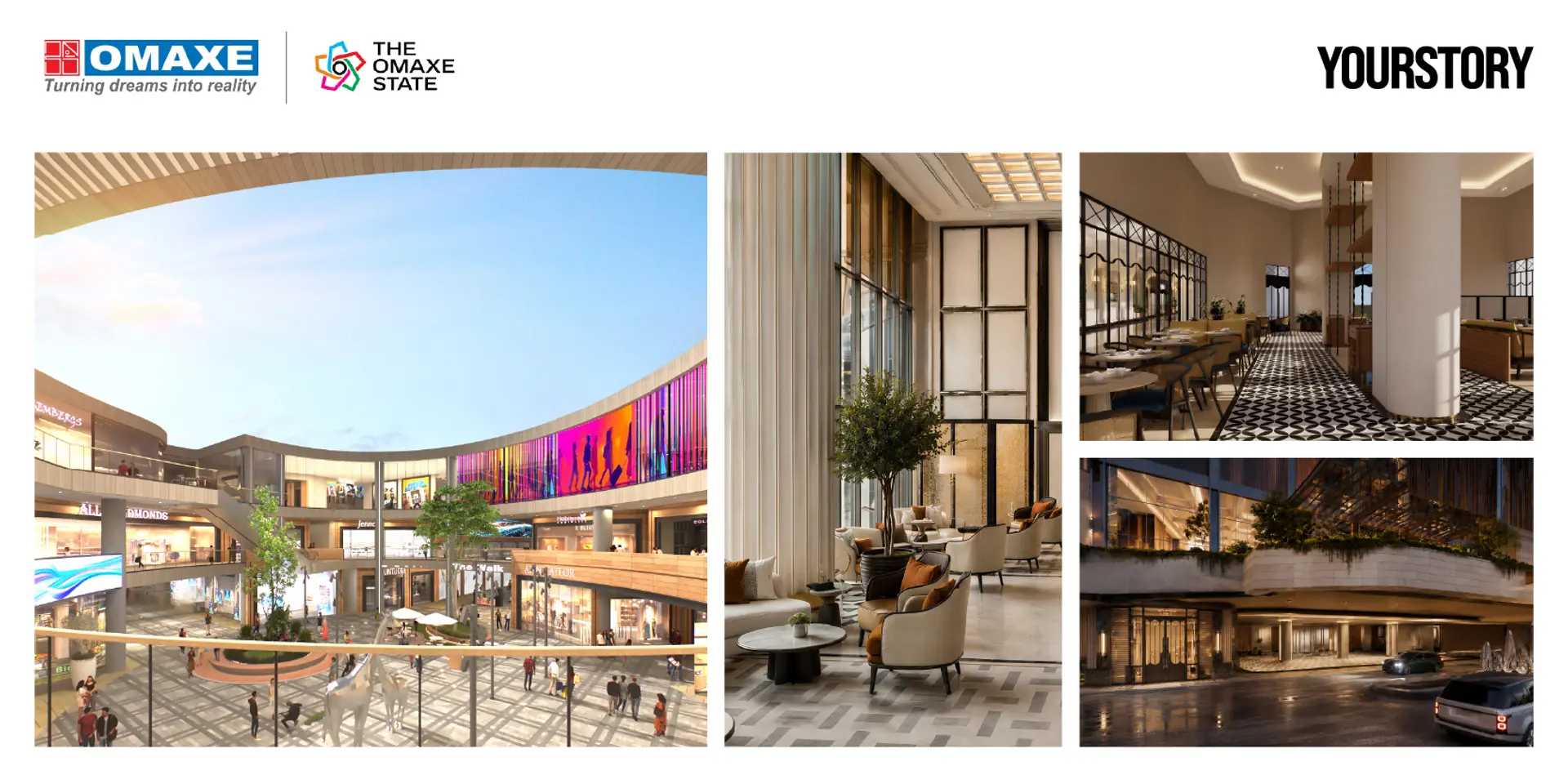
In light of this, projects such as The Omaxe State, which combine sports, retail, food and beverage, hospitality, and entertainment within a single destination, reflect a broader change in how cities are being planned and how consumers choose to spend their time.
The rise of destination-led development
The experience economy has been gaining momentum for years.
Across markets, spending on travel, dining, recreation, and live entertainment is growing faster than spending on many traditional goods categories. Consumers are increasingly looking for destinations that offer several touchpoints rather than a single activity.
A survey by Airbnb found that more than 62% of Gen Z travellers in India plan trips around music and cultural events and 53% often extend their stays to explore local neighbourhoods beyond the event itself.
Coldplay's Music of the Spheres concert in Ahmedabad highlighted the far-reaching economic impact of destination entertainment in India. Even before the event took place, the city's hospitality sector witnessed unprecedented demand, with hotel room rates surging to over ₹50,000 per night and several bookings reportedly being cancelled and relisted at significantly higher prices. The spike in accommodation demand underscored how marquee entertainment events can transform an entire city's economy, driving spending across hotels, restaurants, transport, and local businesses. The frenzy around the concert demonstrated that world-class live events are not just cultural moments, they are powerful economic catalysts that attract visitors from across the country and create significant commercial opportunities for host cities.
The sum of many parts: Connected ecosystems
Many successful urban districts today are designed as connected ecosystems where one component supports another. Hospitality benefits from entertainment. Retail gains from sports and cultural events. Restaurants benefit from increased footfall generated by multiple attractions.
Paris' Accor Arena sits within a district where hospitality, entertainment, and retail work together. Dubai Sports City and Beijing Olympic Park offer similar examples of how sports infrastructure can support year-round activity through complementary uses.
The numbers speak for themselves. Queen Elizabeth Olympic Park received 21 million visits in 2023-24 alone. It has also helped East London create 110,000 jobs since 2012 (as of October 2017) outpacing its forecasted pace of growth 3x.
The venue has also hosted huge names such as ABBA Voyage, BBC Music Studios, Gordon Ramsay restaurants and more. Finally, it has become home to economy boosting entertainment businesses and events, including ABBA Voyage and Major League Baseball: London Series, contributing more than 332.6 million and 60 million pounds to the UK economy respectively.
Westfield Stratford City's proximity to Queen Elizabeth Olympic Park played a pivotal role in attracting millions of visitors during the 2012 Olympic and Paralympic Games, establishing it as one of the UK's busiest retail destinations. The steady influx of visitors generated by the sporting precinct has continued well beyond the Games, helping the centre surpass 50 million annual visitors. This illustrates how mixed-use developments, located alongside major sports infrastructure, can benefit from sustained footfall, stronger commercial activity, and long-term value creation.
The takeaway is simple: long-term value comes not from a single attraction but from the ecosystem built around it.
From transactions to experiences
Traditional retail developments were built around a simple model: visit, shop, pay, and leave.
That model is changing.
Today, shopping is often just one part of a larger outing that may also include dining, entertainment, or social activities. Developers are increasingly responding by designing spaces that encourage people to spend more time within a destination.
This shift is influencing everything from design and tenant mix to technology and operations.
Experience apps, digital wayfinding, guest profiling, and dynamic ticketing have become part of the operating model because they help improve visitor engagement and encourage repeat visits.
Research across mixed-use destinations suggests that longer dwell times often lead to higher spending across categories. More importantly, repeat visitation helps create a more stable business environment for tenants and operators.
In this context, a stadium may be the most visible feature of a development, but it is only one part of the overall proposition.
Why activity beyond event days matters
Major sporting events and concerts attract large crowds, but they are only part of the story.
The long-term success of destination-led developments increasingly depends on remaining relevant throughout the week rather than only on marquee event days.
Across global markets, operators are focusing on food experiences, cultural programming, wellness activities, community events, entertainment formats, and emerging categories such as esports to keep destinations active year-round.
The goal is to create a steady flow of visitors rather than concentrating activity around a handful of large events.
Many destinations are also designed to serve different audiences throughout the day.
Morning visitors may include families and fitness enthusiasts. Afternoons attract professionals and shoppers. Evenings bring diners and entertainment seekers.
The result is a destination that remains active across multiple time periods rather than functioning only during special occasions.
A new way of looking at commercial real estate
This shift is changing how developers and investors evaluate projects.
Historically, commercial real estate focused heavily on occupancy rates and square footage. Today, attention is expanding to include the broader ecosystem around a development.
Food concepts, entertainment formats, hospitality offerings, and digitally enabled experiences are increasingly becoming part of the overall value proposition.
As a result, metrics such as repeat visitation, dwell time, and cross-category spending are gaining importance alongside traditional real estate measures.
The central question is gradually changing from "How much space does a project offer?" to "How many reasons does it give people to return?"
The future belongs to ecosystems
The next generation of urban destinations is likely to be defined by integration rather than scale alone.
When sports, retail, hospitality, food, and entertainment work together, they create destinations supported by multiple sources of demand rather than a single attraction.
Flexibility is becoming equally important. Spaces need to evolve as consumer preferences change, allowing formats to be refreshed over time.
Digital experiences are also becoming part of the mix, from app-based commerce and personalised loyalty programmes to technologies such as augmented reality wayfinding and virtual experiences that extend engagement beyond the physical destination.
India's growing urban population, rising discretionary spending, and changing lifestyle preferences are creating opportunities for this new generation of commercial developments.
Mohit Goel, Managing Director, Omaxe Limited, said, “The next phase of urban growth will be driven by destinations that bring together multiple experiences rather than standalone assets. Consumers today expect shopping, dining, entertainment, sports and social spaces to coexist, making mixed-use developments far more resilient and relevant. The market reflects this shift; organised retail vacancy across Delhi-NCR has declined to *12.8%, while nearly **3 million sq. ft.* of new retail supply is expected to become operational this year, signalling sustained confidence in quality retail destinations. This changing consumer behaviour is what inspired developments like *The Omaxe State*, where sports, retail, hospitality and entertainment come together to create a year-round destination that contributes to the city's economic and social ecosystem”.
Projects such as The Omaxe State reflect a broader shift in thinking, from building standalone properties to creating destinations designed around how people live, socialise, and spend their time.
As the experience economy continues to evolve, the most successful destinations may not be those with the largest footprint, but those that give people the strongest reasons to return.