



EV penetration may rise to 10-12% of total sales in FY27: report
The report said it expects EV adoption to remain strongest in segments where the economics of electrification are already compelling.

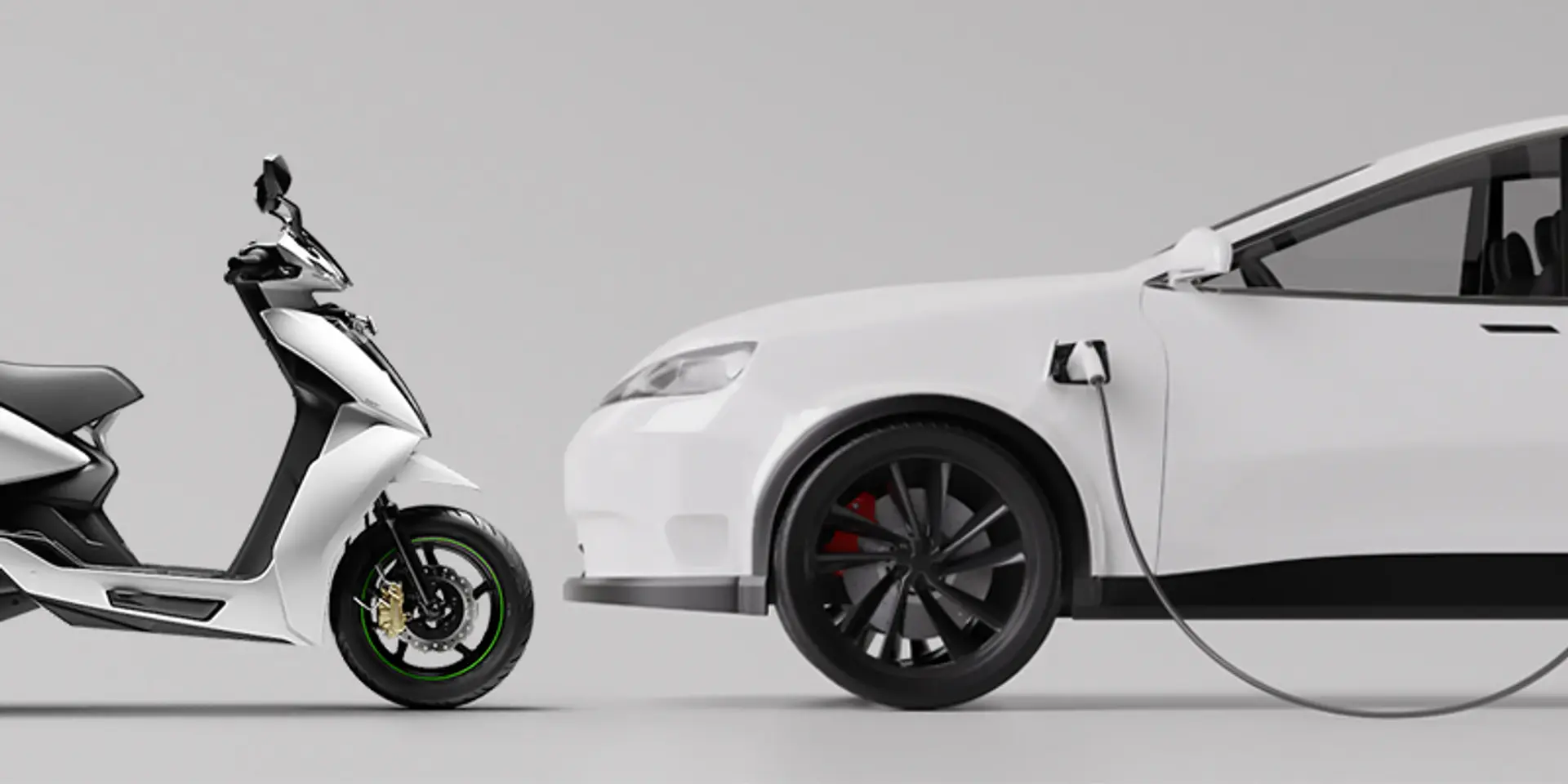

India's electric vehicle sector is entering a broader scale-up phase, with EV penetration likely increasing to 10-12% of the overall vehicle sales in this fiscal from 8.5% in the last year, driven by e-two-wheelers, ratings agency Ind-Ra said.
The agency said it expects EV adoption to remain strongest in segments where the economics of electrification are already compelling.
The two-wheeler EV penetration is estimated to increase to 8-10% in FY27 compared to 6.6% in the previous year, supported by lower operating costs, convenient home-charging options, and a growing product portfolio from incumbent automakers, the agency said.
Similarly, electric e-3Ws are expected to remain the most electrified vehicle category, with penetration increasing to 62-65% in FY27 against 59% in the previous year, driven by attractive operating economics for commercial operators and continued government support, Ind-Ra said.
Electrification in long-distance mobility segments, the ratings agency said, would progress more gradually, as consumers continue to evaluate higher upfront acquisition costs, charging accessibility, and driving-range considerations.
Nonetheless, electric passenger vehicles are likely to record robust growth from a small base, with penetration increasing to 6-8% in FY27, up from 4.4% in the financial year ended March 2026, supported by new model launches.
Adoption is expected to remain concentrated in metropolitan markets and higher-income consumer segments, Ind-Ra said, adding that it expects e-bus penetration to rise to 6-8% in FY27 as against 4.37% in FY26, aided by strong order books and government procurement programmes, although deployment still depends on infrastructure readiness across state transport undertakings.
"India's EV market continues to demonstrate healthy growth potential, with adoption increasingly supported by favourable ownership cost, improving use-case economics, a widening range of vehicle offerings, and rising consumer acceptance.
" The next phase of India's EV growth will depend on the development of a robust domestic value chain, where India reduces its dependence on imports and strengthens indigenous capabilities across key EV components, particularly batteries and related technologies, alongside expansion of charging infrastructure," said Shruti Saboo, Director, Corporates at Ind-Ra.