



Exsure is working on a way to make chemotherapy less toxic, backed by peer-reviewed research
The Bhubaneswar biotech has built a patented drug-delivery platform aimed at cancer cells. It is in preclinical testing and raised Rs 3 crore, led by Unicorn India Ventures.

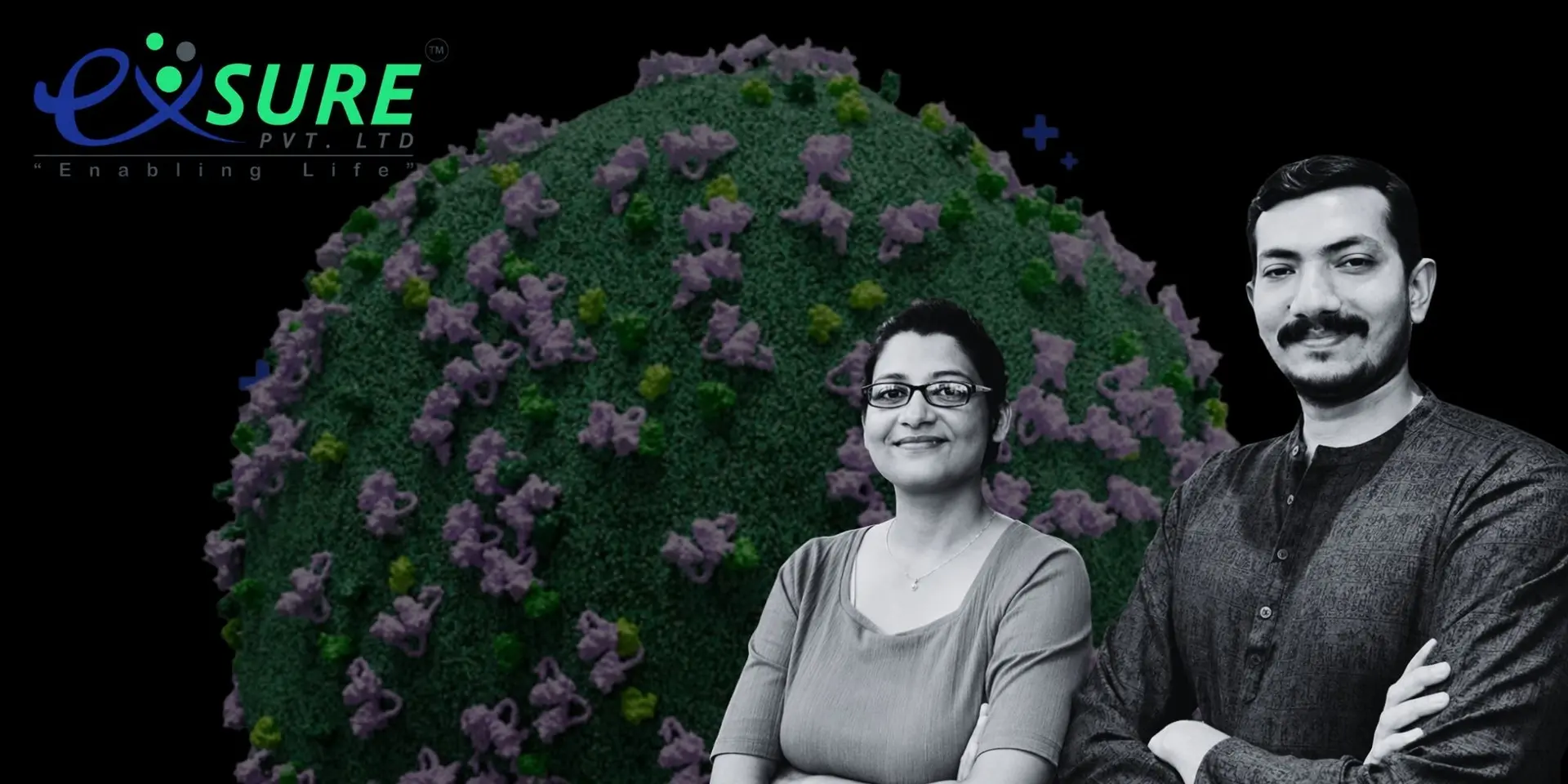

Chemotherapy works by killing fast-dividing cells. The problem is that it cannot tell a tumour from healthy tissue, so it damages both, which is why the treatment takes such a toll on cancer patients.
A second problem compounds the first. Cancer stem cells, a small population within a tumour, tend to survive chemotherapy and are associated with the disease returning later.
, a biotech company in Bhubaneswar, is working on both. It is developing a way to deliver cancer drugs more directly to the cells they're meant to destroy.
The company was founded in 2021 by Swastika Paul and Abhishek Dutta, who met during their doctoral research. Both had seen up close how harsh standard chemotherapy can be on patients, the problem they later built the company to address.
Exsure has stayed incubated at KIIT-TBI, working alongside academic collaborators rather than operating as a fully independent company.
Using the body's own carriers
Exsure's platform is built around exosomes, tiny vesicles that cells naturally release to carry material between them. The company uses them as delivery vehicles for chemotherapy drugs, to concentrate the dose where it is needed and spare healthy tissues.
The platform is patented and targets both cancer cells and cancer stem cells, which is what the company says distinguishes it from conventional delivery methods.
Exsure's researchers described the platform in a peer-reviewed paper in Frontiers in Bioengineering and Biotechnology in 2024, written with collaborators at the Institute of Life Sciences and KIIT.
The founders have also published separately on how exosomes relate to cancer stem cells, which is the scientific ground the company is built on.

Reagents now, a drug much later
Exsure's drug is still in preclinical development. It has completed part of a preclinical study using its patented technology and has begun a non-clinical study in India with a contract research organisation. The drug has not been tested in humans. A clinical trial, if the company reaches that stage, is likely still several years away.
In the meantime, the company sells research products, including Exosure, an exosome isolation reagent, alongside Leucosure, PlantExosure and a line called Dr Berries. These are sold to laboratories and research institutions, generating revenue while drug development continues.
It also offers outsourcing services to other researchers, including cancer stem cell isolation and the preparation of targeted exosomes.
That combination is deliberate. Drug development takes years and consumes capital throughout, and selling reagents to laboratories gives the company income and customers while the longer programme runs.
In January 2025, Exsure raised Rs 3 crore in a seed round led by Unicorn India Ventures. The funds will be utilised for completing the non-clinical study and expanding sales of its research products, including outside India.
The company has been supported by BIRAC, the government's biotechnology funding body, alongside its incubator. For a biotech outside the main research hubs, that kind of institutional backing is often what makes early work possible.
Its stated aim is to make cancer treatment less punishing for patients. That is a long project, measured in years of trials rather than product releases, and Exsure is at the beginning of it.
(This story has been researched and compiled using publicly available information.)