



Cabinet approves Rs 1.27 lakh crore for Semicon Mission 2.0
The second edition of India Semiconductor Mission is expected to attract investments of around Rs 4 lakh crore.

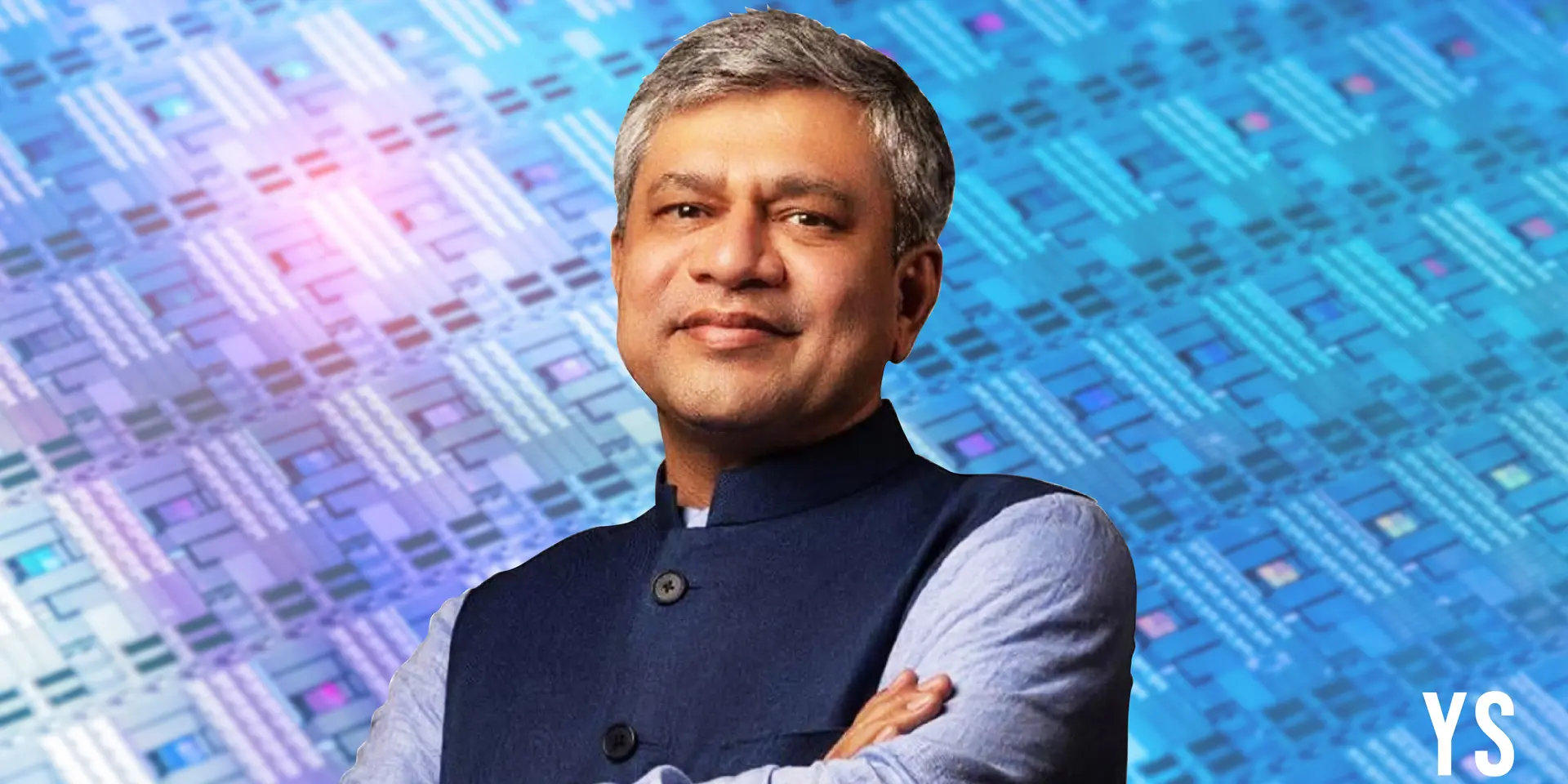

The Union Cabinet on Wednesday approved an outlay of Rs 1.27 lakh crore for the second phase of the India Semiconductor Mission (ISM), Union IT Minister Ashwini Vaishnaw said.
The government expects the Semicon 2.0 programme to attract investments of around Rs 4 lakh crore and generate semiconductor production worth Rs 2 lakh crore over the scheme period.
An official statement said the Cabinet, chaired by Prime Minister Narendra Modi, approved the revamped programme to strengthen India's semiconductor design and manufacturing ecosystem.
Recognising the requirement for a sustained and long-term support to Semiconductor sector in India and also to build on the momentum generated under Semicon1.0, Semicon 2.0 aims to further the government's commitment towards putting our country on the semiconductor map of the world.
Unlike the first phase, Semicon 2.0 also extends incentives to suppliers of critical raw materials for chip manufacturing, including minerals and industrial gases, with the aim of building a more comprehensive domestic semiconductor supply chain.
"Cabinet has approved ISM 2.0 with a total outlay of Rs 1.27 lakh crore," the minister said.
Vaishnaw said Semicon 2.0 will cover the entire semiconductor value chain and be built around six pillars, with chip design as its first focus area.
He added that the programme will prioritise the design, development, and manufacturing of indigenous semiconductor chips to strengthen India's domestic capabilities.
"We will be self-reliant in the production of indigenous chips by the end of this programme," the minister said.
The government had earmarked Rs 76,000 crore for the first phase of the India Semiconductor Mission (ISM).
Under ISM 1.0, it approved 12 projects with cumulative investments of about Rs 1.64 lakh crore, with Tata Electronics and its semiconductor business accounting for a significant share of the committed investments.
The launch of Semicon 2.0 comes as countries worldwide race to expand semiconductor manufacturing capacity amid persistent supply constraints and rising demand for advanced chips, particularly those powering artificial intelligence applications.
The government expects the new scheme to attract investments across additional semiconductor segments and help meet the growing demand for AI-focused chips.
(With inputs from PTI)
Edited by Megha Reddy