



Intel reports fastest revenue growth in 15 years riding AI infra wave
Intel’s Data Centre and AI business grew 59% to $6.3 billion, while Intel Foundry, its contract manufacturing business, recorded 31% revenue growth.

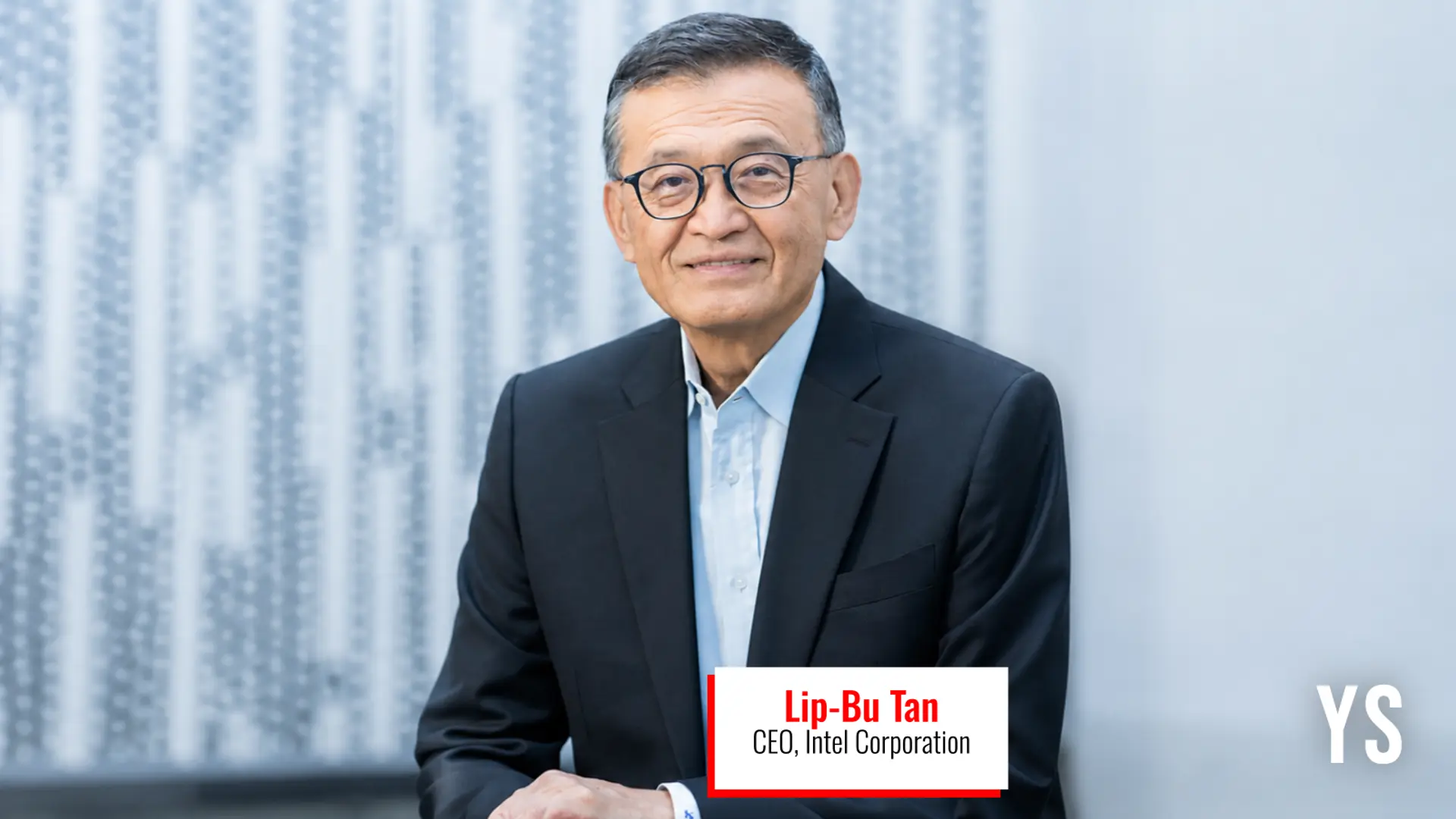

Intel has reported its fastest revenue growth in more than 15 years, with the semiconductor company saying the global build-out of artificial intelligence infrastructure is driving stronger demand for its processors and manufacturing services.
The results also matter beyond Intel because they suggest that the AI investment cycle is widening beyond specialist AI chips to include the central processing units, packaging technologies and semiconductor manufacturing needed to support large-scale AI systems.
Second-quarter revenue rose 25% year-on-year to $16.1 billion, while adjusted earnings per share came in at $0.42. Intel also forecast third-quarter revenue of between $15.8 billion and $16.8 billion, ahead of market expectations.
Its Data Centre and AI business grew 59% to $6.3 billion, while Intel Foundry, its contract manufacturing business, recorded 31% revenue growth.
Chief executive officer Lip-Bu Tan said AI demand is reshaping the market well beyond graphics processors.
“AI is driving unprecedented demand for compute, and as we continue to execute, Intel is well-positioned to capture sustainable growth across our CPU franchise, ASICs, advanced packaging and vast wafer foundry network,” Tan added.
CPUs, or central processing units, remain essential in AI data centres because they manage workloads, networking and many inference tasks, which is essentially running trained AI models to generate responses, rather than training them from scratch.
“As AI expands from training to inference, and increasingly to agentic and multi-agent systems, general-purpose server CPU density continues to increase, and our core server CPU franchise is growing faster than ever,” Tan explained.
Chief financial officer Dave Zinsner said AI-related businesses were now the company’s biggest growth engine, although supply constraints remain.
“Our AI-driven businesses grew greater than 70% year over year, including record datacenter growth, and contributed approximately 70% of revenue. It’s important to note that despite exceeding our expectations for wafer outs in the quarter, strengthening demand continues to outstrip our growing supply,” Zinsner noted.
The company is responding by increasing investment. Intel said it will raise capital expenditure above $20 billion this year and expects even higher spending in 2027 to expand manufacturing capacity, clean-room space and equipment. It is also progressing its Intel 18A manufacturing technology and plans high-volume production of its next-generation 14A process from 2028.
Intel’s performance comes as AI spending continues to lift much of the semiconductor industry. TSMC recently reported record quarterly profit and revenue on strong AI chip demand, while companies across the sector are expanding advanced manufacturing capacity to meet sustained orders.
NVIDIA remains the dominant supplier of AI accelerators, but demand is increasingly spreading across CPUs, custom AI chips known as ASICs, advanced packaging and foundry services as companies build larger AI infrastructure.
Intel nevertheless cautioned that challenges remain, including industry-wide shortages of wafers, memory and substrates, which are the base materials used to connect semiconductor chips into finished packages. The company also highlighted ongoing risks from geopolitical tensions, export controls and the rapidly evolving AI market.