


PM Modi lauds Sitamarhi plastic recycling model in Mann Ki Baat
In the 136th episode of Mann Ki Baat, the Prime Minister spotlighted a Bihar district where 40 kg of single-use plastic goes into every public bench

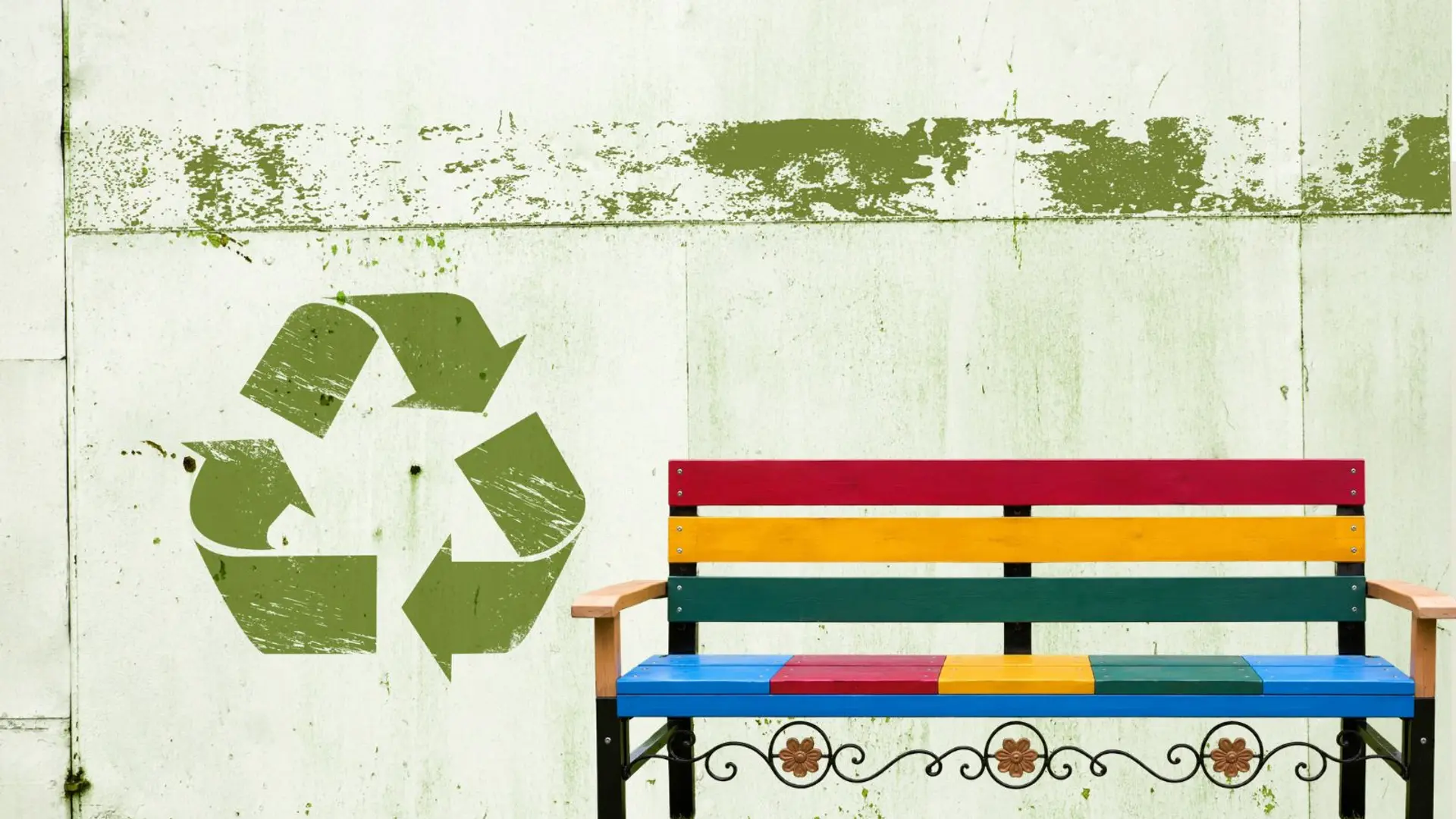

Prime Minister Narendra Modi has put a small north Bihar district on the national map, holding up the Sitamarhi plastic recycling initiative as proof that single-use plastic waste can be turned into usable public infrastructure. Speaking in the 136th episode of his monthly radio programme Mann Ki Baat on Sunday, 26 July 2026, he called it a magnificent example of waste to wealth, noting that about 40 kg of single-use plastic goes into making one bench. The benches are being installed in government schools, parks and public spaces.
From a disposal headache to district furniture
India generates close to 39 lakh tonnes of plastic waste a year, nearly 10,700 tonnes a day, according to the Central Pollution Control Board's annual report for 2022-23. The country banned identified single-use plastic items from 1 July 2022, but collection remains weak in smaller districts where formal waste infrastructure is thin.
Sitamarhi's answer was to build processing capacity locally rather than ship the problem elsewhere. The district runs four Plastic Waste Management Units, with the facility at Bajpatti acting as a key processing centre. Plastic is collected from surrounding blocks, then cleaned, segregated, shredded and moulded into benches.
"This is the PWMU Bajpatti unit, which is a designated processing centre. It is connected to three or four other blocks, and our network covers the entire Sitamarhi district," District Manager Raghav Jha told news agency IANS.
Why the Sitamarhi plastic recycling numbers matter
Reports citing district figures indicate that in one phase, about 8,000 kg of single-use plastic was collected from the Dumra, Riga, Bajpatti and Runnisaidpur blocks, of which 4,000 kg was recycled into 85 benches. Available information also suggests the units run on a revenue-sharing arrangement between the district administration and an industrial partner, with work generated in collection, sorting, transport and processing.
That structure matters. Most municipal plastic recovery in India survives on subsidy. A model where a low-value waste stream funds its own collection economics is the harder problem to solve, and it usually decides whether a scheme outlasts the officer who started it.
How does 40 kg of single-use plastic become one bench
The plastic used here is the low-value category that recyclers usually reject. Carry bags, wrappers and multilayer packaging are light, dirty and mixed, which makes them costly to collect and unprofitable to turn back into packaging.
So instead of returning that plastic to its original use, the units downcycle it. The waste is washed, sorted, shredded into flakes, heated and then moulded into thick solid sections that are assembled into a bench.
Because the finished product is dense and structural, it absorbs a large volume of waste per unit made. That is the point of the 40 kg figure. A bench is a storage device for plastic that would otherwise sit in a drain for decades.
India's Extended Producer Responsibility framework already obliges producers and brand owners to fund plastic packaging recovery, with obligations touching around 30 lakh tonnes in 2022-23 as per government data. A district model that converts collected waste into a saleable product is exactly the downstream capacity that EPR money is meant to find and pay for. For India's circular economy ventures, the signal is commercial as much as environmental. District administrations are now buyers, and a bench that pays for its own raw material is a business, not a pilot.