


The experts on Nandan Nilekani’s exam reform task force
The members of the task force are a mix of technocrats and bureaucrats.

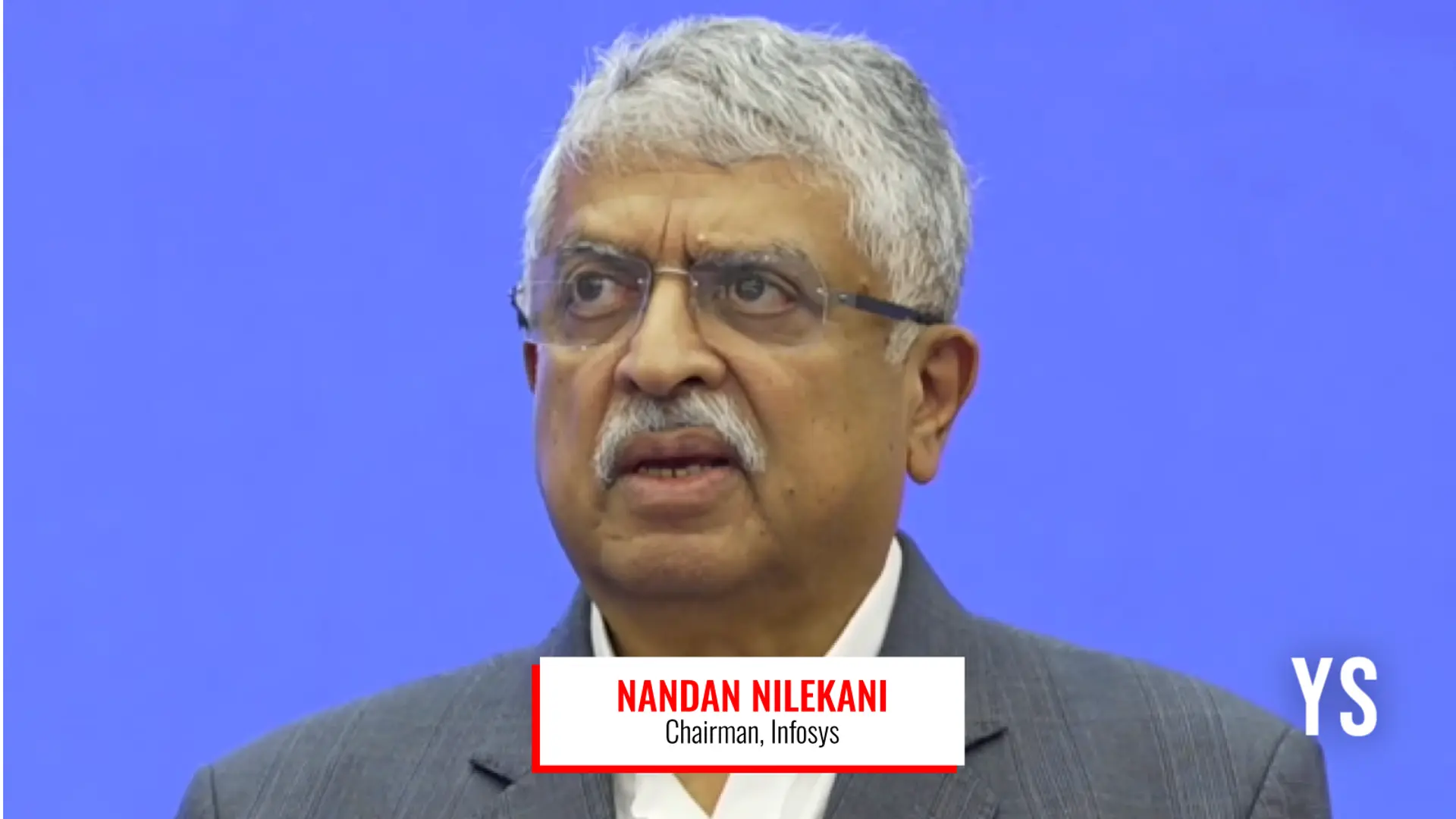

Prime Minister Narendra Modi has announced the constitution of a high-powered six-member task force headed by Infosys co-founder Nandan Nilekani to recommend reforms to make the exam system leakproof.
Here are the six members of the task force.
Nandan Nilekani
Nilekani, the co-founder and chairman of Infosys, is known as the architect of India's Aadhaar digital identity programme UIDAI. He has also played a key role in the development of the Unified Payments Interface (UPI), helping shape India's digital public infrastructure through interoperable payments.
In 1981, Nilekani joined N R Narayana Murthy and five others to co-found Infosys after leaving his job at Patni Computer Systems.
Significance in task force: To spearhead the panel's recommendations on using advanced technology to make examinations more secure, transparent and efficient
S Somnath
A distinguished space scientist, Somnath studied aerospace engineering at the Indian Institute of Science (IISc), Bengaluru, and later earned a PhD from IIT Madras. He served as the chairman of the Indian Space Research Organisation (ISRO) and as secretary in the Department of Space from 2022 to 2025.
Significance in the task force: To bring expertise in large-scale technology systems to the exam panel
Tapan Deka
A 1988-batch IPS officer of Himachal Pradesh cadre, Deka served as the director of the Intelligence Bureau from June 2022 to June 2026. A veteran intelligence officer, he played a key role in counter-terrorism operations, including the 26/11 Mumbai attacks, the crackdown on the Indian Mujahideen, and security operations in Jammu and Kashmir and the Northeast.
Significance in task force: To help strengthen the security framework and help in examining digital solutions that can strengthen each stage of the examination process, from question paper security to candidate verification and result processing
Anita Karwal
A 1988-batch IAS officer, Karwal has more than 36 years of experience in public administration, with a focus on school education. She served as the CBSE chairman (2017–2021) and later as secretary, Department of School Education and Literacy, playing a key role in shaping the National Education Policy (NEP) 2020 and the National Curriculum Framework.
She also faced student protests as the CBSE chairman when the board examination question paper was leaked in 2018.
Significance in task force: To provide her education policy expertise
V Kamakoti
V Kamakoti has been the director of IIT Madras since 2022 and is known for leading the research team that developed India's first indigenous microprocessor, Shakti.
An alumna of IIT Madras, Kamakoti is a member of the National Security Advisory Board and chairs the AI task force set up by the Ministry of Commerce and Industry. He also leads several national programmes on indigenous microprocessor development.
Significance in the task force: To provide academic and technical inputs
Amrit Lal Meena
A Bihar-cadre IAS officer of the 1989 batch, Meena has more than 36 years of administrative experience, including 25 years with the Bihar government and 11 years with the Central government. He previously served as the chief secretary of Bihar and as secretary in the Ministry of Coal, and held the additional charge of special secretary (logistics) in the Department for Promotion of Industry and Internal Trade.
Significance in the task force: To serve as a logistical expert