



VoltSeal installs batteries at factories and offices to replace diesel generators
The Delhi-based company puts lithium-iron-phosphate battery systems on commercial and industrial sites, paired with software that decides when to charge and when to discharge.


India has added solar power faster than it has built the storage to use it efficiently. Output peaks in the middle of the day, and a share of it goes unused. Demand peaks in the evening, when the sun has gone, and tariffs are at their highest. Factories and offices bridge the gap with diesel generators, which are expensive to run and dirty.
Electricity is no longer priced the same around the clock. Under time-of-day pricing, a commercial user pays more for each unit during the evening peak than it does at midday, and the company expects this pricing to apply across the country by April 2027. A business that could buy power cheaply at midday and use it at eight in the evening would avoid both the higher evening rate and the generator.
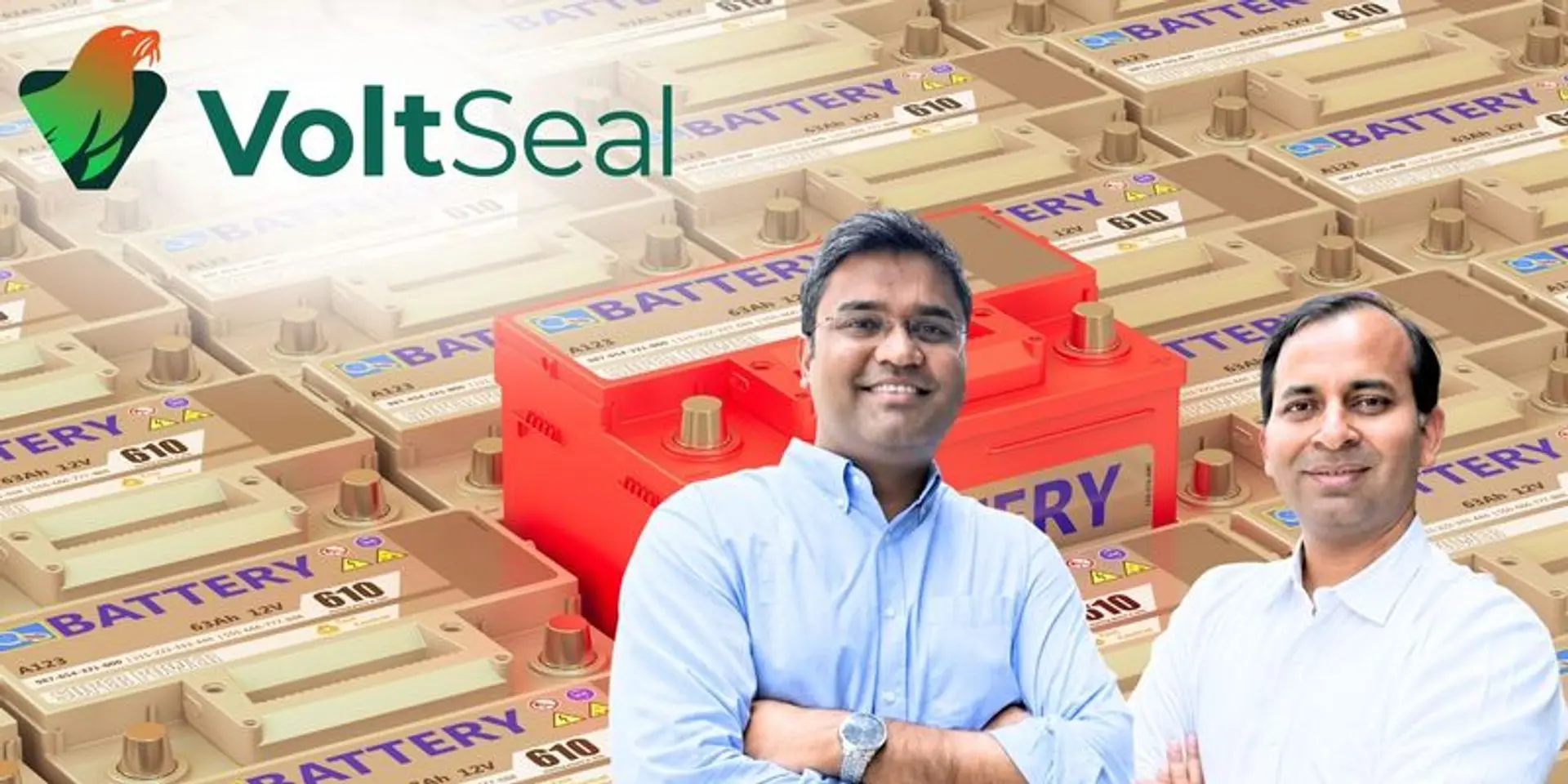
was set up to sell that shift. It was founded by Mudit Narain and Abhijeet Pandey, and operates from New Delhi with a business office in Noida. The company positions batteries as the missing piece between renewable generation and reliable supply, and describes India's power system as energy-rich but short on flexibility.
Four ways to use a battery
The company installs lithium-iron-phosphate battery systems behind the meter, meaning on the customer's own side of the connection rather than out on the grid. Each installation is paired with software that decides when the battery charges and when it discharges. Lithium iron phosphate is the chemistry most used for stationary storage, being cheaper and more tolerant of heat than the alternatives used in vehicles.
It sells the same hardware against four different problems.
Time-shifting stores cheap or surplus power and releases it when prices rise. Peak shaving discharges during the highest few minutes of consumption to hold down demand charges, which are billed on the peak rather than the total. Diesel avoidance covers outages without starting a generator. Green charging stores low-carbon power to charge electric vehicles.
The software layer is what the company and its backers describe as the key differentiation: a battery that only sits there as backup earns nothing most of the time, while one that is dispatched against tariffs and demand charges is working every day.
The founders' backgrounds are in energy policy, not in building hardware. Narain trained at MIT's Technology and Policy Program, spent seven years in the World Bank's energy practice and six years in government roles including at NITI Aayog and the Office of the Principal Scientific Adviser. Pandey has more than a decade in strategy and sustainability work, at PwC India and Xynteo.
A first institutional round
VoltSeal raised $1.5 million (about Rs 13 crore) in a pre-seed round announced in June 2026.. Theia Ventures led, with Rainmatter by Zerodha, Momentum Capital, Social Alpha and angel investors taking part. Social Alpha is also listed as the company's incubation partner.
Theia described itself as VoltSeal's first institutional backer. Rainmatter, writing about the investment, said the company is pre-revenue and early, and that the founders' understanding of how the Indian power market works was what stood out.
Its advisers include Kunal Upadhyay, a co-founder of IIMA Ventures and the Bharat Innovation Fund, Ashish Goel, who founded and led Urban Ladder, and Manoj Kumar, the founder of Social Alpha.
The company made its first appearance at a sector conference at India Energy Storage Week in 2026. Its own milestones page is yet to be filled in, and no installation, customer or pilot has been announced. The tariff changes it is building against are still phasing in, and its own first installations are still ahead of it.
(This story has been researched and compiled using publicly available information.)