



How AADYAH Aerospace builds the parts that steer a rocket
The Bengaluru-based company builds thrust vector control systems, avionics and satellite subsystems for launch vehicles and defence programmes, and turned profitable in March 2025.

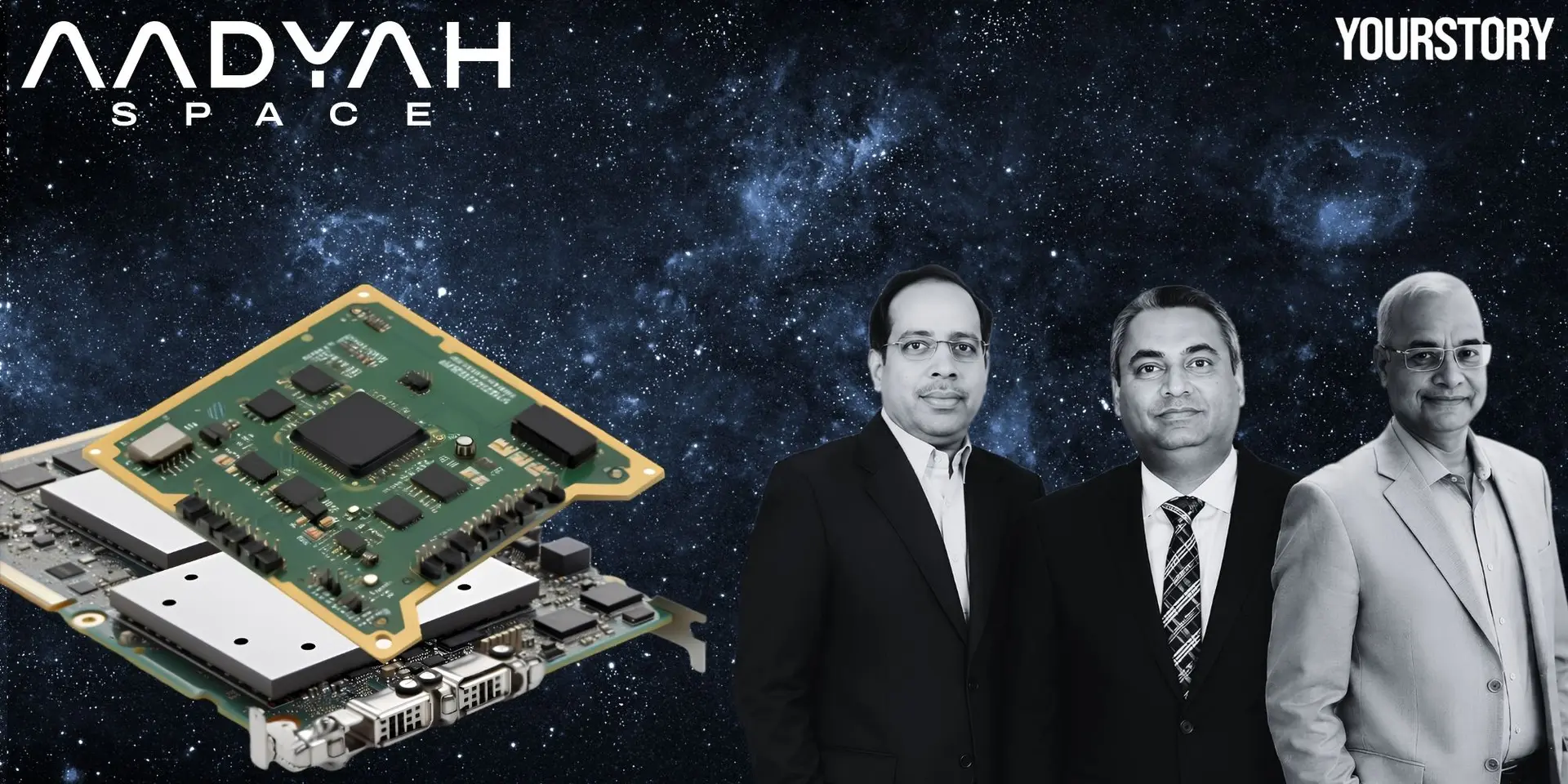

A launch vehicle is mostly subsystems. The engine gets the attention, but a rocket also needs actuators to steer its nozzle, electronics to work out where it is pointing, mechanisms to separate its stages, and structures that hold a satellite in place until the moment it is released.
For most of India’s space programme, those parts came from a small circle of suppliers working to ISRO specifications, and the more specialised items were imported. The private launch companies that arrived after the sector opened up needed the same components and had no capacity to build them in-house.
was incorporated in Bengaluru in 2016. Its founders include Sunderarajan Varadan, who had worked for the Spanish engineering group SENER, and Pradeep Kumar, a retired group director at ISRO’s Vikram Sarabhai Space Centre with a career in propulsion. Shaju Stephen is the chairman and managing director.
The company positions itself as a subsystem supplier rather than a launch or satellite operator. It designs, prototypes and manufactures, and says it serves customers across Europe, the United States, Israel, Singapore and Australia alongside India, selling subsystems to the organisations that build the rockets and satellites themselves.
The parts that steer a rocket
The clearest product line is thrust vector control. A rocket steers by moving its engine nozzle, and AADYAH builds the actuators that do the moving, along with the sensor and the control electronics box that direct them. It lists these in its filing with IN-SPACe, the government body that authorises private space activity.
Alongside that, it lists satellite systems and avionics. In its own company profile, the business describes building thrust vectoring, flex nozzle, flow control systems and flight avionics for launch vehicles, and onboard computers, electronics control units, reaction wheels, sun sensors and star trackers for satellites.
Its website names ISRO alongside private launch companies in India, the United Kingdom and France among the organisations it works with, though it does not say what it supplies to any of them. AADYAH won a National Award for Technology Innovation in 2018 for work on spacecraft separation systems.
It has 86 employees according to its IN-SPACe listing, and runs its own test facilities in Bangalore, including a system-level testing lab and a no-load and load testing setup for thrust vector control mechanisms, control electronics and avionics.

Ten years, then a Series A
AADYAH took its first outside money in 2016 and spent the following decade on angel capital. The Bangalore chapter of Keiretsu Forum led a seed round of about Rs 6.5 crores in 2017, and SiriusOne has also backed the company. Databases record as many as 13 rounds before the Series A.
In June 2026, it raised Rs 31.5 crores in that Series A, led by Helios Holdings, which put in Rs 30.5 crores through Suraj Nalin, with angel investor Meenu Sharma contributing Rs 1 crore. Entrackr, reporting from regulatory filings, said the board approved just over 30.9 lakh preference shares at Rs 101.87 each.
The filings say the money is for acquiring a company in the United States, along with working capital and manufacturing. An acquisition would give AADYAH a presence inside the American market rather than an export relationship into it.
Operating revenue for the year ended March 2025 was Rs 14.12 crores, down 9% from Rs 15.53 crores the year before. The company reported a profit of Rs 1.47 crores, against a loss of Rs 35 lakh in the previous year. It has not yet filed results for the year ended March 2026.
Entrackr estimated that the round valued AADYAH at around Rs 206 crores, up from about Rs 163 crores in its pre-Series A round. It noted the raise may form part of a larger round still in progress, which would change the final figure.
(This story has been researched and compiled using publicly available information.)