



Diyamaati FPC: Bihar’s women build a model that is changing the future of villages
Founded by women in Sitamarhi, Diyamaati FPC has brought 2,100 shareholders together, reduced dependence on middlemen and created new opportunities through farm inputs, goat feed and collective leadership.

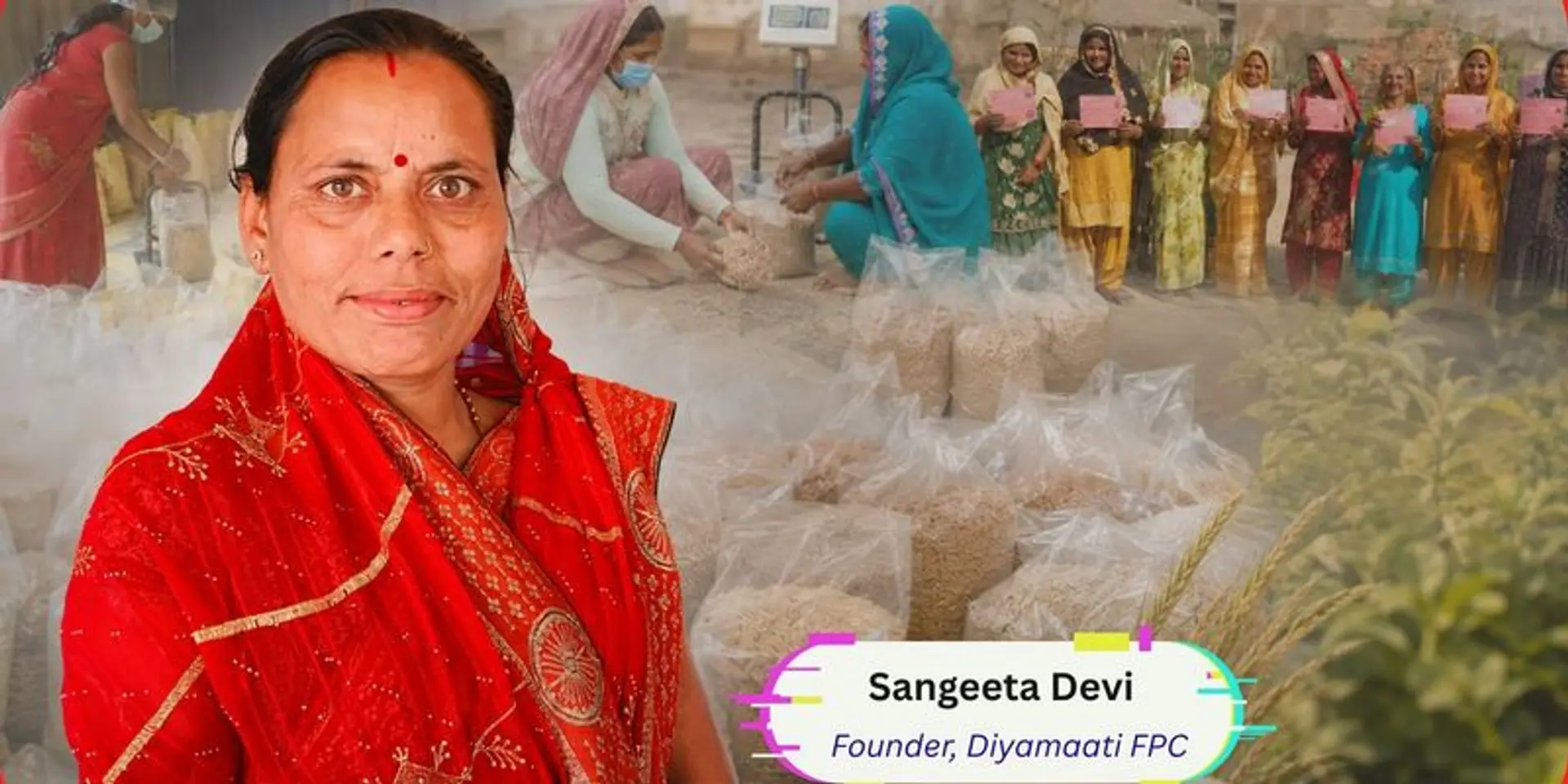

Until a few years ago, the lives of thousands of rural women in the Parihar block of Sitamarhi district, Bihar, were almost identical. They farmed, reared goats, and fulfilled family responsibilities. But from buying seeds, fertilizer, and other farming-related materials, to selling their produce, they had to depend on the market and middlemen. The hard work was theirs, but the profit remained limited.
These very circumstances gave birth to a new idea. The women thought that if they had to buy materials from outside every year for farming anyway, then why not build their own company? With this very thought, on 28 July 2023, Diyamaati Farmer Producer Company Limited (FPC) was established. Sangita Devi is its founder. Today this company has connected more than 2,100 women shareholders and has extended its reach to nearly 4,000 rural women. Diyamaati FPC is an initiative run with the cooperation of the Bihar Sustainable Livelihood Development (BSLD) project. And it is also linked with the Samagra Shikshan Evam Vikas Sansthan (SSEVS). It has become not merely a Farmer Producer Company (FPC), but a successful example of collective leadership and rural women's entrepreneurship.
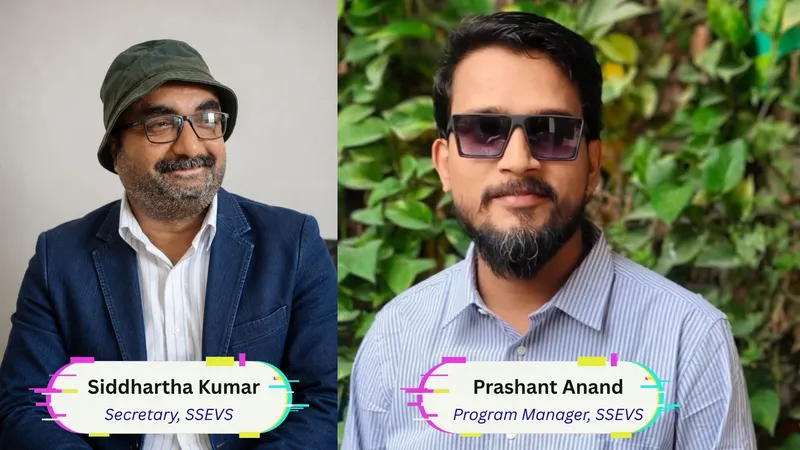
In a recent conversation with YourStory, describing Diyamaati FPC, SSEVS Secretary Siddharth Kumar says, "Diyamaati FPC did not begin from some grand business dream. Its foundation was laid by the everyday needs of the village women. We saw that farmers depend on the market and middlemen for every small need related to seeds, fertilizer, and animal husbandry. Then it felt that if women came together and built their own company and took decisions themselves, they would not only increase their own income but would also be able to strengthen the economy of the entire village."
When Women Became the Owners of Their Own Company
Diyamaati FPC began with the Self-Help Groups (SHGs) of ten panchayats. From each panchayat, three women were made promoters, and a total of 30 women laid the foundation of the company. These same promoters elected the Board of Directors.
The beginning was not easy. Most of the women had never before heard words like company, shares, or business. The team organized village-to-village meetings and explained to the women that they were not going to become beneficiaries of some government scheme, but rather owners of their own company. They were given training in financial literacy, banking, digital payments, record management, and business operations.
Prashant Anand, Program Manager, Samagra Shikshan Evam Vikas Sansthan (SSEVS), explains, "The biggest challenge was winning the women's trust. Subjects like company and shares were completely new to them. We did not rush. We organized village-to-village meetings. We explained to the women that this is their own company. When they saw that every decision was being taken in a transparent manner and that their opinion was being valued, then their confidence also grew and their bond with the company kept getting stronger."
'Damdaar Dana' Changed the Picture of Goat-Rearing
Diyamaati FPC did not limit itself to farming alone. In the villages, goat-rearing was an important source of income for women, but due to the lack of balanced animal feed, the growth and productivity of the animals were affected.
Seeing this very need, the company developed a balanced animal feed, 'Damdaar Dana,' prepared from local resources. According to the livestock-keepers connected at the pilot level, its regular use brought about positive changes in the goats' health, weight gain, and reproductive capacity. At the same time, with quality animal feed becoming available at the local level, farmers saved both cost and time.
Siddharth says, "Our objective was not merely to launch a product in the market. We wanted scientific and balanced animal feed to be available to the livestock-keepers right around the village. When farmers get good-quality fodder at the right price, their animals stay healthy. This increases their income as well as their confidence. 'Damdaar Dana' is the result of that very thinking, in which the farmer's need was placed first."
Support Came from Government Schemes and the FPO Model
The progress of Diyamaati FPC has happened at a time when the central government and the Bihar government are continuously encouraging Farmer Producer Organizations (FPOs) and women's Self-Help Groups (SHGs).
Under the central government's 10,000 Farmer Producer Organizations (FPOs) scheme, the goal has been set of organizing farmers and providing them better access to markets, technology, and finance. Meanwhile, in Bihar, through JEEViKA (Bihar Rural Livelihoods Promotion Society), lakhs of women are being connected to Self-Help Groups and entrepreneurship and financial empowerment are being promoted.
According to the National Rural Livelihoods Mission (DAY-NRLM), more than 10 crore women across the country are connected to Self-Help Groups, while Bihar is among the country's most active states. In boosting rural women's entrepreneurship, the state government's JEEViKA initiative has also been praised by several institutions, including the World Bank.
Today Diyamaati FPC has connected more than 2,100 women shareholders and has extended its reach to nearly 4,000 rural women. It has become not merely a Farmer Producer Company (FPC), but a successful example of collective leadership and rural women's entrepreneurship.
Becoming Shareholders Increased Confidence
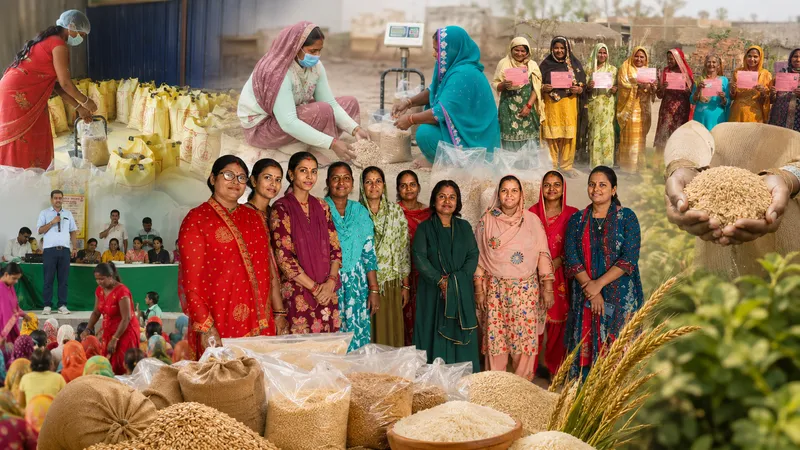
Today Diyamaati FPC is working in ten gram panchayats and 32 villages. Along with providing farming-related materials, animal husbandry services and other rural enterprises are also connected to it.
The biggest change has been seen in the women's confidence. Many women connected with the banking system for the first time, learned to make digital payments, and began taking business-related decisions. Because of this, their participation in the family's income increased, and a new identity of leadership was formed at the village level.
Prashant Anand says, "Today when we go to the villages, the biggest change is visible in the women's confidence. The women who were earlier limited only to farming or wage labour are now operating bank accounts, taking business-related decisions, and putting forward their views in the gram sabha. This change is not only economic, but is also connected to social respect and leadership."
The Road Ahead
Diyamaati FPC is now preparing to take 'Damdaar Dana' to other districts of Bihar. The organization is also planning to expand into areas like animal supplements, green fodder, organic fertilizer, agricultural inputs, and food processing. The approval of a feed processing unit under the Pradhan Mantri Formalisation of Micro Food Processing Enterprises (PMFME) Scheme has been an important step in this direction. Meanwhile, a visit by Heifer International's Board of Directors also gave the organization a new recognition.
Siddharth says, "We want this model to not remain limited only to Sitamarhi. Women of other districts and states should also start such community enterprises based on local resources. Our biggest lesson is this: trust, transparency, and collective leadership are the greatest capital of any social enterprise."
The story of Diyamaati Farmer Producer Company Limited proves that big changes do not always come from big investments. Many times, they begin from a small question. The women of Sitamarhi too had asked this same question: when materials must be bought every year for farming, then why not build one's own company? Today the answer to that very question stands before us in the form of the economic empowerment, confidence, and a new example of rural entrepreneurship of thousands of women.