



GalaxEye buys StarOps to strengthen indigenous satellite engineering
GalaxEye has acquired StarOps, adding spacecraft engineering expertise, satellite platforms and indigenous technologies as it expands its capabilities across the satellite development and Earth Observation value chain.


Bengaluru-based spacetech startup GalaxEye has acquired spacecraft engineering company StarOps to bring more of the satellite development process under one roof.
The acquisition brings Bengaluru-based StarOps’ spacecraft engineering team, satellite bus platforms, and indigenous subsystem technologies into GalaxEye, which is developing Earth Observation (EO) satellites using its OptoSAR technology.
GalaxEye said StarOps brings experience spanning spacecraft systems engineering, propulsion, avionics, flight computing, guidance and navigation, structures, electrical systems, mission operations and ground operations. Its satellite platforms cover the 50 kg, 150 kg and 250 kg classes, while the company said more than 66% of its satellite systems have been indigenised.
The strategic significance lies in vertical integration, where a company controls more stages of designing, building and operating a product instead of depending heavily on outside suppliers. For a satellite business, this can potentially give greater control over design choices, testing and development schedules, although the acquisition itself does not establish how quickly those benefits will translate into deployed spacecraft or commercial revenues.
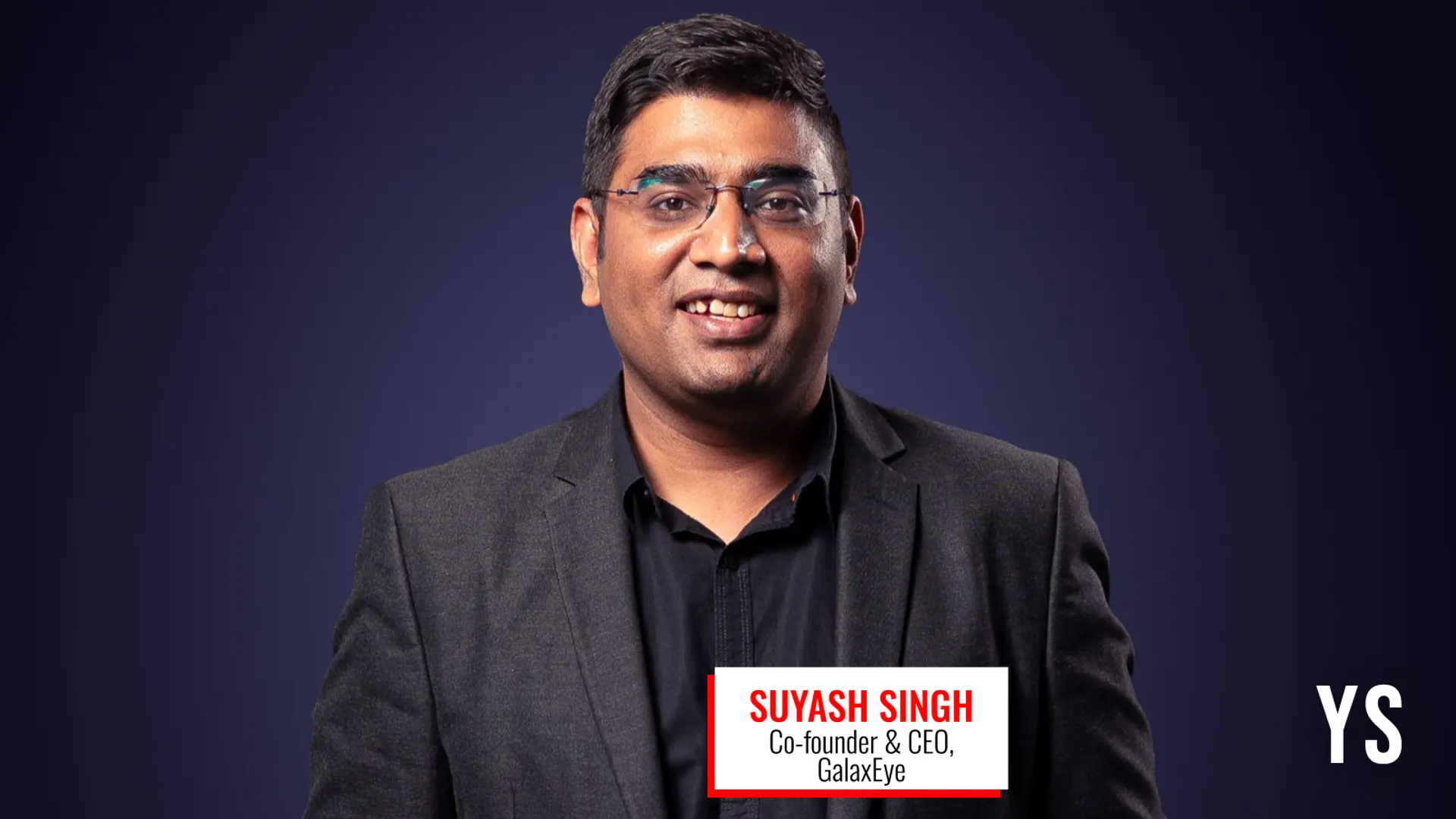
GalaxEye co-founder and CEO Suyash Singh, described the transaction as part of a broader effort to build spacecraft capabilities in-house. “...we are significantly strengthening our capabilities across satellite engineering. Together, we are building a company capable of designing, engineering and operating advanced space systems from India for the world,” he said.
StarOps was incorporated in 2022 and traces its origins to TeamIndus, an early Indian private space venture. Several members of its engineering team previously worked on TeamIndus’ lunar lander and rover efforts. StarOps said its work has focused on developing satellite platforms and bringing spacecraft technologies into India.
For GalaxEye, the connection is particularly relevant because its planned EO systems combine synthetic aperture radar (SAR), with optical imaging. SAR uses radar signals to produce images and can operate through clouds and at night, while optical sensors capture conventional imagery. GalaxEye calls the combination OptoSAR and says it is intended to provide all-weather, day-and-night EO.
EO is emerging as an important part of this expansion. The government has approved a public-private partnership led by Pixxel, alongside Dhruva Space, SatSure Analytics India and Piersight Space, to establish an EO satellite constellation.
India now permits up to 100% foreign direct investment in the space sector, with automatic-route limits varying by activity. Satellite manufacturing and operation, satellite data products and ground segments allow automatic investment up to 74%, while manufacturing of satellite components and systems allows 100% through the automatic route.