



Online grocery venture Satvacart shuts down after 12-year run
Founder Rahul Saxena said the company explored fresh funding and acquisition opportunities before deciding to wind down operations.



Gurugram-based Satvacart has shut down after 12 years of operations, bringing to an end one of the longer runs among India's early e-grocery startups. August 28 was the company's last day of operations and the team has been disbanded, the founder Rahul H. Saxena said in a LinkedIn post.
The shutdown followed a difficult few years for Satvacart as it tried to raise enough capital to rebuild and grow the business. Saxena said the company received funding, but largely in smaller tranches rather than at the scale it needed.
Satvacart also explored strategic investments and a possible acquisition. It was in discussions with two larger investors for a significant investment, but neither deal materialised. Acquisition talks with multiple companies did not go through either.
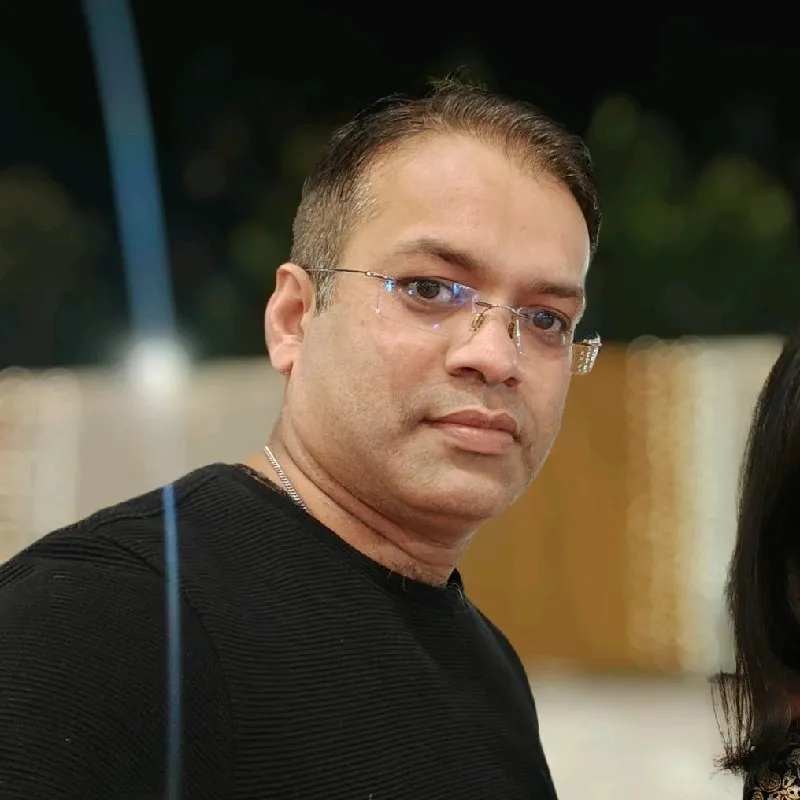
Rahul H. Saxena, Founder, Satvacart
Saxena said Satvacart's focus on profitability had meant that it did not build the scale needed to make those conversations attractive enough to move forward. "The past few months had become increasingly difficult," he said, adding that there came a point when continuing operations was affecting the people who had stayed with the company. He then decided to stop operations and move on.
An early bet on online grocery
Founded in 2014, Satvacart arrived well before quick commerce changed how Indians bought groceries online. The company started with milk subscriptions in Gurugram before moving to an inventory-led grocery model. It built its business around micro-clusters, with independent warehouses serving customers within a roughly five-kilometre radius.
In 2015, Satvacart raised seed funding from Palaash Ventures and angel investors. At the time, the company said it would use the money to expand operations, acquire customers, and build its technology team. Even then, Satvacart was taking a more measured approach to growth, with limited marketing while focusing on profitability. That approach became more pronounced as several online grocery startups ran into trouble. In his Linkedin post, Saxena said Satvacart had become one of the early online grocery companies to demonstrate profitability in the category by 2019.
A market transformed by quick commerce
Satvacart's 12-year journey also spans a dramatic change in India's online grocery market.
When it started, the category included players such as BigBasket, Grofers and PepperTap, alongside ecommerce companies testing different grocery delivery models. Satvacart was competing in a market where scheduled deliveries and hyperlocal grocery were still being worked out.
Today, the category is shaped largely by quick commerce, with Blinkit, Zepto, and Swiggy Instamart competing on delivery speed, store density and order volumes. Amazon and Flipkart have also moved deeper into quick commerce.
For Satvacart, the decision to prioritise profitability helped it stay in business through multiple shifts in the market. But it also meant the company remained relatively small at a time when scale became increasingly important to raising capital or finding a buyer.
Saxena said he had no regrets about the journey. Over 12 years, he said, building Satvacart involved everything from technology and operations to fundraising, marketing, supply chain and customer experience. "As this chapter closes, I look forward to the next one," he said.