



Indian deeptech investments reach $11.4B: Report
The IVCA Bharat DeepTech Report 2026 reveals record cumulative funding, highlighting a strategic shift towards scientific innovation and industrial segments despite a broader market slowdown in startup investments.

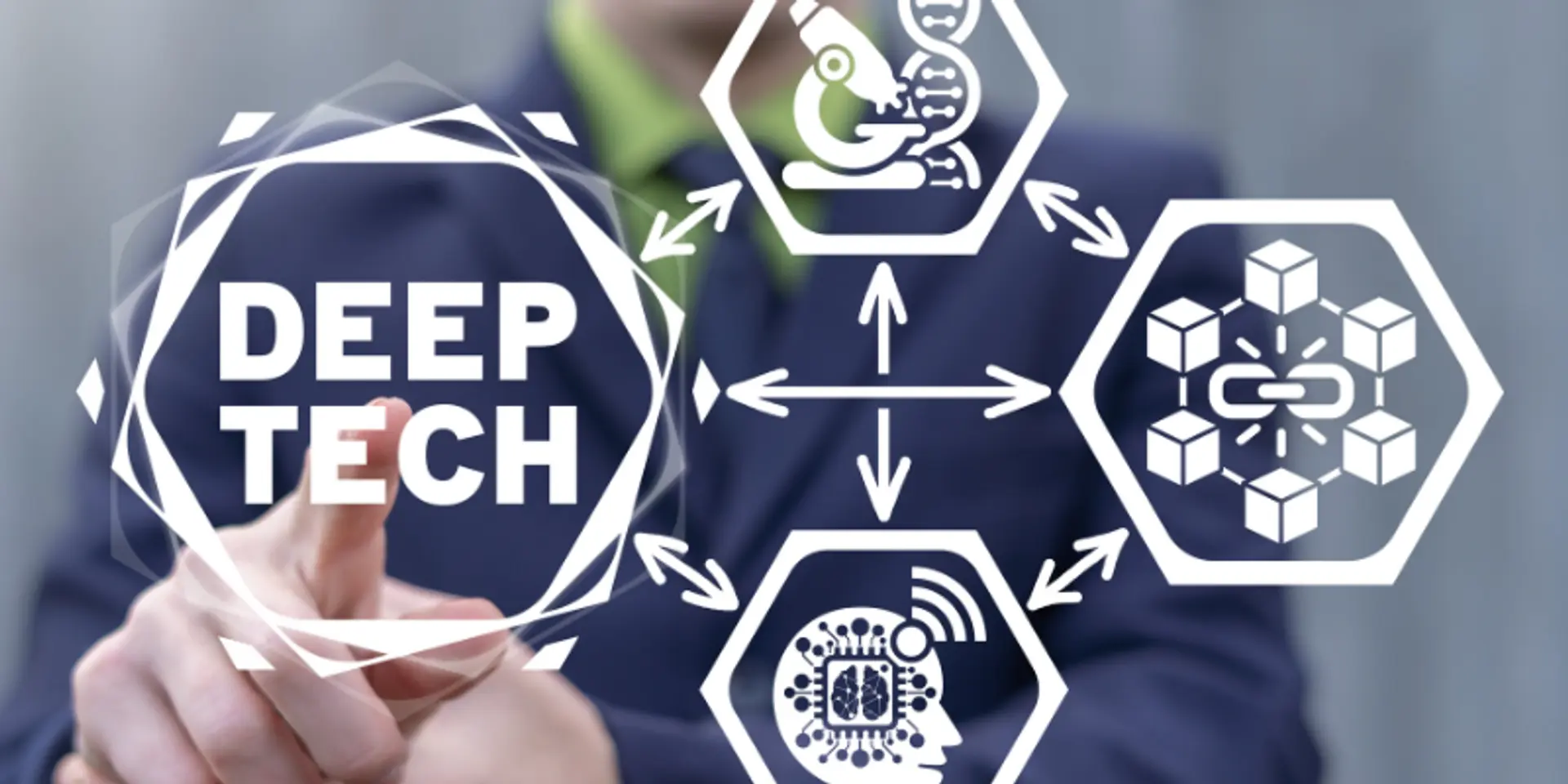

The deeptech sector has secured $11.4 billion in cumulative funding between 2015 and mid-2026, according to the Bharat DeepTech Report 2026, released by the Indian Venture and Alternate Capital Association (IVCA).
The year 2025 stood out as a landmark one with $2.96 billion raised across 189 deals, a figure that is particularly significant because it was achieved while the wider Indian startup ecosystem faced a major funding slowdown.
Historically, India relied on sovereign science from institutions like ISRO and the IIT network to build its foundational engineering talent. This evolved through a period of global IT services into a frontier inflection point where technologies like artificial intelligence (AI), semiconductors, and spacetech are now converging.
“India’s deeptech opportunity is moving from promise to more investible commitments, with an increasingly institutionalised ecosystem play. The growth in capital flowing into deeptech over the past decade reflects the confidence investors have in India’s scientific and technological capabilities,” Rajat Tandon, President of IVCA, said.
The landscape is diverse, but capital is concentrating in high-impact areas. AI and generative AI lead in total funding at $2.8 billion, followed by electric vehicles (EV) and battery technologies.
However, the report identifies semiconductors and spacetech as the fastest-growing segments, driven by strategic national priorities and new policy frameworks. Significant milestones have already been reached by companies such as Skyroot Aerospace, which launched India’s first private rocket, and Agnikul Cosmos, which flew a 3-D printed engine.
Despite the momentum, structural hurdles remain. The report highlights a “valley of death” where only 15% of surveyed funds are willing to back projects at the earliest Technology Readiness Levels (TRL) 1-3, which represent basic research and proof-of-concept stages.
Furthermore, a sharp drop in participation occurs between seed funding and Series B rounds, creating a growth-stage capital shortage known as the Series B/C gap.
Tandon noted that addressing the Series B/C funding gap, deepening domestic LP participation, improving exit pathways, and strengthening the policy and market ecosystem will be critical to building globally competitive deeptech companies from India.
Policy support is already scaling up through initiatives like the Rs 1 lakh crore Research, Development and Innovation (RDI) Fund and the India Semiconductor Mission.
Investors are calling for further reforms, including dedicated tax incentives and public procurement mandates to ensure a predictable demand pipeline.
As the exit landscape matures, exemplified by the $600 million in exits recorded in 2025, India is moving closer to realising its ambition of taking indigenous innovation from the lab to leadership.