



India's EV market to reach Rs 20 lakh Cr by 2030: Nitin Gadkari
India currently has 57 lakh electric vehicles registered and this represents 7% market penetration.

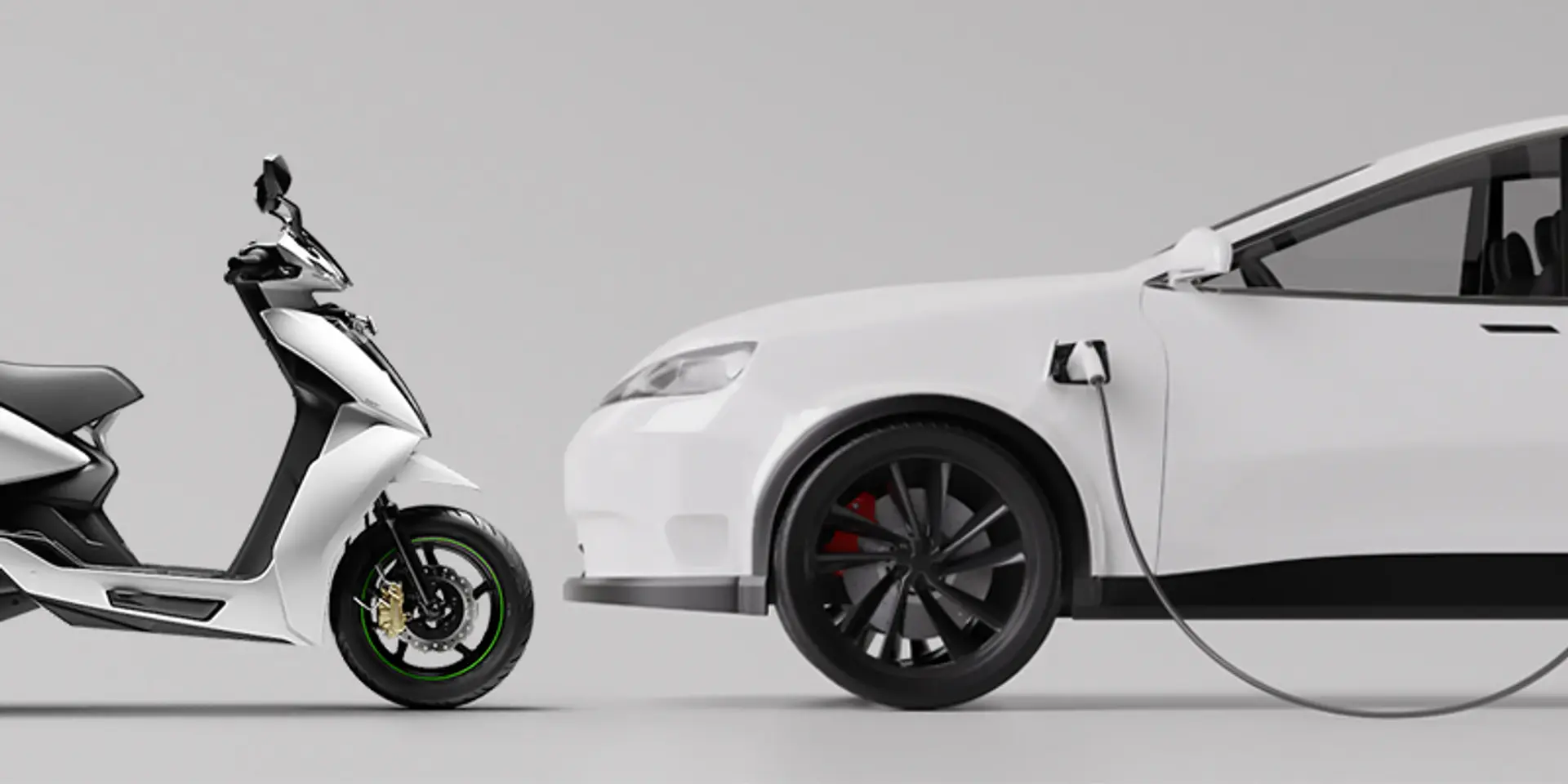

India's electric vehicle (EV) market is expected to grow to Rs 20 lakh crore by 2030, with the potential to create five crore jobs, Union Minister Nitin Gadkari said on Wednesday.
Addressing a summit organised by the CII-ITC Centre of Excellence for Sustainable Development, Gadkari said that currently 57 lakh electric vehicles are registered in India, with 7% market penetration.
"India's electric vehicle(EV) market will be worth Rs 20 lakh crore by 2030. It will also create five crore jobs by 2030," he said.
The road transport and highways minister highlighted that India's two largest two-wheeler vehicle manufacturers, Bajaj Auto and Hero MotoCorp, export more than 50% of vehicles they produce.
Gadkari said there is demand for one lakh electric buses annually in India, but 'we are able to manufacture only 50,000-60,000 EV buses annually’.
He said the government aims to make India’s automobile industry number one in the world within five years.
The future of the Indian automobile industry is very good as the country has trained manpower, Gadkari added.
“Within five years, our target is to make India’s automobile industry the number 1 in the world… it is difficult, but not impossible,” the road transport and highways minister said.
Gadkari pointed out that the quality of vehicles manufactured in India is good and the cost is less, so all top automobile companies are present in the country.
“When I took charge as transport minister, the size of the Indian automobile industry was Rs 14 lakh crore. The size of the Indian automobile industry is now Rs 22 lakh crore,” Gadkari said.
Presently, the size of the US automobile industry is Rs 78 lakh crore, followed by China (Rs 47 lakh crore) and India (Rs 23 lakh crore).
Gadkari noted that India is spending Rs 22 lakh crore on importing fossil fuels and because of the import of fossil fuels, “we are facing a problem of pollution”.
"We are making good highways...Good roads with alternatives, and bio-fuel is the future," the minister said.