



Namakkal to Bombay House: Journey of Tata Sons Chairman Chandra; What Milky Mist’s IPO reveals
Under N. Chandrasekaran, Tata doubled down on electronics, semiconductors, batteries and digital businesses. Meanwhile, Milky Mist's IPO tells us about the kind of dairy businesses that India’s markets are willing to back.

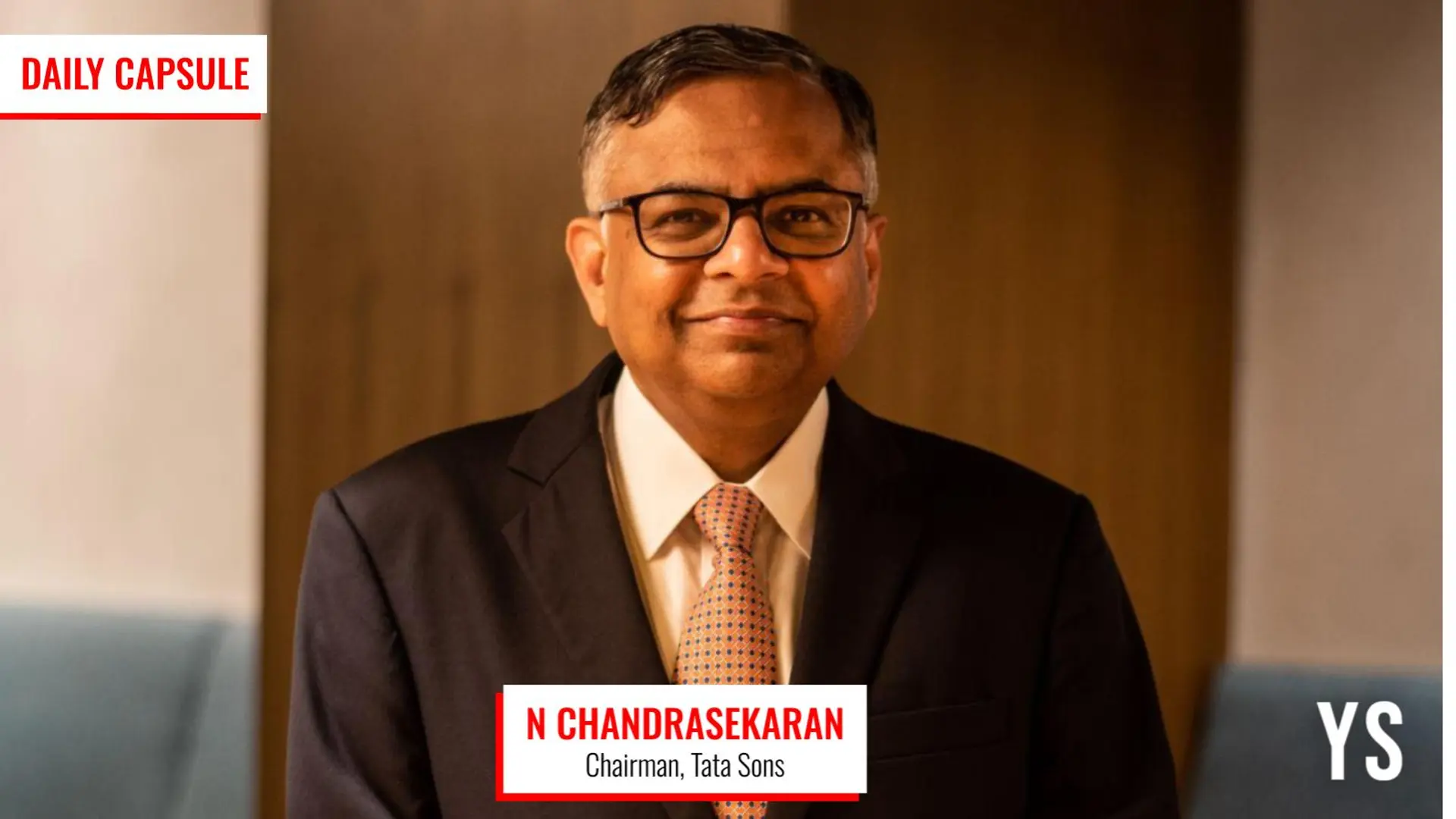

Dear Reader,
Tata Group investors got a jolt on Wednesday.
N. Chandrasekaran’s decision to not seek another term as Tata Sons chairman triggered a sharp slide across shares of Tata Group companies.
Chandrasekaran attributed his resignation to lack of unanimity among the board members of Tata Sons on the extension of his tenure. The development signals an inflection point for the Tata Group, which is pivoting to newer areas of investment to stay ahead of competition.
Chandra brought unusual stability to Bombay House and pushed the group into new bets spanning semiconductors, electronics and digital businesses. While his departure creates uncertainty, it could also give the group an opportunity to reset after a period of widening boardroom differences.
Meanwhile, in the world of startups, Yulu has raised $93 million in Series C funding—the company’s largest funding round till date. The EV mobility service startup plans to use the capital to quadruple its fleet to 2 lakh EVs and expand service hubs.
In other news, Ola Electric has secured a revised 5-year PLI window to get up to Rs 7,240 crore in cumulative incentives. The company is building a multi-chemistry cell platform spanning NMC (nickel manganese cobalt) and LFP (lithium iron phosphate) technologies. Also watch out for its energy product roadmap to be announced on Independence Day.
Here’s a personal question worth asking: is AI making us lonely? In The Most Interesting Thing in Tech, Nicholas Thompson, CEO of The Atlantic, explores how our growing relationship with AI could reshape human connection.
In today’s newsletter, we will talk about
- Namakkal to Bombay House: Journey of Tata Sons’ Chairman Chandra
- What Milky Mist’s IPO reveals
Here’s your trivia for today: What was Google’s modular smartphone project that aimed to let users swap out phone components, but was cancelled in 2016?
Profile
Namakkal to Bombay House: Journey of Tata Sons Chairman Chandra
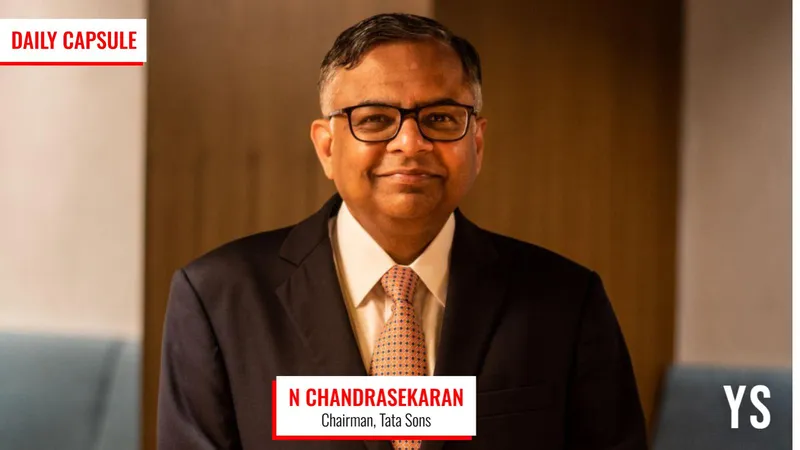
N Chandrasekaran’s decision to step down and not seek another term at Tata Sons brings one of the most consequential leadership tenures in recent Indian corporate history closer to an end. After taking charge in the aftermath of the bruising Cyrus Mistry episode, Chandra became an island of stability for the group. Under him, Tata doubled down on electronics, semiconductors, batteries and digital businesses while continuing to lean on TCS as its biggest profit engine.
But his final years have also been marked by mounting challenges: from the turnaround at Air India to widening differences within Tata’s governance structure. That makes the succession question about more than simply finding another chairman. The next leader will inherit a sprawling set of new bets and the task of restoring consensus at the top.
Key takeaways:
- Chandra’s biggest contribution may have been stability: first at TCS and then at Tata Sons, where he took charge after one of the group’s most turbulent leadership transitions.
- His tenure also pushed Tata into capital-intensive new businesses, including electronics and semiconductors, raising the stakes for the next chairman.
- The immediate question is whether his departure becomes a destabilising event or an opportunity for Tata to resolve internal differences and begin its next chapter with greater boardroom alignment.
Big picture
What Milky Mist’s IPO reveals
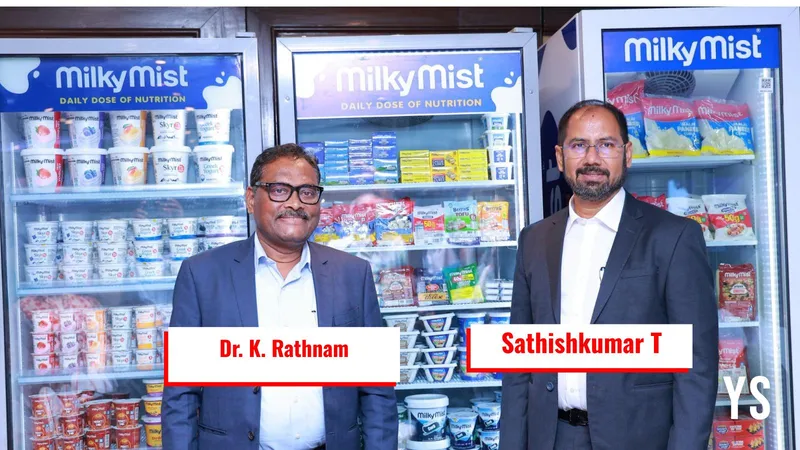
Milky Mist Dairy Foods’ Rs 1,553-crore IPO was fully subscribed on Wednesday, the second day of the three-day bidding, with strong demand from non-institutional and retail investors. The IPO will close for subscription on Thursday, August 13. It comprises a fresh issue of Rs 1,428 crore and an offer for sale of Rs 125 crore by existing shareholders.
What does Milky Mist’s IPO tell us about the company and its journey to the markets?
Beneath the froth:
- Founded in 1985 as a milk trading company, Milky Mist began paneer production years later and eventually launched the ‘Milky Mist’ brand in 1997.
- Over the years, Milky Mist has begun to look less like a traditional dairy company and more like an FMCG brand that happens to use milk as its raw material, while selling some of it in tetra packs.
- The company’s IPO tells us about the kind of dairy businesses that India’s markets are willing to back.
ICYMI: While you are here, also read the story in The CapTable on why Milky Mist’s IPO is less about milk, and more about value-added dairy.
News & updates
- Meta case: Meta Platforms will face a coalition of state attorneys general in a California federal court trial over claims it engineered Facebook and Instagram to be addictive to children, a case that could expose the company to massive damages and force it to make sweeping changes to its platforms, Reuters reports.
- Acquisition: Goldman Sachs will acquire ETF provider Neos Investments for $2.25 billion, as the investment bank looks to bolster its presence in asset management.
What was Google’s modular smartphone project that aimed to let users swap out phone components, but was cancelled in 2016?
Answer: Project Ara
We would love to hear from you! To let us know what you liked and disliked about our newsletter, please mail [email protected].
If you don’t already get this newsletter in your inbox, sign up here. For past editions of the YourStory Buzz, you can check our Daily Capsule page here.