



After losing his 42-store brand, Nagmani Roy empowered 1,700 Bihar women
After his 42-store fashion business shut during COVID, Nagmani Roy returned to Bihar and built Earthomadic, training 1,700 women and connecting rural crafts to markets.

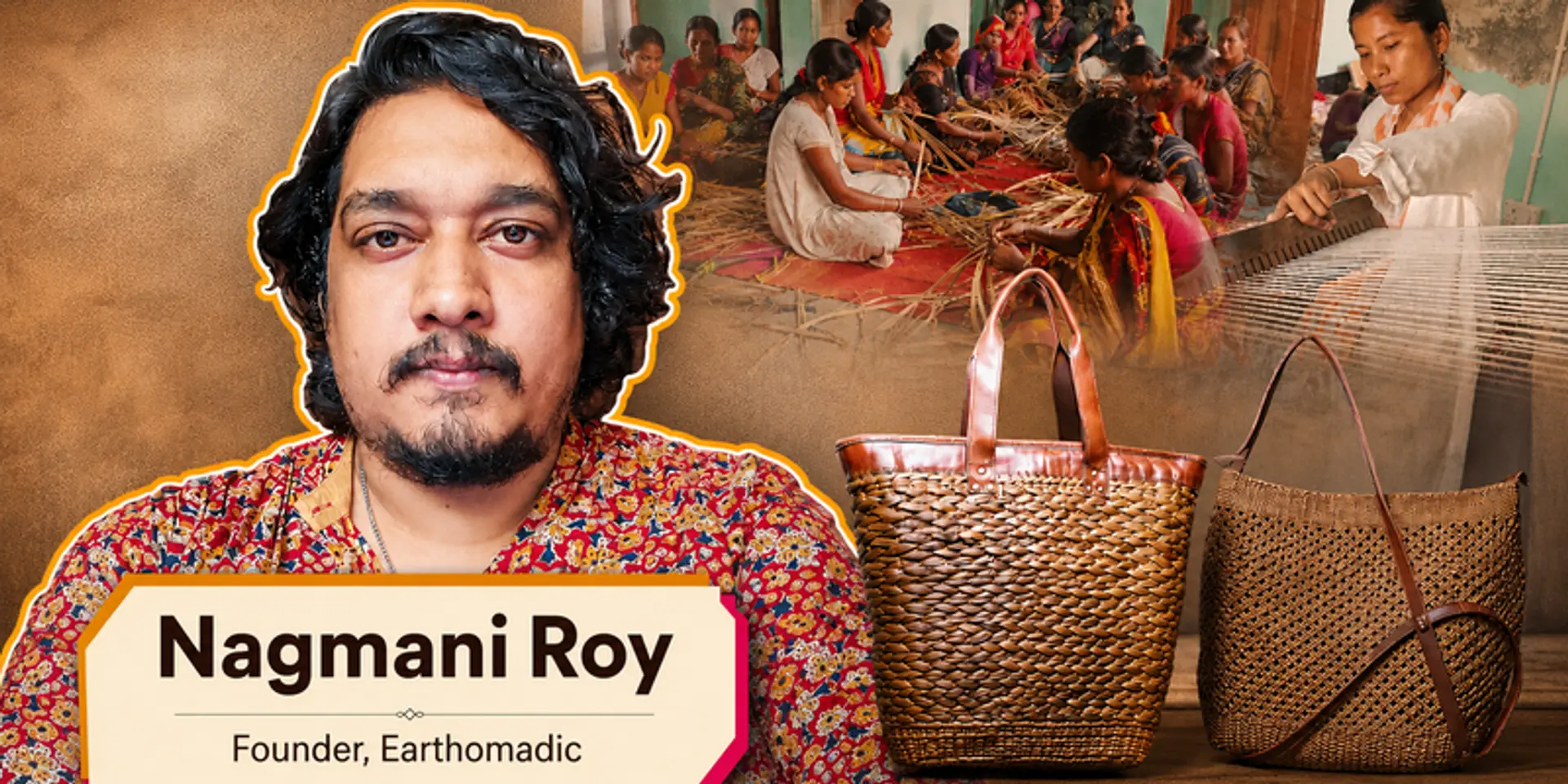

Coming out of a small village in Bihar to reach the National Institute of Fashion Technology (NIFT), Hyderabad, and then building a fashion brand with 42 stores across the country, is a big achievement in itself. But the real direction of Nagmani Roy's journey changed when his retail business shut down during the COVID-19 pandemic and he returned to Vaishali, his ancestral region.
In the village he saw that many women had traditional skills, but limited access to markets, design and regular income. This is where Earthomadic Foundation and Project Anuswaar began. The aim of these initiatives is to connect traditional crafts with the modern market and to create sustainable livelihood opportunities for rural women.
YourStory recently spoke with Nagmani Roy, founder of Earthomadic Foundation. He shared his journey, his shift from fashion retail to rural entrepreneurship, and his experience of connecting traditional artisans to the market.
From the village to NIFT
Nagmani spent his childhood in a lower middle class family in Bihar. For a long time the family's main source of income was his grandfather, who was a headmaster at a government middle school. Nagmani studied in government schools up to the intermediate level. Later his father started a business and the family's financial situation gradually improved.
After this he studied fashion design at NIFT Hyderabad and completed his graduation in 2009. Studying design gave him a perspective not just on clothing and fashion but also on customers, markets, production and business.
Nagmani Roy says, "My early life taught me that limited resources are not always a weakness. They teach a person to work hard, to make better use of what is available, and to recognise opportunities. NIFT gave this thinking a new shape."
When the fashion brand shut down, he returned to the village
After completing his studies in 2009, instead of taking a job, Nagmani chose the path of entrepreneurship. In 2010 he started Kazari, a women's clothing retail brand. In about 11 years the business grew to 42 stores.
During this period he came to understand many aspects of business closely, including product development, sourcing, manufacturing, team management, marketing and finance management.
Then COVID arrived. The retail business took a hit and eventually had to be shut down. Nagmani returned to Vaishali in Bihar. It was here that he got the chance to look at rural women's skills and their economic potential from a new perspective.
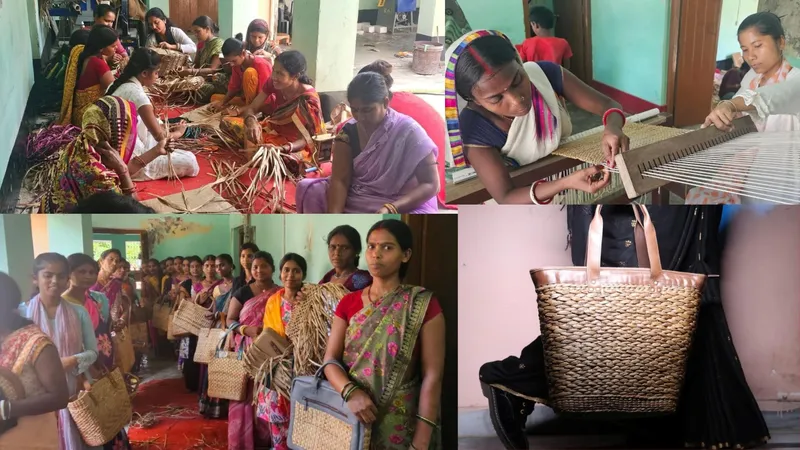
Nagmani says, "I saw that many women have skill, time and the will to work, but very few economic opportunities. In the beginning we started giving training in different crafts. Gradually we understood that training alone will not bring change. An understanding of design, product, quality and the market is just as necessary."
The effort to connect skill with the market
Work that began with bamboo later extended to crafts such as sikki, sujini, terracotta, appliqué, leather, crochet, jute and water hyacinth. Earthomadic was founded with this thinking.
The model does not focus only on providing training. Before starting work with a community, its existing capacity, raw materials and needs are studied. After that, work is done on skill development, design, product development, quality, production and market access.
Project Anuswaar is part of this same process. The goal is not just to produce a trained person, but to turn that person into an artisan who can earn continuously from their skill.
Nagmani says, "We want to take an artisan from skill to product, and from product to market. If a woman has learned a craft but the products she makes do not sell, then the impact of the training remains incomplete. For us, real change is when skill keeps converting into an income opportunity."
Livelihood from water hyacinth
Water hyacinth is one example of this. This fast spreading aquatic plant can become a problem for many water bodies. But by using it as a raw material, useful products can be made.
Water hyacinth based livelihood models are being encouraged in Bihar as well. Under the central government's RAMP (Raising and Accelerating MSME Performance) programme, the plan prepared for Bihar has flagged the potential to expand clusters linked to water hyacinth and banana fibre.
In April 2025, a skill development programme on water hyacinth craft was also launched at Lakhanpur in Begusarai. The aim of this initiative was to train women and turn an environmental problem into a livelihood opportunity.
For Nagmani, this model is important because it can bring together three things: local resources, traditional skill and the market.
1,700 women trained
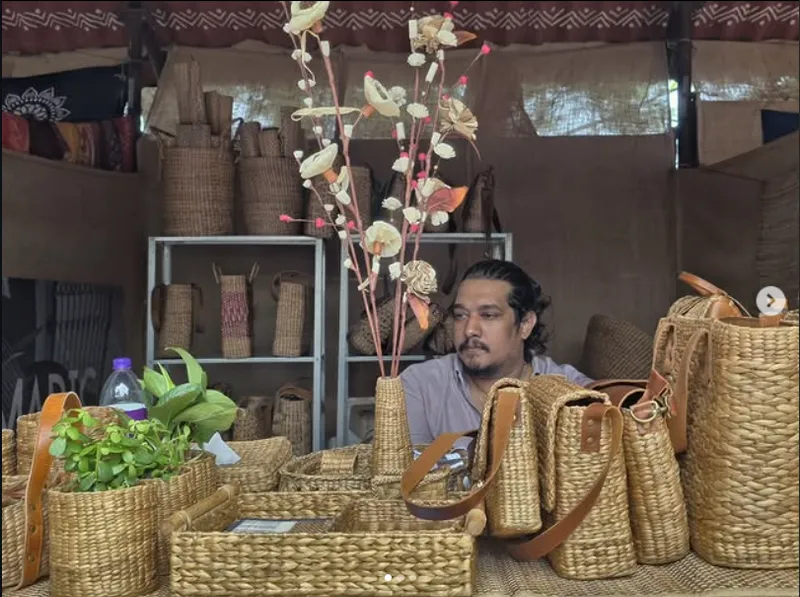
Around 1,700 rural women have been trained through Earthomadic so far. Of these, about 300 artisans are currently working actively through different clusters and groups.
The Satpura cluster in Vaishali has about 130 water hyacinth artisans. Around 30 sikki artisans are working in Rajapakar and around 30 leather artisans in Belsar. Crochet and jute clusters have also been developed in Kishanganj.
Nagmani says, "For us, impact does not mean simply stating how many people received training. The real question is how many of them are working continuously, how many have got an income opportunity, and how many are connected to the market. Our goal is not to increase the number of people who take training, but to increase the number of artisans who earn."
A definition of success that goes beyond business
Earthomadic Foundation did not start out like a traditional for profit startup. The early work moved forward through Nagmani's own business resources, project based opportunities, partnerships and business linked to women's groups.
Over the past four years, business worth around Rs 1.5 crore has been generated through product sales and training services via women led units such as Venu Shilpkala Kendra and Meiosis Impex.
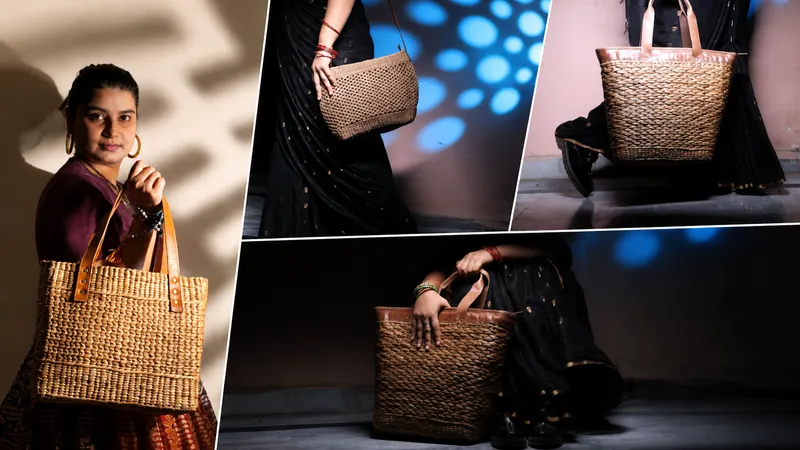
Now there is an effort to give these products an identity under the Earthomadic label. The objective is not only to increase sales, but to build a model in which the value generated by the business is put back into artisans, product development and market access.
Nagmani Roy's next goal is to take this model to a larger scale. Over the next three to five years he wants to expand work on natural and alternative fibres such as water hyacinth and banana fibre. Alongside that, there is a plan to combine traditional techniques with modern design in categories such as home products, fashion accessories, furniture and lighting.
Nagmani says, "Earlier I saw success in terms of the number of stores, sales and business growth. Today success means something different to me. If a woman earlier had no economic opportunity and now earns from her skill, that is success. If a traditional craft holds its place in a new market, that too is success."
Nagmani Roy's journey from fashion retail to rural livelihoods is interesting because two different forms of entrepreneurship are visible in it. Earlier he was making products for customers. Now he is trying to create markets for people who already have the skill to make products.
The road ahead for Earthomadic is still long. Making rural clusters sustainable, maintaining quality and reaching larger markets will not be easy. But Nagmani's story shows that entrepreneurship is not just about building a company. Sometimes it also means building systems in which another person's skill can find a path to earning.