



Next chapter of India's EV revolution: Why software and emerging tech will matter more than speed
EV vehicles continuously record location, charge level, distance travelled, battery activity and inactive period. However, collecting data without proper action has limited value.

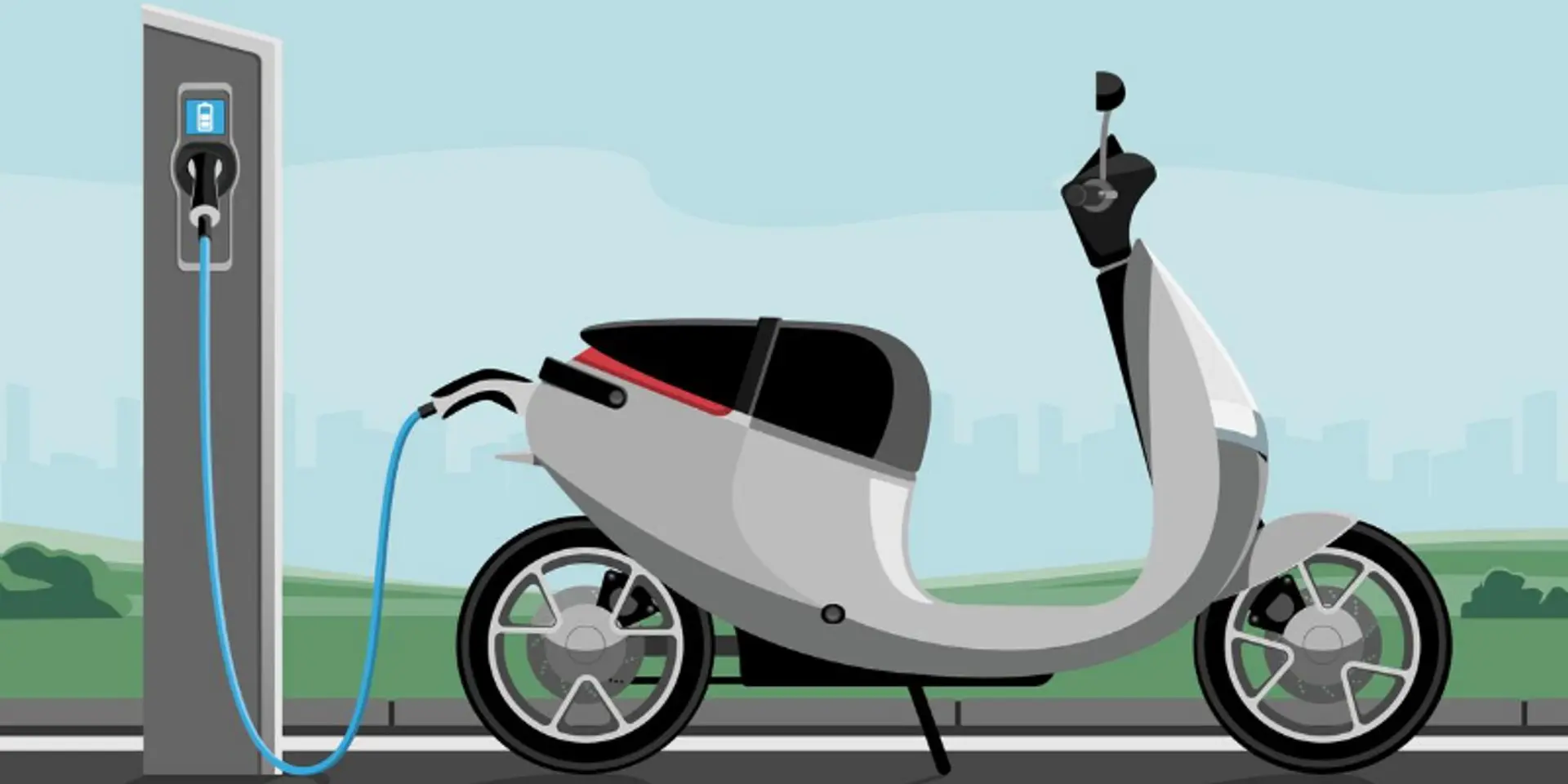

India is one of the world’s largest automobile markets and the customers turning towards EV two wheeler's is very promising. There is a sharp rise in the EV two wheeler's sector in India.
According to the EVreporter Intelligence, using Vahan Dashboard and Telangana Regional Transport data, recorded 25,50,865 EV sales in India during FY2025–26, a 25.02% annual increase. Electric two-wheeler's led with 14,72,029 units, representing 57.9% of total EV purchases and registering 22% volume growth.
An electric mobility operators’ day unfolds with questions like vehicles deployment, unreceived riders report, the stationary bikes, misuse of battery swaps, accumulation of unpaid dues and many more.
Normally the operators collect the information through phone calls, spreadsheets and physical checks at hubs. A proper analysis of these is a must as they determine the profit or loss of the fleet for that day.
As the adoption of EVs has accelerated, the operators have to manage thousands of vehicles, batteries, riders, payments and maintenance requirements without affecting the daily regular activity. At this juncture, an appropriate software will provide a disciplined lane for the evaluation.
Effective usage of EV data
An effective operational tool is very essential as the Markets and Markets estimates that the global EV fleet management market could rise from $9.10 billion in 2025 to $32.25 billion by 2030, recording a compound annual growth rate of 22.7%. So fleet tracking, geofencing, battery diagnostics, analytics and predictive maintenance are the utmost need of the sector.
EV vehicles continuously record location, charge level, distance travelled, battery activity and inactive period. However, collecting data without proper action has limited value.
At this point the EV fleet management companies need a tech solution that can indicate clearly on a daily basis the vehicles that need servicing, vehicles to be recovered, stationary vehicles and assigning the rider. GPS conducts virtual headcount; Geo-fencing identifies bikes at the hub and units operating outside an assigned area and also the stationary vehicles. It enables the recovery teams to locate the precise locations without manual assistance. This handy tool drastically changes the role of the fleet manager. Instead of searching across disconnected systems, the team receives a prioritised work list based on live operational signals.
Battery Swaps = Fleet Health
The International Energy Agency reported that India sold 1.3 million electric two-wheelers in 2024. Its Global EV Outlook 2025 also notes that removable batteries have encouraged the growth of swapping stations, particularly for taxis and delivery vehicles where rapid energy replenishment is valuable.
Monitoring battery performance will become increasingly important as demand rises. The Institute for Energy Economics and Financial Analysis states that India’s advanced chemistry cell requirement stood at 28 GWh in 2025, with EVs accounting for roughly 60%. Demand is projected to reach about 272 GWh by FY2030.
The frequency of battery-swapping reveals the bikes inclining or declining proficiency and also the validity of the riders report. A sudden drop may suggest a technical fault, riders’ absence, weaker demand in that zone or movement outside the network.
The information of the battery focuses on the usage-led maintenance also. A heavily operated bike may require attention sooner than another deployed on the same date. The servicing units can reduce unexpected breakdowns based on distance, energy consumption, swapping frequency and fault alerts.
The software immediately flags the adverse changes, allowing the team to investigate before it affects the revenue. Thus, a better digital oversight helps the operators to track battery condition, usage and replacement needs across the fleet.
Individual bikes net outcome
Fleet-wide revenue can conceal poor performing assets. The net income at the end of the month may seem to be encouraging in spite of consistent poor performance of some of the vehicles. In such a situation unit-level accounting is the solution wherein the rental income, rider payouts, repairs, fines, battery expenses, recovery charges and outstanding payments are all linked to the relevant bike and user. The operators can then analyse the day today income and expenditure of the individual bikes. It also cautions on the repeated repairs that indicates misuse or a recurring defect, falling income points out weak utilisation and accumulating dues signals immediate attention and action.
The same logic works for the collection i.e. Automated reminders, payment links, restrictions and escalation rules allow companies to apply a consistent process across hundreds or thousands of accounts. Staff can concentrate on complex cases instead of updating spreadsheets or repeatedly calling riders.
The administrative team needs to attend the traffic violations issues like the availability of government-system integration, digital tools to retrieve challans, identifying the penalized rider and settlement can be initiated through the app. This improves accountability and reduces the paperwork.
Software and empathy
Vehicles remain within a fleet, but riders frequently quit. Warning signs can appear through missed workdays, fewer swaps, reduced kilometers, payment disagreements or irregular app activity.
When these signals are analysed, the system can identify the riders who may stop working shortly. The response should not be automatic punishment but timely involvement of human support.
A conversation may uncover a damaged bike, an earnings concern, a family emergency or confusion over deductions.
Thus the technology works best when it helps teams respond with context. Poorly designed automation can intensify distrust; a thoughtful system can prevent avoidable departures and protect livelihoods.
India has a growing choice of capable electric bikes. The difficult task lies in building an operating system that notices small problems every morning, assigns responsibilities and prompts action before the accumulation of costs.
The next stage of the EV transition will be decided inside control rooms, mobile applications and data platforms. Speed may attract attention. Reliable decisions will keep commercial fleets moving rapidly.
The next stage of the EV transition will be the control rooms controlling the EV’s. Speed may attract attention but reliable, effective and timely decisions will make the commercial fleets sore.
Samarth Mengji, Director and Co-Founder, Futuristic Mobility
(Disclaimer: The views and opinions expressed in this article are those of the author and do not necessarily reflect the views of YourStory.)