



Techno Defence makes a ten-gram cooler that India previously had to import
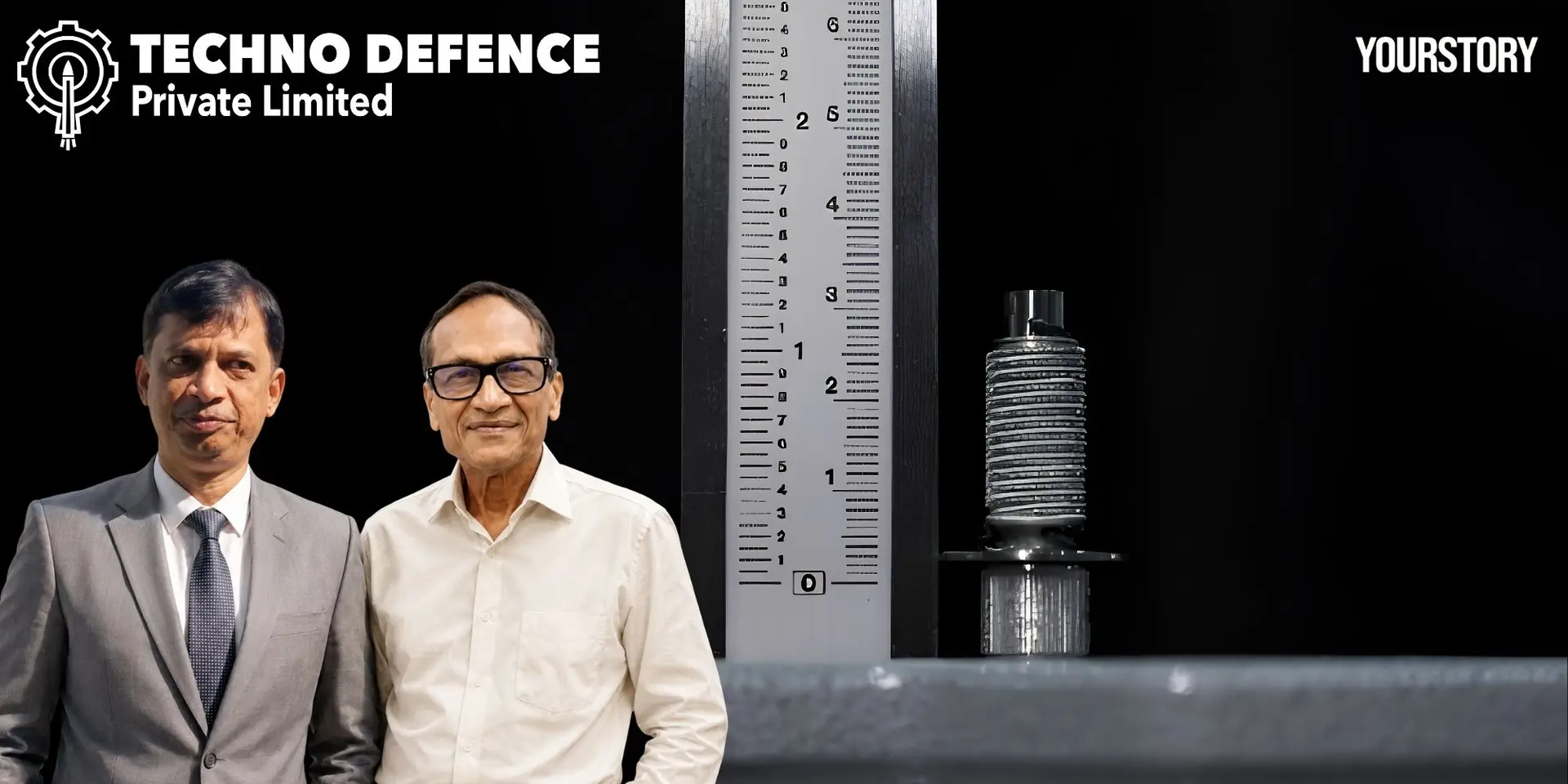
The Mumbai company has developed a miniature cryogenic cooler for infrared sensors, built with DRDO support and handed over for trials.


An infrared sensor has a problem: it works by detecting heat, and at room temperature the sensor generates enough of its own that the signal it is looking for disappears into the noise. Trying to pick out a distant heat source with a warm detector is like trying to see a candle while standing next to a bonfire.
The solution is to make the sensor very cold, around minus 196 degrees Celsius, at which point its own noise falls away, and the faint signal comes through. Doing that inside a device that has to be small, light, and work immediately on demand is a specialised engineering problem.
has built one. The startup is based in Mumbai with a design office and laboratory in Thane. The company has drawn visits from senior defence figures, including the DRDO chairman and the founder of BrahMos Aerospace. It has developed a miniature Joule-Thomson cooler, a device that chills by letting high-pressure gas expand through a restriction, which drops its temperature sharply.
Ten grams, and five years
The device weighs about ten grams. It is described as a dual-flow, self-regulating design, developed in collaboration with DRDO's Solid State Physics Laboratory in Delhi under the Technology Development Fund, the scheme through which the organisation backs Indian companies working on defence technologies.
The work began around 2017 or 2018 and was led by Dr Pravin Salinkar, an IIT Bombay alumnus and former DRDO laboratory director. Funding under the Technology Development Fund followed in 2020. The cooler was completed by 2023 or 2024 and was handed to DRDO for evaluation.
The trials have been reported as successful. Rather than building large-scale infrastructure, the company developed its own production techniques and equipment, and drew on small-scale and cottage industry for parts of the process. Assembly happens under microscopes, in clean conditions, to defence reliability standards, by a small team described as largely women.
Cooled infrared detectors are used in seekers, the part of a guided weapon that finds and tracks its target. Not every weapon needs one; systems that navigate by satellite don't. But for infrared-guided systems, the cooler is essential, and the technology has historically come from very few suppliers.

A component, and a supply chain
What matters here is less the device itself than what it replaces. A subsystem of this kind bought abroad comes with export licensing, delivery schedules set by someone else, and the possibility of supply being withdrawn.
It also changes the economics of the systems it goes into. A component available from a single foreign supplier is priced accordingly, and a domestic alternative resets that for every programme that uses one.
The achievement drew public attention when the industrialist Anand Mahindra highlighted it, noting the small size of the team and the length of time spent on a single hard problem.
Techno Defence describes its wider aim as advancing cryocooler technology and developing cost-effective seeker solutions, and says it works with young engineers on new designs. Its laboratory in Thane has been visited by senior defence figures, including the DRDO chairman and the founder of BrahMos Aerospace. What is not public is the commercial position. No order, contract value, production volume or revenue figure has been disclosed, and no funding beyond the Technology Development Fund support appears in any source.
(This story has been researched and compiled using publicly available information.)