



From lockdown feeding to saving 2,000+ animals: Varsha Raj’s story
Varsha Raj gave up a conventional career to protect Patna’s voiceless animals. Her APNA Foundation now provides rescue, treatment, vaccination, sterilisation, rehabilitation and adoption support.

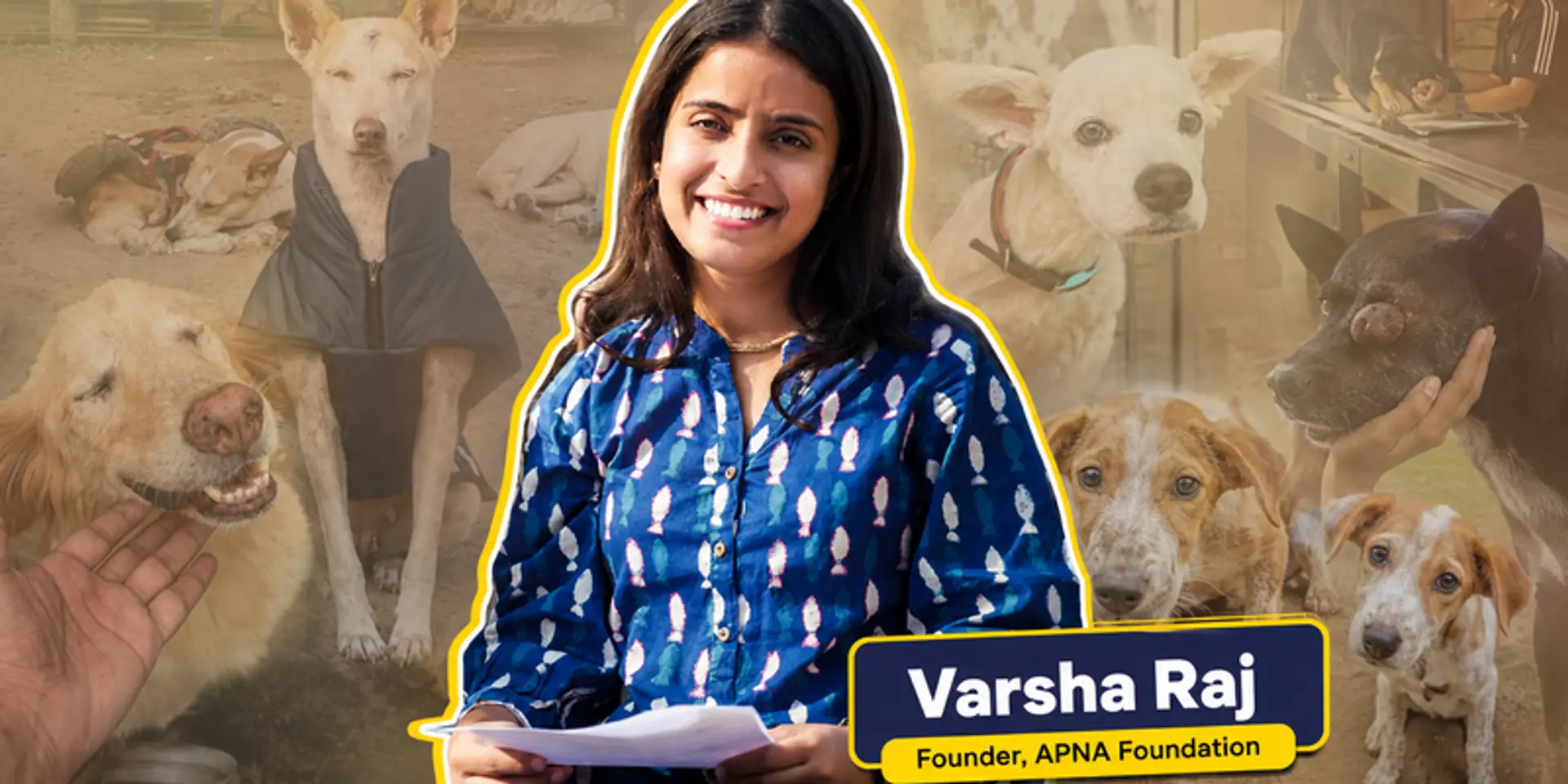

When silence had spread across the streets of Patna during the coronavirus lockdown, there was another silence that very few people noticed. Thousands of dogs and other animals living on the streets depended on humans for food every day. Shops were closed, people were inside their homes, and many voiceless creatures were suffering from hunger.
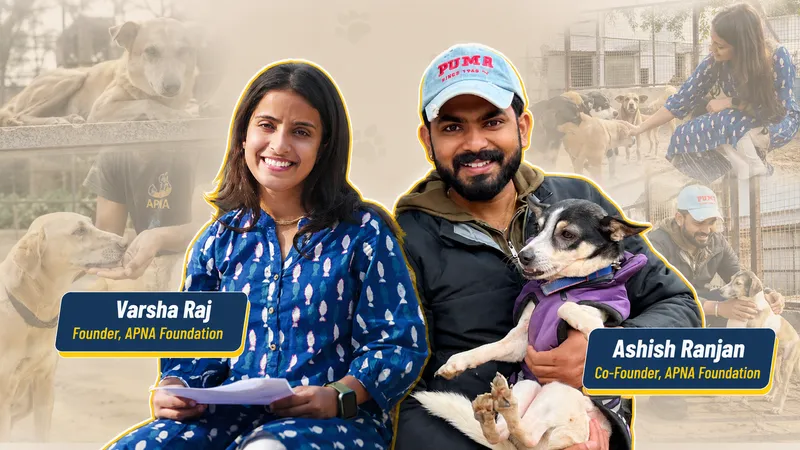
This was the moment when Varsha Raj decided that merely expressing sorrow would no longer be enough — something had to be done. From this resolve, the APNA Foundation began. Varsha Raj is the founder of this NGO, while Ashish Ranjan is associated with the APNA Foundation as co-founder. Today the organisation has rescued more than 2,000 animals and also runs Patna's first dedicated animal shelter home.
A deep bond with voiceless creatures since childhood
Varsha Raj had a deep affection for animals since childhood. Along with the household, her mother used to look after cows, birds, and small dogs living on the street. Grain was placed on the roof of the house for birds every day, and temporary shelters were made for small and newborn animals. As soon as she returned from school, Varsha would first go among those very animals.
Her father was a teacher. The family instilled in her the values of compassion and sensitivity. She studied at DAV Public School, completed her graduation in Zoology from AN College, and also received training in Indian classical music. The family wanted her to become a doctor or a singer, but her destination was different.
In a recent conversation with YourStory, Varsha says, "The most beautiful memories of my childhood are connected with animals. Perhaps that is where I understood that being human does not mean living only for oneself, but also standing up for those voiceless beings whose voice no one hears."
When a mission became bigger than a career
During the lockdown, Varsha and her companions began delivering food to street animals. Soon, calls also started coming in from people for the treatment of injured dogs and cows. Gradually, this campaign spread across the whole of Patna.
A time came when she had to choose one among her studies, career, and this mission. She did not abandon the voiceless. In the beginning, the family did not agree with this decision, but later they became her greatest strength.
Varsha explains, "We felt that if we stepped back, many lives would end. Every day, some eyes waited for us. That very day we decided that this would be our life."
In the early days, running the organisation was not easy. Team members would give tuition, hold small music programmes, and spend a large part of whatever they earned on the food, medicines, and treatment of the animals. Today the organisation is run mainly through individual donors and support received via social media, though gathering the monthly expenses for the shelter and medical care is still the biggest challenge.
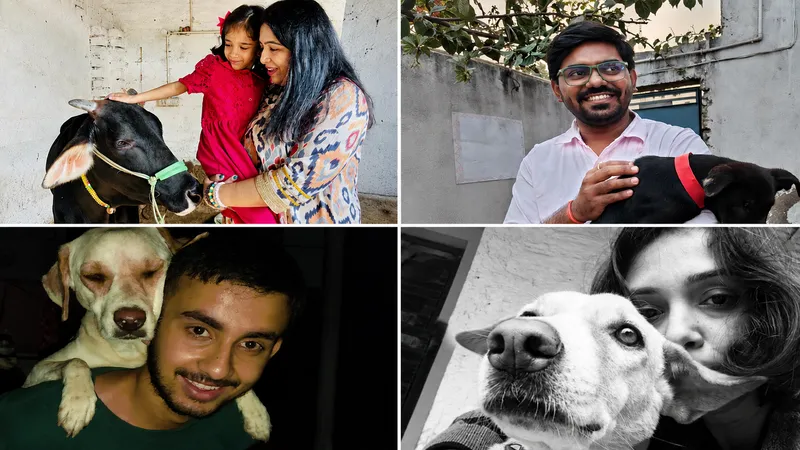
The APNA Foundation has so far successfully arranged the adoption of more than 500 animals.
A new life behind every rescue
Today the APNA Foundation has a three-member core team, while volunteers in different areas are also connected with it. The organisation's shelter houses 34 permanent dogs and one cow. In addition, more than 100 street dogs are fed every day.
As soon as information about an injured animal is received, the team reaches the spot. After treatment and care, the animal is nursed back to health. If possible, a new family is found for it; otherwise, it is safely released in the same area from where it was brought.
So far, the organisation has completed the rescue of more than 2,000 animals, the treatment of more than 1,000 animals, more than 800 sterilisations, more than 1,000 vaccinations, and more than 500 successful adoption processes.
Varsha says, "A rescue is not limited to just getting an animal to the hospital. The real responsibility is treatment, restoring trust, and giving a safe life. When an injured animal stands on its own feet again, or finds a new family, all the hard work feels worthwhile."
One such story is that of Himmat Singh (the dog's name). In a road accident, one of his legs had to be amputated, and a metal rod had to be placed in the other leg. After several surgeries, today he walks with the support of three legs. His gait may have changed, but not his courage to live.
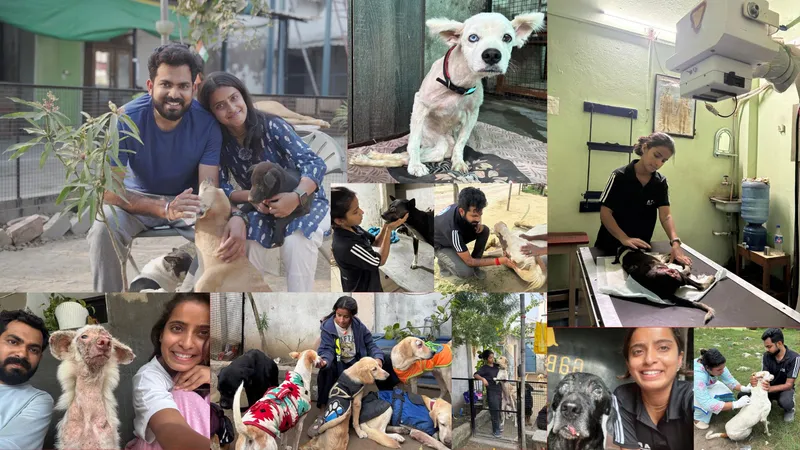
Under the leadership of Varsha Raj and Ashish Ranjan, the APNA Foundation has so far rescued more than 2,000 animals and also runs Patna's first dedicated animal shelter home.
The biggest challenge is changing mindsets
Varsha believes that the biggest problem is not one of financial resources, but of society's mindset. Even today, a large number of people see street animals merely as a nuisance. For this reason, the organisation runs awareness campaigns alongside rescues.
The organisation encourages people to adopt needy Indian-breed animals instead of buying expensive foreign-breed pets. Before an adoption, the family is verified, and regular contact is maintained afterwards as well.
Efforts are being made at the government level in this direction too. The Animal Welfare Board of India has issued detailed guidelines to promote the care, sterilisation, and vaccination of community animals and responsible coexistence. Their aim is to strike a balance between animal welfare and public health.
The dream ahead
Varsha Raj's dream is to establish a modern animal hospital and a large animal sanctuary, where all animals, big and small, can receive treatment, rehabilitation, and safe shelter.
She says, "If there is room in your heart for voiceless beings, do not be afraid to take the first step. The beginning will be small, difficulties will come, but change will surely become visible. In any noble task, the most important things are courage and patience."
Varsha Raj's story is not just the story of building an organisation. It is the story of a trust that cannot speak but can be felt. It reminds us that big changes do not always come from big resources. Often, they begin with a bowl of food, timely treatment, and one person's firm decision.