


Veranda Learning gets NCLT nod for commerce demerger
Veranda Learning’s commerce business has secured NCLT approval for demerger into J.K. Shah Commerce Education, with the unit set to pursue independent listing.


Edtech firm Veranda Learning has received approval from the Chennai Bench-I of the National Company Law Tribunal (NCLT) for a scheme that will separate its commerce education business into J.K. Shah Commerce Education Limited, which is intended to become an independently listed company.
The approval moves the transaction from planning into implementation, although the demerger still requires the prescribed regulatory filings and other steps, including the record date, share allotment and eventual listing.
The move matters because Veranda has built a broad education portfolio spanning test preparation, professional learning, and other segments. Separating the commerce business could give it a more focused operating structure while allowing the commerce arm to pursue its own investment and growth priorities.
Veranda describes this as part of its wider “Veranda 2.0” strategy, centred on independently managed education businesses with greater operational focus and agility.

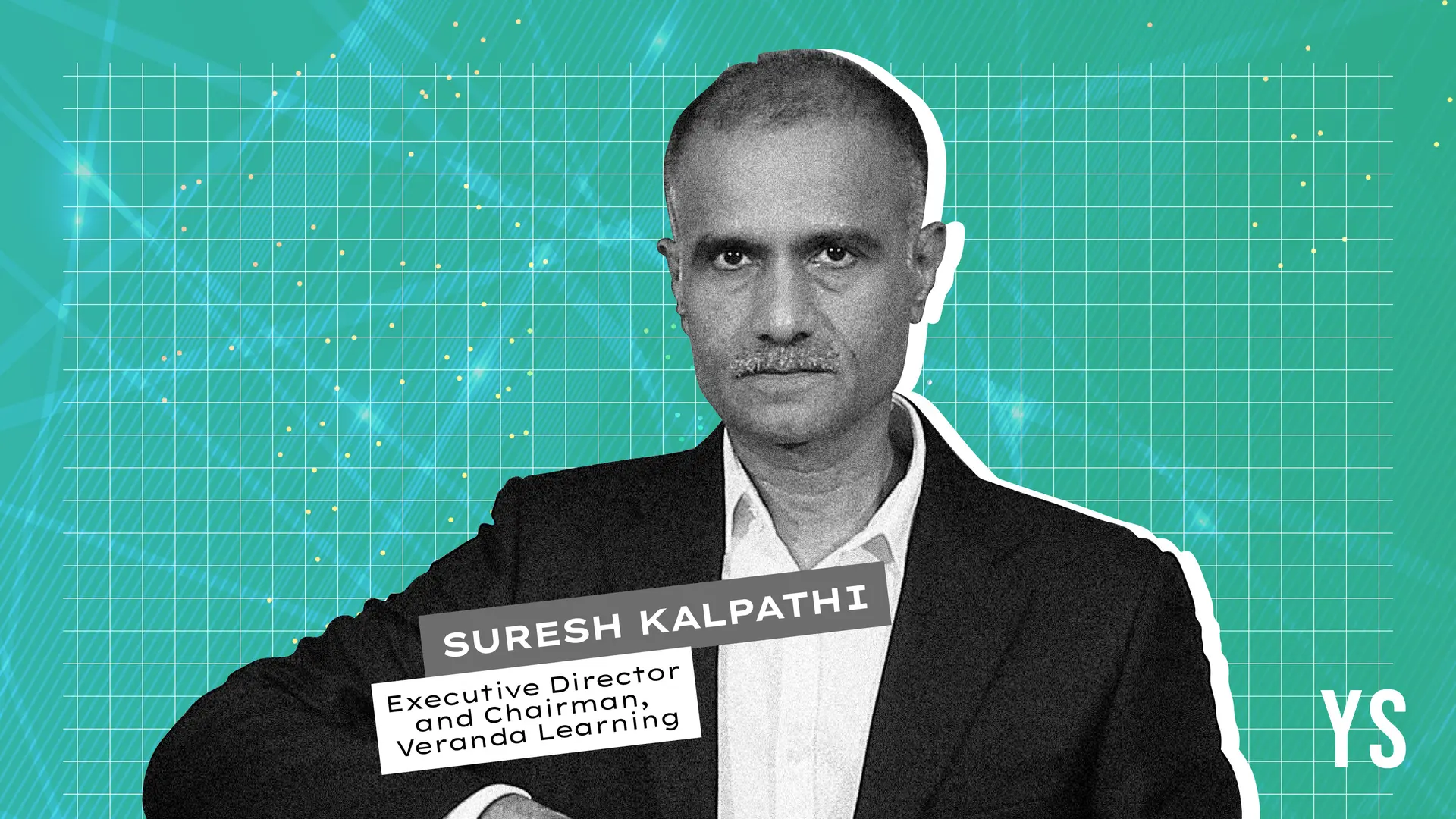
“The Commerce vertical has evolved into one of India’s strongest professional education platforms, and this demerger will enable it to pursue its next phase of growth as an independent company,” said Suresh Kalpathi, Executive Director and Chairman of Veranda Learning.
Once the scheme takes effect, J.K. Shah Commerce Education will bring together J.K. Shah Classes, BB Virtuals, Navkar Digital Institute, Tapasya College of Commerce and Logic School of Management. The business prepares students for professional qualifications including Chartered Accountancy, Company Secretary, Cost and Management Accountancy, ACCA and CPA through classroom, online and hybrid formats.
The commerce portfolio has also been assembled through expansion and acquisitions. Veranda acquired a controlling interest in J.K. Shah in 2022, eventually taking its holding to 76%, according to the company’s financial disclosures. Veranda has subsequently expanded the segment, including through the acquisition of online commerce education platform BB Virtuals in 2025.
The development comes as India’s education and coaching market is undergoing a more complicated shift. Digital learning remains important, but companies are reassessing the economics of running physical centres.
Physics Wallah has recently moderated its capital-intensive K-12 expansion in favour of a more asset-light approach, suggesting that scale alone is no longer the only consideration, with operating costs, capital allocation and the balance between online and physical learning becoming increasingly important.
Regulation is also becoming more significant. The Ministry of Education said in August 2026 that its 2024 guidelines for coaching centres cover registration, fees, infrastructure, student welfare, grievance mechanisms and transparency. Several states have since introduced their own rules or legislation, while the Central Consumer Protection Authority has issued guidelines targeting misleading advertising and unfair practices in coaching.
For professional education providers, the qualification landscape itself is changing. The Institute of Chartered Accountants of India introduced a new education and training scheme in 2023 and decided in 2025 to hold CA Final examinations three times a year, increasing the number of opportunities available to students. From January 2026, ICAI also made digital practical-training diaries mandatory for new articled trainees, highlighting a broader push towards technology-enabled oversight and training.
Earlier this month, the Chennai-based company reported a strong start to the 2027 fiscal year. Revenue from operations reached Rs 150 crore, a 42% increase from the year-ago period. The company achieved its sixth consecutive quarter of profits, with profit after tax surging 5.7x to Rs 34 crore.